Food safety
Can Dogs Eat Peanuts? Yes, if Plain, Unsalted and Shelled
Yes, dogs can eat peanuts, but only plain, unsalted, shelled ones, and only a few at a time. Peanuts are legumes rather than true tree nuts and are not toxic to dogs. The risks come from what is added to them, from the high fat content, and from the shells. Peanut butter needs one extra check: some brands contain xylitol, which is dangerous to dogs. Here is how to share peanuts safely.
By Matt GarnettUpdated November 13, 20264 min read3 sources
Why plain peanuts are fine for dogs
Dry-roasted or raw peanuts with no salt or seasoning are the only kind the AKC considers safe, in moderation. They carry protein and healthy fats, and many dogs love the taste. Peanuts are not related to macadamia nuts, which are toxic to dogs, even though both sit side by side in a mixed-nut jar.
The catch is fat. Peanuts are calorie-dense, and a rich, fatty snack eaten in quantity can upset a dog's stomach and is linked to pancreatitis. A few peanuts is a treat; a cupful is a problem. They should never become a daily habit.
Peanuts to keep away from your dog
Skip salted, honey-roasted, spicy, smoked and seasoned peanuts. Salt in large amounts makes dogs very thirsty and can cause serious illness, and many seasonings contain garlic or onion powder. Chocolate-covered peanuts and candy bars with peanuts add chocolate, which is toxic to dogs.
Remove the shells too. They are fibrous, hard to digest and a choking hazard for small breeds. Be most careful with trail mix and mixed nuts, which can hide macadamia nuts, raisins or chocolate. If your dog ate any of those, call your vet, ASPCA Animal Poison Control at (888) 426-4435 or Pet Poison Helpline at (855) 764-7661; a fee may apply.
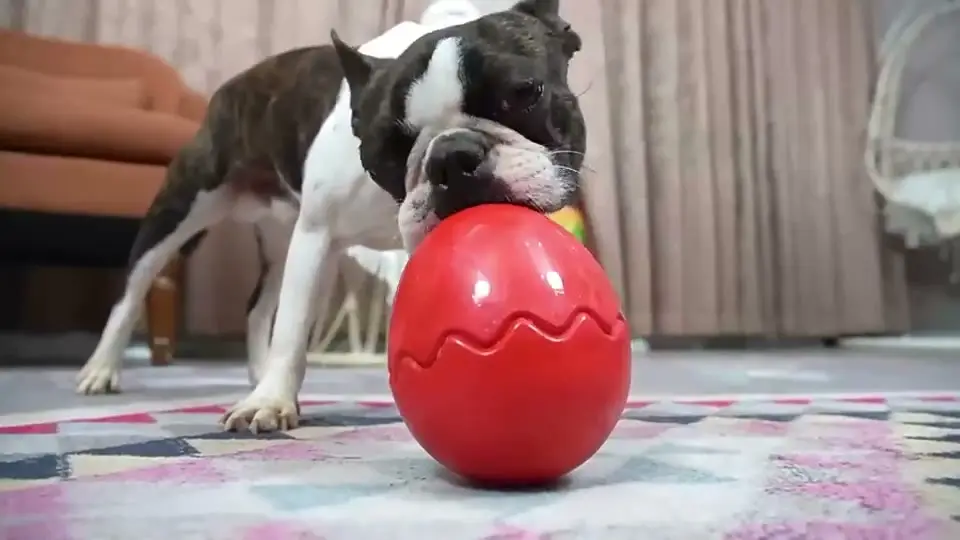
If you like to share small snacks, a lick mat or a treat ball makes a little go further and slows a fast eater down.
Peanut butter and xylitol
Plain peanut butter is a popular way to fill a chew toy or hide a pill, and it is fine in small amounts if the jar contains only peanuts, or peanuts and a little salt. Some brands, often sold as sugar-free, low-sugar or high-protein, use xylitol, a sweetener the ASPCA warns can cause a sudden drop in blood sugar and liver damage in dogs.
Read the ingredients every time you buy a new brand, since recipes change. Xylitol is sometimes listed as birch sugar. If your dog eats peanut butter or any food containing xylitol, treat it as an emergency and call your vet or one of the poison control lines immediately.
How many peanuts by dog weight
Keep peanuts well inside the 10 percent treat allowance. A dog under 20 lb can have one or two plain peanuts, a dog of 20 to 50 lb three or four, and a dog over 50 lb about five or six. For peanut butter, a quarter teaspoon is plenty for a small dog and a teaspoon for a large one.
Offer them occasionally rather than every day, as the AKC advises. Dogs that are overweight, have had pancreatitis or are on a low-fat prescription diet should skip peanuts unless their vet says otherwise.
Puppies and peanuts
Puppies can try a plain peanut piece once they are on solid food, but whole peanuts are a choking risk for small mouths. Crush or chop them, or use a thin smear of xylitol-free peanut butter inside a puppy chew toy instead.
Start with a tiny amount and watch for loose stool. A puppy's calorie budget is small and needs to go mostly to its complete puppy food, so peanut treats should stay occasional and small.
Signs peanuts disagreed with your dog
Eating too many peanuts usually causes vomiting, diarrhea or gas within a few hours. Salted nuts can also cause heavy thirst and urination. A dog with a rare peanut allergy may develop itchy skin, hives or facial swelling.
Call your vet the same day for repeated vomiting, a painful or hunched belly, refusal to eat, or lethargy after a big fatty snack. Facial swelling, trouble breathing, tremors or wobbliness need emergency care now.
This page is general information, not veterinary advice, and it cannot replace an examination by the vet who knows your pet.
Common questions
Can dogs eat salted peanuts?
It is best not to. Salted peanuts carry far more sodium than a dog needs, and a large amount can make a dog very sick. One or two that fall on the floor are unlikely to matter, but do not share them on purpose.
Can dogs eat peanut shells?
No. Shells are fibrous and hard to digest, and they can be a choking or blockage risk, especially for small dogs. Shell peanuts before sharing, and keep bowls of shells out of reach at ballgames and cookouts.
Can dogs eat honey roasted peanuts?
No. Honey-roasted peanuts are coated in sugar and salt, and some flavored nuts carry other seasonings. Stick to plain, unsalted, dry-roasted or raw peanuts if you share any at all.
Is peanut butter safe for dogs?
Plain peanut butter without xylitol is safe in small amounts. Check the label for xylitol, sometimes called birch sugar, every time you buy a jar. If your dog ate a xylitol peanut butter, call your vet or poison control immediately.
Can dogs eat peanut butter cookies?
It is better not to share them. Cookies add sugar, butter and sometimes chocolate chips or xylitol, and offer nothing a plain peanut does not. A dog-specific peanut butter treat is the safer choice.
Sources we checked
This guide is general information, not veterinary advice. If your pet is unwell or injured, contact your veterinarian.