Food safety
Can Dogs Eat Peanut Butter Cookies? Not Safely
No, peanut butter cookies are not a safe treat for dogs, and some can poison them: sugar-free ones may contain xylitol, and chocolate chips or raisins can cause serious harm. If your dog ate one, check the ingredients and call your vet, ASPCA Animal Poison Control at (888) 426-4435 or Pet Poison Helpline at (855) 764-7661 right away (a fee may apply). A plain spoonful of xylitol-free peanut butter is the safer way to share the flavor.
By Matt GarnettUpdated November 14, 20264 min read2 sources
Warning: the ingredients that can poison a dog
Xylitol is the most urgent. Pet Poison Helpline says it absorbs rapidly into the bloodstream and causes a dangerous drop in blood sugar, with signs including vomiting, lack of coordination, lethargy, tremors and seizures, and high amounts can cause liver failure. The AKC says to treat suspected xylitol ingestion as urgent and contact an emergency vet or Pet Poison Helpline right away.
Chocolate contains theobromine and caffeine, which dogs process far more slowly than people. Dark and baking chocolate are the most dangerous, and white chocolate is unsafe too. Raisins, and the related Zante currants, can cause acute kidney injury in dogs, and it is hard to predict which dogs will be affected, so the AKC says to contact a vet promptly even if your dog seems fine. Macadamia nuts, also found in some cookies, can cause weakness, tremors and trouble walking within about 12 hours, according to the AKC.
What to do if your dog ate a peanut butter cookie
Take the cookie packaging or write down the recipe and work out what your dog ate and roughly when. Call your vet, an emergency vet, ASPCA Animal Poison Control at (888) 426-4435 or Pet Poison Helpline at (855) 764-7661 straight away. A consultation fee may apply, but having the ingredient list ready makes the call quicker.
Do not wait for symptoms and do not try to make your dog vomit at home unless a professional tells you to. The AKC says raisin effects can take several hours to show, so a dog that seems normal can still need treatment. Your vet will decide whether your dog needs to be seen and what treatment is appropriate.
Signs to watch for and when to see a vet
Signs depend on the ingredient. After xylitol, watch for vomiting, wobbliness, weakness, tremors or seizures. After chocolate, look for restlessness, increased thirst, an abnormal heart rate, tremors or seizures. After raisins, watch for vomiting and lethargy. Signs of stomach upset from sugar alone are usually mild, such as a soft stool or a single vomit.
Any seizure, collapse or repeated vomiting is an emergency, so go to the nearest emergency vet. If the cookie was plain and your dog only ate a small piece, call your vet anyway for guidance, since you may not know what the recipe contained.
Puppies, small dogs and dogs with health conditions
Small dogs and puppies have less body weight, so a given amount of a toxic ingredient matters more. Dogs with diabetes, pancreatitis or a sensitive stomach should avoid sugary, fatty foods like cookies altogether, and your vet can tell you which treats suit them.
If you bake at home, never use xylitol, chocolate or raisins where a dog can reach the counter. Keep cookie jars, gift tins and party platters on high shelves, because dogs can chew through packaging and a single stolen tin of cookies can contain several risky ingredients.
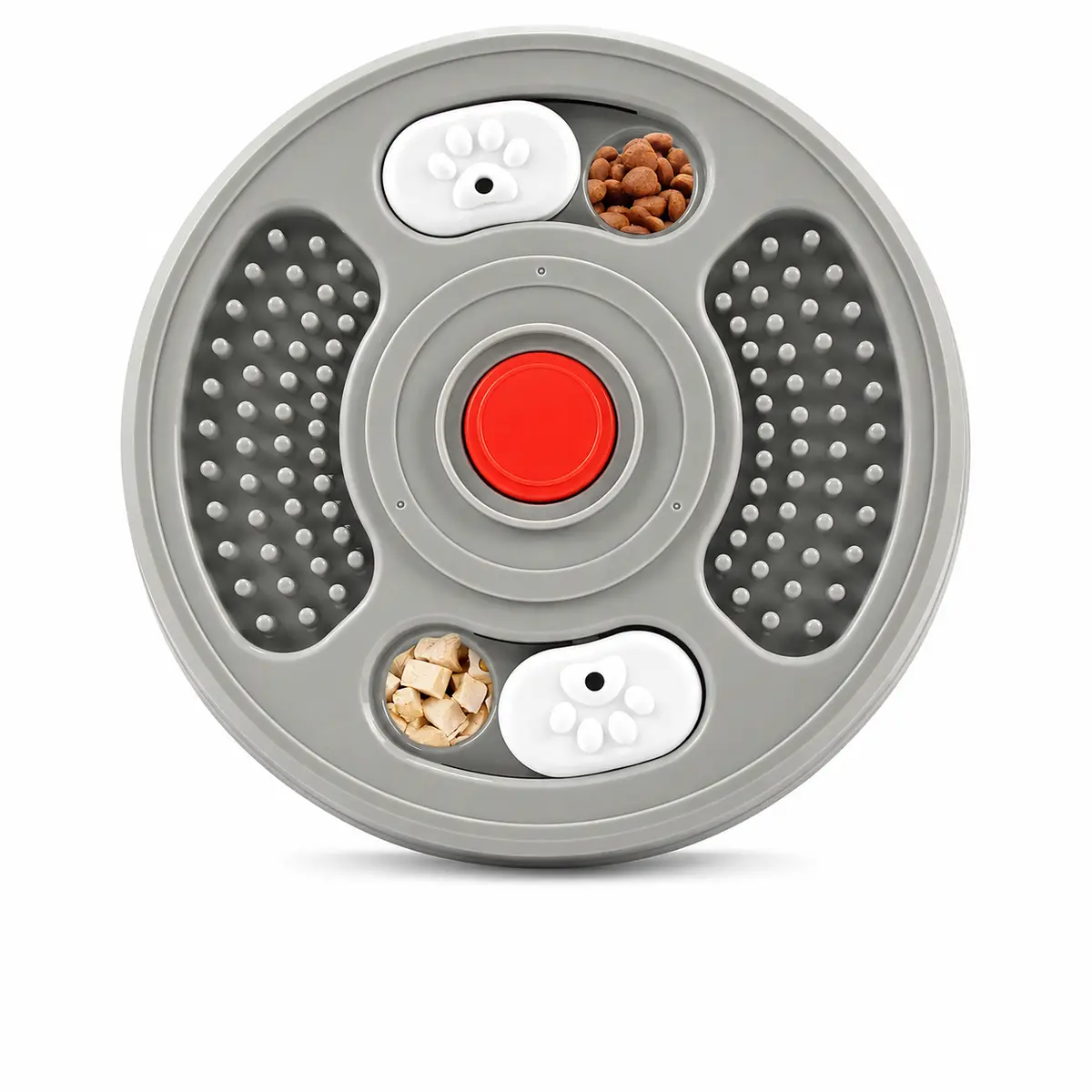
If you want a peanut butter treat, a small smear of plain, xylitol-free peanut butter inside a treat ball or on a lick mat gives the flavor without the cookie.
What to give instead
The AKC says a small amount of natural peanut butter, about a teaspoon or less, can be an occasional treat as long as it contains no xylitol. Check the label every time, because formulas change.
A little plain peanut butter spread thinly on a lick mat takes longer to eat and keeps a dog busy. Another option is a dog-specific treat made for your dog's size, chosen with your vet's guidance for any health conditions. Read the label, and keep treats to a small part of the day's food.
This page is general information, not veterinary advice, and it cannot replace an examination by the vet who knows your pet.
Common questions
Are peanut butter cookies bad for dogs?
Yes, they are not a safe treat. They are high in sugar and fat, and some contain xylitol, chocolate chips, raisins or macadamia nuts, which can be dangerous. Skip them and give plain xylitol-free peanut butter.
What if my dog ate a peanut butter cookie with chocolate chips?
Call your vet, ASPCA Animal Poison Control at (888) 426-4435 or Pet Poison Helpline at (855) 764-7661 right away, a fee may apply. Have the packaging or recipe ready, since the amount and type of chocolate matter.
Can dogs eat sugar-free peanut butter cookies?
No. Sugar-free baked goods can contain xylitol, which the AKC calls highly toxic to dogs. If your dog ate one, treat it as urgent and contact an emergency vet or Pet Poison Helpline immediately.
Can dogs eat homemade peanut butter cookies?
Only if every ingredient is dog-safe, which is hard to guarantee. Avoid xylitol, chocolate, raisins and macadamia nuts, and check your vet's advice on treats if your dog has a health condition.
Is plain peanut butter safe for dogs?
The AKC says plain peanut butter can be an occasional treat, in small amounts of about a teaspoon or less, if it contains no xylitol. Always read the label first, because ingredients can change.
Sources we checked
This guide is general information, not veterinary advice. If your pet is unwell or injured, contact your veterinarian.