Food safety
Can Dogs Eat Peanut Butter? Yes, If It Has No Xylitol
Yes, dogs can eat plain peanut butter in small amounts, but any jar sweetened with xylitol can poison a dog quickly, so check the label every time. Regular, unsalted peanut butter is not toxic and makes a good occasional reward or pill disguise. If your dog ate a peanut butter or nut butter that contains xylitol, call your vet now, or ASPCA Animal Poison Control at (888) 426-4435 or Pet Poison Helpline at (855) 764-7661. A consultation fee may apply.
By Matt GarnettUpdated November 13, 20264 min read2 sources
Why plain peanut butter is safe for dogs
Peanuts are legumes, and plain peanut butter is ground peanuts with a little salt and sometimes oil or sugar. None of those are toxic to dogs in treat-sized amounts. The AKC says peanut butter is fine in moderation, and most dogs find it irresistible, which is why it is a favorite filler for food puzzles.
It is also very calorie-dense. A level tablespoon is around 90 to 100 calories, which is a third of a 10 lb dog's daily needs. That, not toxicity, is why plain peanut butter needs portion control.
The xylitol warning
Xylitol is a sugar substitute found in some sugar-free and reduced-sugar peanut butters and nut butters, as well as gum, candy and baked goods. The AKC says it can cause dangerously low blood sugar in dogs, and Pet Poison Helpline warns this can begin within 10 to 15 minutes; larger amounts can cause acute liver failure.
Read the ingredient list on every jar, including brands you have bought before, because recipes change. Look for xylitol, birch sugar or sugar alcohols. Most standard grocery peanut butters do not contain it, but specialty, keto and protein spreads are where it tends to turn up.
Choosing a jar for your dog
The AKC recommends unsalted peanut butter, a peanut butter made for dogs, or homemade, because high sodium is not good for dogs. The best label reads peanuts and nothing else, or peanuts and a little salt. Creamy and crunchy are both fine for medium and large dogs.
Avoid chocolate peanut butter spreads, honey-roasted or flavored versions, and peanut butter cups and cookies, which may add chocolate, sugar or xylitol. Peanut butter crackers and sandwiches add salt and bread that a dog does not need.
How much peanut butter by dog weight
Follow the 10 percent rule the AKC suggests: treats make up no more than 10 percent of the daily diet. In practice for healthy adult dogs: under 20 lb, half a teaspoon; 20–50 lb, one teaspoon; over 50 lb, up to a tablespoon. That is per day at most, not per training session.
Spread it thinly on a lick mat or inside a rubber toy and freeze it, and that small amount lasts much longer. Cut back the dog's regular food on days you use more, and skip it for dogs who are overweight.
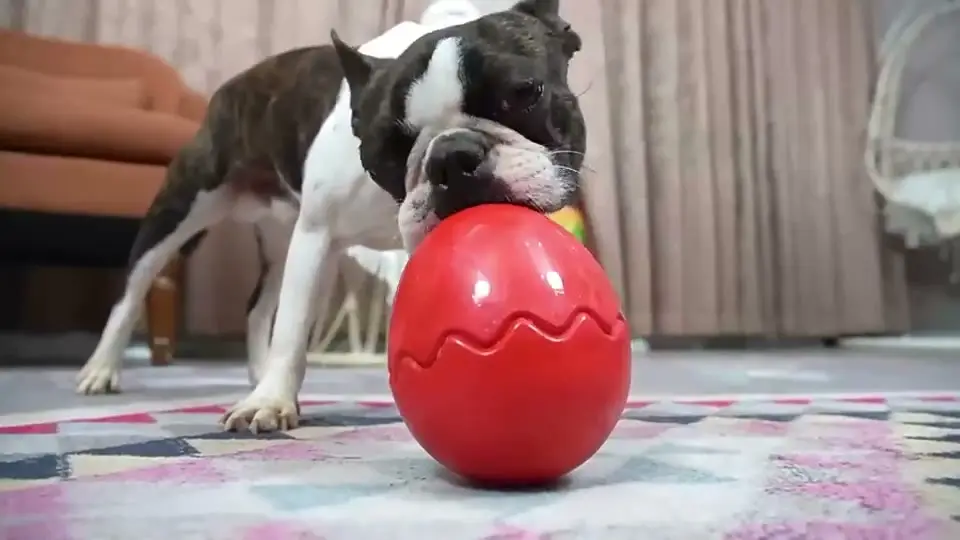
If you like to share small snacks, a lick mat or a treat ball makes a little go further and slows a fast eater down.
Puppies and dogs with health conditions
Puppies can have a tiny smear of plain, xylitol-free peanut butter once they are on solid food, and a thin layer in a chew toy can help with teething boredom. Keep amounts very small; a puppy's daily calories are better spent on complete puppy food.
The AKC advises asking your vet first if your dog has diabetes or food sensitivities. Dogs with a history of pancreatitis or on a low-fat diet should usually avoid it, because peanut butter is roughly half fat. Peanut allergies are uncommon in dogs, but itching or stomach upset after eating it is worth mentioning to your vet.
Signs of trouble, and when to call a vet
After a xylitol exposure, signs can start within an hour: vomiting, weakness, wobbliness, trembling, collapse or seizures. Go to a vet or emergency clinic right away, even if your dog seems fine at first, because liver damage can follow one to three days later.
After a big helping of plain peanut butter, for example a dog that raided an open jar, watch for vomiting, diarrhea or a sore belly over the next day. Call your vet if your dog is hunched, repeatedly vomiting, very tired or refusing food, since a large fatty meal can trigger more serious stomach trouble.
Safe ways to use peanut butter, and alternatives
Use a dab to hide a pill only if your vet confirms the medicine can be given with food, and to fill a puzzle toy for a dog left home alone. For a lower-calorie alternative, try plain canned pumpkin or plain nonfat Greek yogurt spread thinly on a lick mat.
This page is general information, not veterinary advice, and it cannot replace an examination by the vet who knows your pet.
Common questions
Which peanut butter brands are safe for dogs?
Any plain peanut butter whose ingredient list contains no xylitol, birch sugar or other sugar alcohols. Unsalted jars with just peanuts are best. Recheck the label each time you buy, because recipes change.
Can dogs eat peanut butter every day?
A small daily amount is fine for most healthy dogs if it fits inside the 10% treat budget. Because it is very high in calories, daily use in large amounts can lead to weight gain.
Can dogs eat crunchy peanut butter?
Yes, for most dogs. Small dogs and puppies do better with creamy, since nut pieces are a minor choking risk. Make sure crunchy jars are xylitol-free and preferably unsalted.
Can I use peanut butter in a Kong?
Yes. A thin layer of plain, xylitol-free peanut butter inside a rubber toy, frozen overnight, keeps many dogs busy. Count it toward the day's treats and cut back other snacks.
Can dogs eat other nut butters?
Plain almond and cashew butters are not toxic but are rich and costly. Avoid macadamia nut butter, which is toxic to dogs, and any nut butter with xylitol or chocolate.
Sources we checked
This guide is general information, not veterinary advice. If your pet is unwell or injured, contact your veterinarian.