Food safety
Can Dogs Eat Pasta? Yes, Plain and Cooked, but No Sauce
Yes, in moderation: plain cooked pasta is safe for most dogs. Noodles are just wheat flour, water and sometimes egg, and a few plain pieces will not hurt a healthy dog. Pasta is mostly empty calories, though, and the way people eat it is the real problem. Tomato sauce, Alfredo, pesto and meat sauces are usually made with garlic and onion, which damage dogs' red blood cells. Share plain noodles only, and only a few.
By Matt GarnettUpdated November 13, 20264 min read3 sources
Why plain pasta is safe but not useful
Plain pasta is cooked wheat flour and water, with egg in some fresh and egg noodles. None of that is toxic to dogs. It is a refined carbohydrate, though, so it adds calories without much protein, vitamins or minerals, and a dog that eats a lot of it is more likely to gain weight than to gain anything else.
That means pasta is an occasional, plain extra at most. Whole-wheat and legume-based pastas have a little more fiber and protein but are still treats, and gluten-free pasta made from rice or corn is fine plain too.
Sauces, garlic, onion and other warnings
Most pasta sauces contain garlic and onion. The AKC explains these damage red blood cells and can cause anemia, that cooked, fried and powdered forms are all harmful, and that garlic powder and onion powder are more concentrated than fresh. The ASPCA notes cats are even more susceptible than dogs.
Alfredo and cheese sauces are high in fat and dairy, which the ASPCA notes can cause diarrhea. Pesto is garlic and pine nuts in oil. Meatballs, sausage and garlic bread add fat, salt and more garlic. If your dog ate pasta with sauce, call your vet or ASPCA Animal Poison Control at (888) 426-4435; a consultation fee may apply.
Uncooked pasta and raw dough
Dry, uncooked pasta is hard and sharp-edged and can cause choking, stomach upset or, in a large amount, a blockage. A dog that has eaten a box of dry spaghetti or macaroni should be watched closely, and a small dog that ate a lot should be checked by a vet.
Raw yeast dough used for pizza or bread is a separate emergency. The ASPCA warns it can rise in the stomach, causing painful bloating, and produce alcohol as it ferments. Fresh pasta dough without yeast does not rise, but raw egg dough is still best kept away from dogs.
How to serve pasta, and how much
Cook it in plain water with no salt or oil, rinse it, let it cool and cut long noodles into short pieces so a dog cannot swallow a long strand whole. Mix a few pieces into the usual food rather than serving a bowl of it.
Tufts University's Petfoodology team suggests keeping extras to about 10% of daily calories, noting a 10 lb dog needs about 300 calories a day. A cup of cooked pasta is around 200 calories. For healthy adult dogs: under 20 lb, two or three pieces of penne; 20–50 lb, a tablespoon or two; over 50 lb, up to a quarter cup.
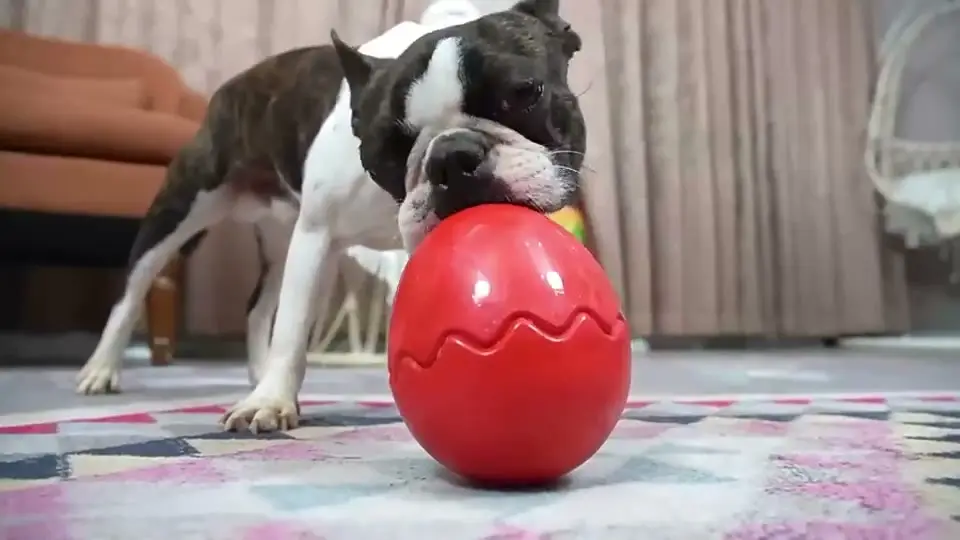
If you like to share small snacks, a lick mat or a treat ball makes a little go further and slows a fast eater down.
Puppies and dogs with health conditions
Puppies can have a piece or two of soft, plain cooked pasta once they are on solid food, but their calories are better spent on a complete puppy food built for growth. Cut it small, and never let a puppy at a plate of sauced leftovers.
Dogs with a diagnosed wheat or grain allergy should skip wheat pasta. Overweight dogs, diabetic dogs and dogs on prescription diets should only have pasta if their vet agrees, because it is a calorie-dense starch that can work against those plans.
Signs it disagreed with them, and when to call a vet
Too much plain pasta can cause vomiting, gas or diarrhea within a few hours to a day, which should settle with water and the normal diet. Call your vet if vomiting or diarrhea lasts more than 24 hours, if there is blood, or if your dog is lethargic or will not eat.
After pasta with garlic or onion sauce, early signs can include vomiting, drooling and stomach pain, but anemia often shows one to five days later as weakness, pale gums, fast breathing or reddish urine. Call your vet as soon as you know what was eaten. After a fatty, cheesy meal, a hunched, painful belly or repeated vomiting needs a vet the same day.
Better swaps for sharing
If your dog begs at dinner, set aside a few plain noodles before the sauce goes on, or offer a spoonful of plain cooked rice, plain cooked chicken or steamed green beans instead. A frozen food puzzle keeps a dog busy while the family eats. Ask your vet before changing what a dog on a prescription diet eats.
This page is general information, not veterinary advice, and it cannot replace an examination by the vet who knows your pet.
Common questions
Can dogs eat spaghetti with tomato sauce?
No. Most tomato sauces contain garlic and onion, which can damage a dog's red blood cells. Plain noodles are fine in small amounts, but rinse off or skip anything with sauce.
Can dogs eat mac and cheese?
It is best not to. Mac and cheese is high in fat, salt and dairy, and some recipes add garlic or onion powder. A stolen bite is unlikely to harm a healthy dog, but watch for stomach upset.
Can dogs eat uncooked pasta?
Not on purpose. Dry pasta is hard to digest, can choke a dog and, in large amounts, can cause a blockage. If your dog ate a lot, watch for vomiting and call your vet.
Can dogs eat egg noodles?
Yes, plain cooked egg noodles are fine in small amounts. Avoid noodles from soups or casseroles cooked with onion, garlic or salty broth, and cut long noodles short.
Is pasta good for dogs with an upset stomach?
Plain white rice is the more usual choice for a short bland diet. Ask your vet what to feed during a stomach upset, especially if vomiting or diarrhea lasts more than a day.
Sources we checked
This guide is general information, not veterinary advice. If your pet is unwell or injured, contact your veterinarian.