Food safety
Can Dogs Eat Onions? No — Onions Are Toxic to Dogs
No, dogs should never eat onions: they are toxic in every form and can poison a dog by destroying its red blood cells. If your dog has eaten onion, call your vet, ASPCA Animal Poison Control at (888) 426-4435 or Pet Poison Helpline at (855) 764-7661 now; a consultation fee may apply. Signs can take days to appear, so do not wait to see whether your dog seems unwell.
By Matt GarnettUpdated November 13, 20264 min read3 sources
Why onions are toxic to dogs
Onions contain sulfur compounds, chiefly N-propyl disulfide, that damage the membranes of a dog's red blood cells. The damaged cells break apart faster than the body can replace them, which leads to a form of anemia in which the blood carries less oxygen. The AKC and the ASPCA both list onions among the foods dogs must not eat.
Cooking does not destroy these compounds, and drying concentrates them. That is why onion powder and dehydrated onion are a bigger concern than a sliver of raw onion. The same family of plants, the alliums, includes garlic, chives, leeks and shallots, and all of them carry the same risk.
Every form of onion is dangerous
Raw, sauteed, caramelized, fried, pickled and powdered onion are all unsafe. The trouble is that onion hides in a lot of everyday food: burgers and meatloaf, gravy and stock, pizza, salsa, soups, Thanksgiving stuffing, onion rings, seasoning blends, and some jarred baby foods that owners use to tempt a sick dog.
Read labels before sharing anything savory, and look for onion powder, dehydrated onion and garlic powder in the ingredients. Keep onion skins and scraps in a lidded trash can, and clear plates promptly at cookouts and holiday meals, when most onion exposures happen.
Why there is no safe amount of onion
There is no amount of onion that is safe to feed on purpose. Damage depends on how much a dog eats relative to its body weight, so a small dog under 20 lb reaches a dangerous level far sooner than a dog over 50 lb, and a single large meal of onion-rich leftovers can be enough.
Small amounts eaten repeatedly also add up. A dog that gets a little onion-seasoned food every day can develop anemia over time without any single meal seeming significant. For that reason, treat onion as something your dog never eats, not something to ration.
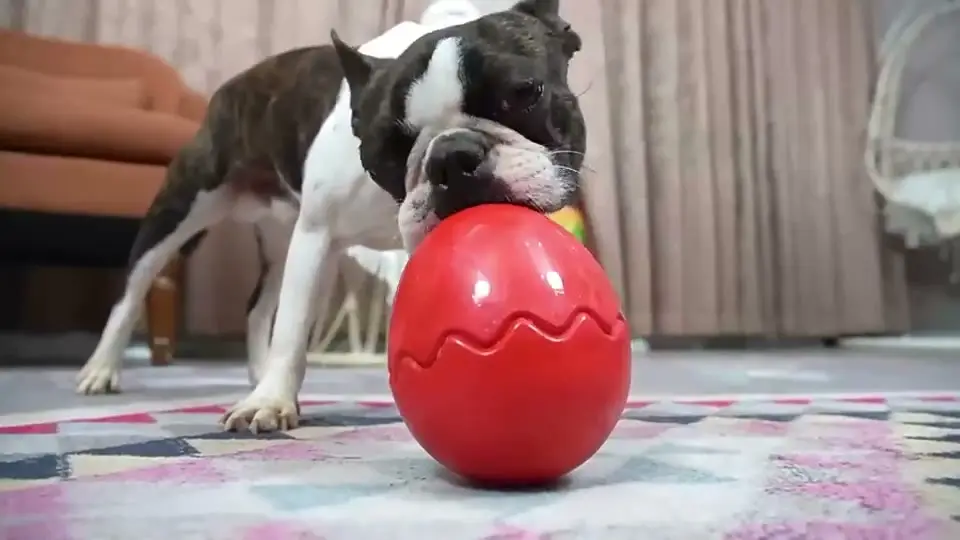
If you like to share small snacks, a lick mat or a treat ball makes a little go further and slows a fast eater down.
What to do if your dog ate onion
Call your vet, ASPCA Animal Poison Control at (888) 426-4435 or Pet Poison Helpline at (855) 764-7661 straight away, even if your dog seems completely normal; a fee may apply for the poison lines. Have ready your dog's weight, what was eaten, roughly how much, and when.
Do not make your dog vomit unless a vet tells you to, because doing it wrongly can cause other harm. Depending on the amount and timing, your vet may induce vomiting at the clinic, give activated charcoal, and check your dog's blood over the following days. Severe cases can need hospital care and, occasionally, a blood transfusion.
Signs of onion poisoning and their timing
Early signs can include drooling, nausea, vomiting, diarrhea and belly pain within a day. The more serious signs of anemia are often delayed by one to several days, which is why a dog can seem fine after eating onion and then go downhill later in the week.
Watch for weakness, tiredness, reluctance to walk, pale or yellowish gums, fast breathing or panting at rest, a rapid heartbeat, collapse, and red or brown urine. Any of those means your dog needs to be seen today, even if you are not sure it ate onion.
Puppies, small dogs and safe swaps
Puppies and small breeds face the greatest risk simply because a little onion goes a long way in a small body. Keep them out of the kitchen while you cook, and never give them table scraps from seasoned dishes.
If you want to share vegetables, plain options such as green beans, carrots, cucumber and plain cooked pumpkin are safe in small, bite-size pieces. Set your dog's portion aside before any onion, garlic or seasoning goes into the pan.
This page is general information, not veterinary advice, and it cannot replace an examination by the vet who knows your pet.
Common questions
Can dogs eat cooked onions?
No. Cooking does not remove the compounds that damage red blood cells, so cooked, fried and caramelized onions are just as unsafe as raw. Call your vet or a poison control line if your dog ate a meaningful amount.
Can dogs eat food cooked with onion powder?
No. Onion powder is concentrated, so even seasoned foods such as gravy, burgers and chips can carry a real dose. Check labels before sharing savory foods, and call your vet if your dog ate a dish heavy in onion powder.
How long after eating onion will a dog get sick?
Stomach upset can start within a day, but signs of anemia such as weakness, pale gums and red urine often appear one to several days later. That delay is why you should call for advice right away rather than wait for symptoms.
Can dogs eat green onions or scallions?
No. Green onions, scallions and chives belong to the same allium family and are toxic to dogs in the same way. Keep them off your dog's plate, including as garnish on leftovers.
Will a small piece of onion hurt my dog?
A tiny accidental piece is less likely to cause serious harm in a large dog, but there is no amount that is known to be safe, and small dogs are at greater risk. Call your vet or a poison control line for advice based on your dog's weight.
Sources we checked
This guide is general information, not veterinary advice. If your pet is unwell or injured, contact your veterinarian.