Food safety
Can Dogs Eat Nutmeg? Myristicin Poisoning Concerns
No, do not offer nutmeg to a dog because it contains the toxin myristicin and can cause poisoning. Pet Poison Helpline distinguishes a concentrated spice exposure from the small amount normally used in a recipe, which is unlikely to cause serious nutmeg toxicity. That distinction does not make nutmeg a recommended treat or establish a safe serving. After an exposure, identify the form, recipe, and other ingredients and seek individual veterinary advice.
By Matt GarnettUpdated November 13, 20264 min read4 sources
The concern is myristicin, rather than the word natural
Pet Poison Helpline identifies myristicin as nutmeg’s toxic compound. Significant exposure can produce disorientation, an increased heart rate, abdominal pain, and potentially seizures. The source also notes that an ordinary recipe usually contains much less spice than a direct ingestion from a container. Keep that difference clear when describing what happened.
Do not turn the distinction into a calculation of how much spice the dog may receive. A container spill, a whole nutmeg seed, and a bite of a finished dessert are different exposures. Tell the professional which occurred and what you know about the amount, rather than assuming that every nutmeg-related incident is identical.
A finished recipe needs a complete check
AKC advises avoiding pumpkin-spice foods for dogs and explains that blends may include nutmeg. It also notes that a baked loaf or cake may contain separate toxic ingredients such as raisins, chocolate, or xylitol. Naming the spice alone does not describe everything a dog could have swallowed from a human dessert.
Keep the recipe or full label, including filling, icing, and additions made after baking. If the food was homemade by someone else, explain that the ingredients are uncertain rather than guessing. A professional can advise what information matters next; do not delay a concerning exposure call while trying to obtain every detail.
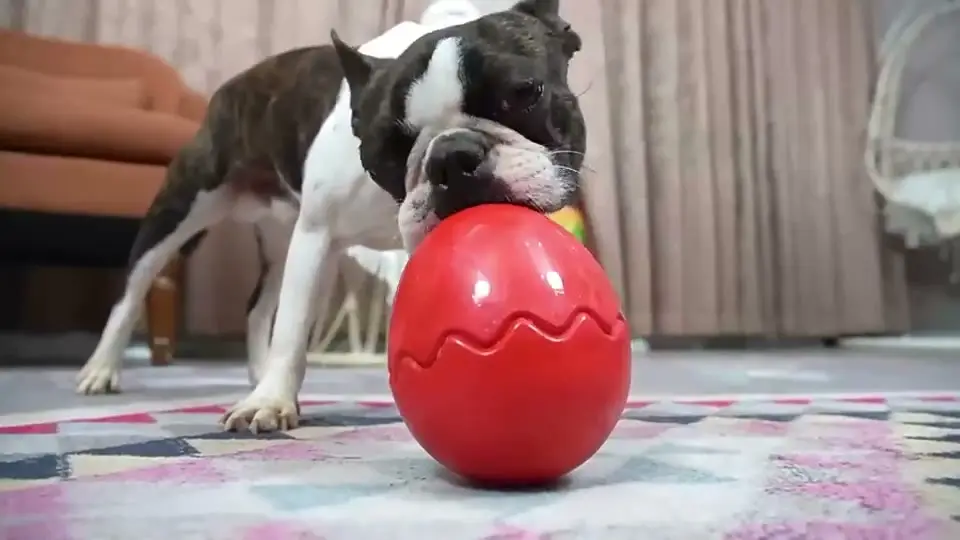
If you like to share small snacks, a lick mat or a treat ball makes a little go further and slows a fast eater down.
Eggnog brings risks beyond the spice
VCA specifically advises against sharing eggnog with dogs and identifies alcohol and raw eggs among the possible concerns. The recipe determines which ingredients are present. Do not describe a drink exposure as simply nutmeg because spice was sprinkled on top, or assume an alcohol-free version has the same contents as another product.
Save the carton or drink recipe and tell the clinic whether the dog could have reached other beverages or food. Move remaining cups out of reach while arranging advice. During the holidays, have guests clear drinks promptly and keep the dog away from preparation areas where open spice containers and uncooked ingredients are accessible.
Gather a practical history before and during the call
Note when the dog had access, its weight in pounds, what seems missing, and whether any packaging was chewed. Photograph the container and remaining food. Report current symptoms and relevant health conditions or medications. State the uncertainty when you do not know whether the dog licked a spill or ate a larger amount.
Contact your veterinarian, ASPCA Animal Poison Control at (888) 426-4435, or Pet Poison Helpline at (855) 764-7661; a fee may apply. Keep the dog away from the remaining material and follow the professional’s directions. Do not use another person’s experience or an online amount as an individualized assessment.
Do not attempt an antidote or a home diagnosis
Seek emergency veterinary care for seizures, collapse, severe weakness, or breathing difficulty. Contact the clinic about vomiting, unusual behavior, apparent pain, or changes in appetite after an exposure. Describe the signs and timing without deciding that the dog has a particular poisoning based on a symptom list.
Do not induce vomiting, give human medication, or try a home antidote unless the veterinary professional directs a specific next step. The form swallowed, possible additional ingredients, and the dog’s condition affect what response is appropriate. A dog that currently looks comfortable still needs individual advice after a concerning direct spice ingestion or an uncertain mixed-food exposure.
Store the spice separately from permitted rewards
Keep nutmeg, spice blends, and finished holiday foods in closed storage, and secure discarded food and packaging. Use a familiar permitted reward instead of a taste from the baking counter. VCA’s general feeding guidance emphasizes appropriate complete nutrition; a dog does not need nutmeg added for flavor or any claimed benefit, and a prescribed diet should guide the choice of extras.
This page is general information, not veterinary advice, and it cannot replace an examination by the vet who knows your pet.
Common questions
Does a bite of nutmeg-flavored food always mean poisoning?
No. Pet Poison Helpline says the small amount normally used in recipes is unlikely to cause serious nutmeg toxicity. Check the whole recipe and obtain advice about the individual incident rather than assuming either disaster or safety.
Can I calculate a safe amount of nutmeg for my dog?
Do not offer nutmeg or use a toxicity discussion as a feeding allowance. Tell a veterinary professional the form, estimated amount, timing, and dog’s weight after an accidental exposure.
What if my dog ate pumpkin-spice bread?
Keep the full recipe or package because the blend and other ingredients need assessment. AKC notes that seasonal baked foods may contain separate toxic additions; describing only nutmeg leaves out important information.
Should I make my dog vomit after a spice spill?
Do not induce vomiting without professional direction. Remove access, save the spice container, and call for individual advice. Emergency signs such as collapse or seizures require immediate veterinary attention.
Sources we checked
This guide is general information, not veterinary advice. If your pet is unwell or injured, contact your veterinarian.