Food safety
Can Dogs Eat Mustard? No — It Can Make Them Vomit
No, it is best not to. The American Kennel Club says mustard can upset a dog's stomach and cause vomiting, and it offers a dog nothing useful in return. A lick from a hot dog or a dropped fry is unlikely to do more than cause a mild upset, but a mouthful or a squeezed bottle is a different matter. Flavored mustards add more risk: honey mustard brings sugar, and some spicy, deli or specialty mustards contain garlic or onion powder, which are toxic to dogs.
By Matt GarnettUpdated November 13, 20264 min read2 sources
Why mustard upsets dogs
Mustard is made from ground mustard seed mixed with vinegar, salt and spices. The seed carries the sharp, pungent compounds that give mustard its bite, and those same compounds irritate a dog's stomach lining. The AKC lists mustard among cookout foods to keep from dogs because it can upset a dog's stomach and cause vomiting.
Vinegar and salt add to it. The ASPCA warns that excessive salt causes increased thirst and urination, and in large amounts vomiting, diarrhea, tremors and seizures. Yellow mustard is not salty enough for a lick to matter, but a dog that empties a bottle has taken in a lot of salt and irritant at once.
Mustards and mustard foods to keep away from dogs
Read the label before assuming a mustard is plain. Some spicy brown, deli, Dijon-style and specialty mustards include garlic or onion powder, and the ASPCA says the onion family can damage red blood cells and lead to anemia. Honey mustard and sweet mustard sauces add sugar, and some reduced-sugar versions may contain sweeteners such as xylitol.
Mustard rarely arrives on its own. Hot dogs, deli sandwiches, pretzels, potato salad, deviled eggs and pork rubs all pair it with salt, fat or seasonings. If your dog ate a mustard or mustard dish containing garlic, onion or xylitol, call your vet, the ASPCA Animal Poison Control Center at (888) 426-4435 or Pet Poison Helpline at (855) 764-7661; a fee may apply.
What to do if your dog ate mustard
For a lick off a plate or a smear on a hot dog bun, offer fresh water and watch for drooling, vomiting or diarrhea over the next day. Most dogs are fine once the upset passes.
For a large amount, a chewed-open bottle or packets, or any mustard that lists garlic, onion or xylitol, call your vet or a poison line. Have the label ready, along with roughly how much is missing and your dog's weight. Do not make your dog vomit unless a vet tells you to; mustard already irritates the stomach. Also check the bottle and cap: a chewed plastic cap is a choking and blockage risk.
Why there is no safe serving size
Because mustard's only effect on a dog is to irritate the stomach, there is no serving that does your dog good, so there is no amount to recommend for any size. The question is only whether an accidental amount is enough to worry about.
As a rough guide to when to call your vet: a dog under 20 lb that ate more than a teaspoon, a 20 to 50 lb dog that ate more than a tablespoon, or any dog that ate a large share of a bottle. Dogs with a sensitive stomach, kidney or heart disease, or a history of pancreatitis are worth calling about at lower amounts.
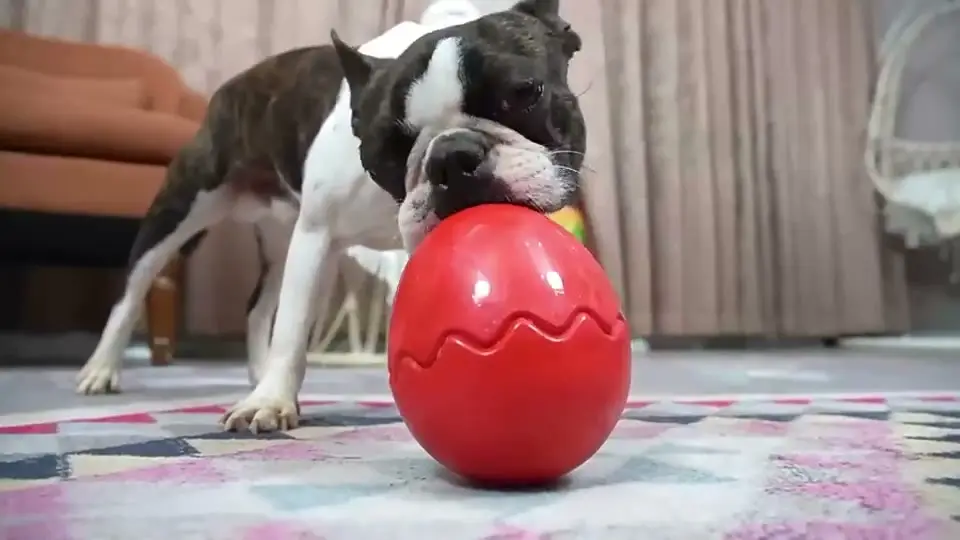
If you like to share small snacks, a lick mat or a treat ball makes a little go further and slows a fast eater down.
Puppies and mustard
Puppies are more likely to chew a squeeze bottle or snatch a condiment packet, and their small size makes the salt and irritation matter more. A puppy's stomach is easily upset, and vomiting or diarrhea dehydrates a puppy faster than an adult dog.
If a puppy got into mustard, offer water and call your vet if vomiting or diarrhea happens more than once, or if your puppy seems tired or stops eating. Keep condiments and packets off low tables and out of bags left on the floor.
Signs mustard disagreed with your dog, and when to call a vet
The usual signs appear within hours: drooling, lip-licking, vomiting, a gurgling stomach or diarrhea. Extra thirst is common after salty food. Mild signs that settle within a day usually need no treatment beyond water and the normal food.
Call your vet the same day if vomiting or diarrhea repeats, there is blood in either, your dog seems sore in the belly or stops eating. Go immediately for tremors, wobbliness or seizures, and watch for weakness or pale gums over the next few days if the mustard contained garlic or onion.
Cookout treats your dog can have instead
At a barbecue, set aside a plain piece of cooked, unseasoned meat with the fat and bones removed, or offer cucumber slices, carrot coins or a few blueberries. The AKC lists blueberries and cantaloupe among fruits that are safe to share at a cookout.
Keep condiment bottles, packets and plates up high, and ask guests not to share their hot dogs or burgers. A chew toy filled with your dog's usual food keeps them busy while the grill is going.
This page is general information, not veterinary advice, and it cannot replace an examination by the vet who knows your pet.
Common questions
Is mustard toxic to dogs?
Plain mustard is not usually described as toxic, but the AKC says it can upset a dog's stomach and cause vomiting. Some mustards contain garlic or onion powder, which are toxic.
Can dogs eat honey mustard?
It is best not to. Honey mustard adds sugar to the irritants in mustard, and some versions contain garlic, onion or other sweeteners. Check the label if your dog ate some.
My dog licked mustard. Should I worry?
A lick is unlikely to cause more than mild drooling or stomach upset. Offer water and call your vet if vomiting or diarrhea repeats or your dog seems unwell.
Can dogs eat Dijon mustard?
No. Dijon and spicy brown mustards are usually sharper than yellow mustard and can upset a dog's stomach in the same way. Some also contain garlic or onion, so check the label.
Can dogs eat a hot dog with mustard?
Neither is a good choice. The AKC warns hot dogs are very salty and may contain garlic or onion powder, and mustard can cause vomiting. Share plain cooked meat instead.
Sources we checked
This guide is general information, not veterinary advice. If your pet is unwell or injured, contact your veterinarian.