Food safety
Can Dogs Eat Mozzarella? Yes, a Small Piece Is Fine
Yes, dogs can eat mozzarella in small amounts. The AKC names mozzarella among the lower-fat cheeses that are best for dogs, and its mild flavor and soft texture make it handy for training or hiding a pill. It is still cheese, though, so it carries fat, salt and some lactose, and too much can cause diarrhea or contribute to pancreatitis. A small cube or a few shreds is the right serving. Pizza, mozzarella sticks and marinated mozzarella are another story.
By Matt GarnettUpdated November 13, 20264 min read3 sources
Why mozzarella is one of the better cheeses for dogs
Fresh mozzarella and part-skim mozzarella are lower in fat and sodium than aged cheeses such as cheddar or parmesan. The AKC recommends low-fat cheeses like mozzarella, cottage cheese or soft goat cheese if you share cheese with your dog.
Mozzarella also contains less lactose than milk, because much of the milk sugar drains away with the whey when it is made. That is why many dogs that react to a bowl of milk can handle a small piece of mozzarella without trouble.
When mozzarella causes problems
Cheese is high in fat, and the AKC warns that feeding too much regularly can cause weight gain and could lead to pancreatitis, a serious and potentially fatal illness. Dogs with a history of pancreatitis, or on a low-fat diet, should not have cheese at all.
Dogs with severe lactose intolerance may react even to small amounts. Also watch for added ingredients: marinated mozzarella balls often sit in oil with garlic and herbs, and the AKC notes that some cheeses contain garlic, onion or chives, which are toxic to dogs.
Pizza, mozzarella sticks and other forms
Pizza is the most common way dogs get mozzarella, and the cheese is the least of the worries. Pizza sauce is usually made with garlic and onion, crusts may be brushed with garlic butter, and toppings such as pepperoni are very salty and fatty.
Fried mozzarella sticks are coated in seasoned breadcrumbs and oil, and served with marinara that often contains garlic. Caprese salad pairs mozzarella with basil and balsamic vinegar and sometimes garlic. Plain, unseasoned mozzarella is the only form worth sharing.
How much mozzarella by dog weight
The AKC says a small cube or a few shreds is usually enough for training or as a reward. As a rough guide: under 20 lb, a pea-sized piece or two; 20 to 50 lb, one piece about the size of a sugar cube; over 50 lb, two sugar-cube pieces, occasionally.
String cheese makes portioning easy: tear off a thin strip rather than giving a whole stick. If you use cheese for training, cut it into tiny pieces and reduce your dog's meal slightly on those days to keep calories in check.
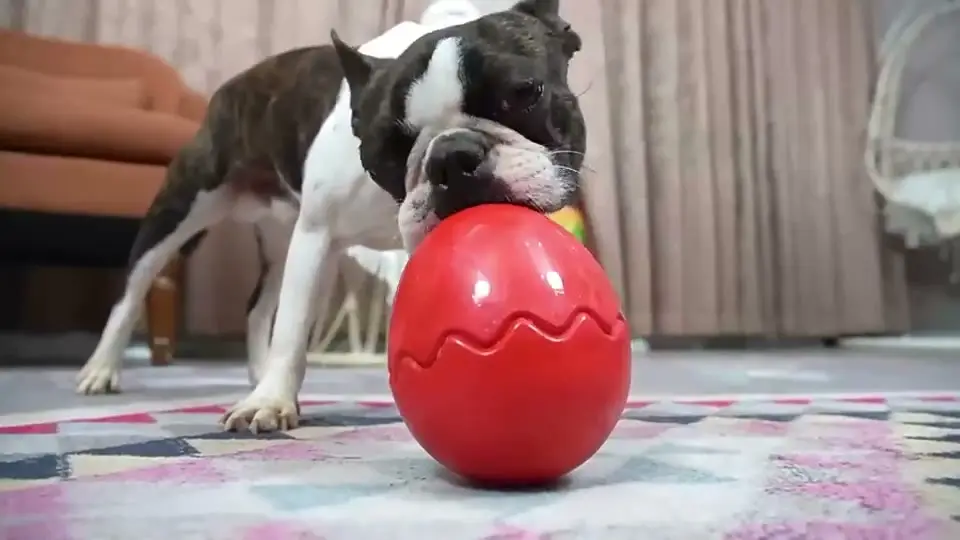
If you like to share small snacks, a lick mat or a treat ball makes a little go further and slows a fast eater down.
Puppies and mozzarella
Puppies can have a tiny shred of plain mozzarella as a training reward once they are eating solid food, but start very small. Their digestive systems are sensitive, and fatty or dairy foods are a common cause of loose stools in young dogs.
Stringy, stretchy melted cheese can be hard for a puppy to swallow, so only use cold mozzarella cut into small pieces. Keep pizza boxes and plates out of reach, since puppies will chew through cardboard to get at leftover crusts.
Signs mozzarella disagreed with your dog, and when to call a vet
Too much cheese usually shows within a few hours to a day as loose stools, gas or vomiting. Mild signs typically settle within 24 hours once you stop. Offer water and go back to your dog's normal food.
Call your vet the same day if vomiting is repeated, if your dog is lethargic, stands hunched or seems to have a painful belly, or refuses food, as these can be signs of pancreatitis. Call promptly if your dog ate pizza, garlic bread or another dish containing garlic or onion.
Other low-risk treats
Cottage cheese, which the AKC describes as lower in fat, sodium and lactose than most cheeses, is another option for dairy-loving dogs. A spoonful of plain yogurt works for some dogs too.
For dogs that should avoid dairy, small pieces of plain cooked chicken, a slice of apple without the core, carrot sticks or a few blueberries make good rewards. The ASPCA suggests cutting harder snacks small to avoid choking.
This page is general information, not veterinary advice, and it cannot replace an examination by the vet who knows your pet.
Common questions
Can dogs eat mozzarella cheese sticks?
Plain string cheese is fine in small strips. Fried mozzarella sticks are not a good idea, because they are breaded, fried in oil and often served with garlicky marinara sauce.
Can dogs eat fresh mozzarella?
Yes. Fresh mozzarella is mild and lower in salt than many cheeses. Give a small piece, and avoid mozzarella that has been marinated in oil with garlic or herbs.
Can dogs eat pizza with mozzarella?
It is best not to share pizza. The sauce and crust often contain garlic and onion, and toppings are salty and fatty. If your dog ate a slice, watch for stomach upset and call your vet.
Can I use mozzarella to give my dog a pill?
Yes, the AKC notes cheese is a good way to hide pills. Wrap the pill in a small piece of plain mozzarella, but check with your vet first, as some medicines should not be given with dairy.
Is mozzarella better than cheddar for dogs?
Generally yes. Mozzarella is lower in fat and sodium than cheddar, which makes it a better occasional treat. Both should still be given only in small amounts.
Sources we checked
This guide is general information, not veterinary advice. If your pet is unwell or injured, contact your veterinarian.