Food safety
Can Dogs Drink Milk? A Little, But Many Can't Digest It
Yes, in moderation: many dogs can drink a little plain milk, but plenty of adult dogs cannot digest it well. After weaning, dogs make much less lactase, the enzyme that breaks down milk sugar, so a full bowl often ends in gas, loose stools or vomiting. A few tablespoons now and then is the sensible ceiling. Milk also carries fat and natural sugar, which matters for dogs that gain weight easily or have had pancreatitis. Here is how to tell whether your dog copes with it.
By Matt GarnettUpdated November 13, 20265 min read3 sources
Why milk upsets so many dogs
Milk sugar, called lactose, has to be split by an enzyme called lactase before the gut can absorb it. Puppies make plenty while they nurse, but production falls once they are weaned. The ASPCA notes that pets do not have significant amounts of lactase, which is why milk and other dairy can cause diarrhea or other digestive upset.
When lactose is not broken down, it travels on to the large intestine, where bacteria ferment it. That fermentation pulls water into the bowel and produces gas, which is why the usual result is a gurgling belly, flatulence and soft stool rather than anything dramatic.
Fat, sugar and the pancreatitis question
Whole milk is roughly 3.5 percent fat, and cream, half-and-half and the milk left at the bottom of a cereal bowl can be a good deal richer. The AKC points out that milk is high in fat and natural sugars, and that too much can contribute to obesity and pancreatitis.
Dogs that have had pancreatitis before, small breeds prone to it such as Miniature Schnauzers, and dogs on a weight-loss plan are better off skipping milk entirely. If your vet has your dog on a low-fat diet, treat dairy as one of the foods that diet is meant to exclude, not as a harmless extra.
How much milk can a dog have?
Think in tablespoons, not bowls. As a rough guide for a dog that has already shown it tolerates milk: under 20 lb, one tablespoon; 20 to 50 lb, two to three tablespoons; over 50 lb, up to about a quarter cup. Offer it occasionally, poured over food or in a saucer, and never as a replacement for fresh water.
The first time, give half of that and wait a day. If stools stay normal and there is no gas or vomiting, the smaller amount is fine to repeat now and then.
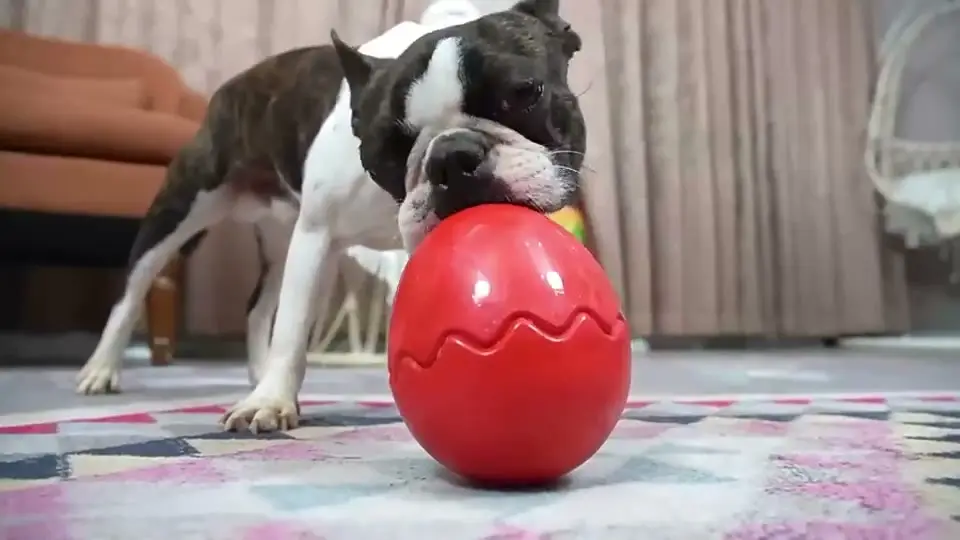
If you like to share small snacks, a lick mat or a treat ball makes a little go further and slows a fast eater down.
Puppies and milk
A puppy's own mother's milk is the right food for the first weeks of life. It is not a substitute. Cow's milk has a different balance of protein, fat and sugar from dog milk, and weaned puppies are already losing the ability to digest lactose, so a bowl of it is more likely to cause diarrhea than to help them grow.
Diarrhea matters more in a puppy because a small body dehydrates quickly. If you are caring for orphaned or very young puppies that cannot nurse, ask your vet about a puppy milk replacer made for the purpose and how to feed it. Once a puppy is on a complete puppy food, it does not need milk at all.
Which milks are riskier than others
Plain skim or low-fat milk is the gentlest choice if you give any. Lactose-free cow's milk removes most of the sugar that causes trouble, so it is often better tolerated, though it still contains fat.
Plant milks are where labels matter. Almond, oat and soy milks are not toxic in small amounts, but sweetened versions add sugar, and some products contain xylitol, which can cause dangerously low blood sugar in dogs. Chocolate milk is a different matter: chocolate and caffeine can poison dogs. If your dog drank chocolate milk or anything containing xylitol, call your vet, the ASPCA Animal Poison Control Center at (888) 426-4435 or Pet Poison Helpline at (855) 764-7661; a fee may apply.
Signs milk disagreed with your dog, and when to call a vet
Dairy upset usually shows within a few hours: loose or watery stool, gas, a rumbling stomach, vomiting, or a dog that seems uncomfortable and restless. In most cases it passes within a day once the milk stops.
Call your vet the same day if vomiting is repeated, diarrhea lasts more than 24 hours, you see blood, or your dog is lethargic, refuses food or stands hunched as if the belly hurts. Those signs can point to something more serious than lactose, including pancreatitis after a rich, fatty serving. Puppies, seniors and small dogs should be seen sooner because they dehydrate faster.
Better treats than a bowl of milk
If your dog loves dairy, a small cube of cheese or a spoonful of plain yogurt is often easier on the gut, because both contain less lactose than milk. The AKC notes some lactose-intolerant dogs tolerate these when they cannot drink milk.
For a dog that reacts to even a little dairy, drop it and use other treats: a few blueberries, a slice of apple without the core, or a piece of plain cooked chicken.
This page is general information, not veterinary advice, and it cannot replace an examination by the vet who knows your pet.
Common questions
Can dogs drink lactose-free milk?
Lactose-free milk is usually easier on a dog's stomach because the sugar that causes most of the trouble has already been broken down. It still contains fat, so keep it to the same few tablespoons and offer it only occasionally.
Can dogs drink almond milk or oat milk?
Small amounts of plain, unsweetened almond or oat milk are not toxic to dogs. Check the label for added sugar and for xylitol, which is dangerous to dogs, and remember that almonds are fatty and can upset some stomachs.
Is milk good for a dog with an upset stomach?
No. Milk is more likely to make diarrhea or gas worse, because most adult dogs digest lactose poorly. If your dog has an upset stomach, offer water and call your vet if it lasts more than a day or your dog seems unwell.
Can dogs drink chocolate milk?
No. Chocolate contains theobromine and caffeine, which can poison dogs. If your dog drank chocolate milk, call your vet or an animal poison control line right away, with the brand and roughly how much was drunk.
Can puppies drink cow's milk?
Cow's milk is not a good food for puppies and commonly causes diarrhea, which can dehydrate a young dog quickly. Orphaned or very young puppies need a milk replacer made for puppies, chosen with your vet's help.
Sources we checked
This guide is general information, not veterinary advice. If your pet is unwell or injured, contact your veterinarian.