Food safety
Can Dogs Eat Mashed Potatoes? Only Plain Ones
Only plain ones. Dogs can eat a little plain, fully cooked mashed potato, but the holiday version made with garlic, onion or chives can poison dogs, and the butter, cream and cheese in it can upset their stomach badly. Set aside a spoonful of plain boiled potato, mashed with nothing added, before you season the bowl. If your dog ate a large amount of garlicky or onion-laced mash, call your vet, ASPCA Animal Poison Control at (888) 426-4435 or Pet Poison Helpline at (855) 764-7661; a fee may apply.
By Matt GarnettUpdated November 13, 20264 min read3 sources
Why plain mashed potato is safe for dogs
Cooked potato is not toxic to dogs. The AKC says plain, cooked potatoes are fine as an occasional treat, and that mashed potatoes should be plain or soft-cooked with no butter, milk, salt or seasoning. Cooked potato is soft, bland and easy for most dogs to eat.
It is mostly starch, though, with little of the protein and fat dogs need, so it works as a small extra rather than part of the meal. Dogs that are overweight or diabetic should have it rarely, if at all; ask your vet.
Warning: garlic, onion, chives and butter
Holiday mashed potatoes are rarely plain. Garlic mash, onion, chives, scallions and garlic powder are common additions, and the ASPCA lists all of these alliums as damaging to red blood cells. Loaded mash adds cheese, sour cream and bacon, which are salty and fatty.
The AKC warns that lots of butter can trigger inflammation of the pancreas, and the ASPCA notes that pets have little lactase to digest milk and cream. Instant mashed potato mixes and gravy often contain onion and garlic powder too. Call for advice if your dog ate a large amount of any of these.
Raw and green potatoes
Never give raw potato. The AKC explains that potatoes contain solanine, which is highest in green patches, sprouts and raw potato, and that potatoes must be cooked soft enough to mash so they are not a choking risk.
If your dog ate raw or green potato or potato sprouts and shows vomiting, diarrhea, lethargy or muscle weakness, the AKC advises seeing a vet immediately. Keep the peelings bag and the potato sack out of reach while you cook.
How to make dog-safe mashed potato
Peel the potato, cut away any green patches or eyes, and boil it in plain water until it is completely soft. Mash it with a fork or a splash of the cooking water, with no butter, milk, cream, salt, pepper, garlic or cheese, and let it cool.
For a dog of 10 lb, a teaspoon is plenty; mix it into their regular food. Plain mashed sweet potato, cooked the same way, works just as well and many dogs prefer the taste.
How much mashed potato a dog can have
Keep extras under about 10% of daily calories. A practical guide is a teaspoon for dogs under 20 lb, a tablespoon for dogs of 20 to 50 lb, and up to two tablespoons for dogs over 50 lb, as an occasional treat rather than a daily side.
If you are not certain the mash on your plate is plain, assume it is not and do not share it. One spoonful of seasoned mash is a large dose of garlic or butter for a small dog.
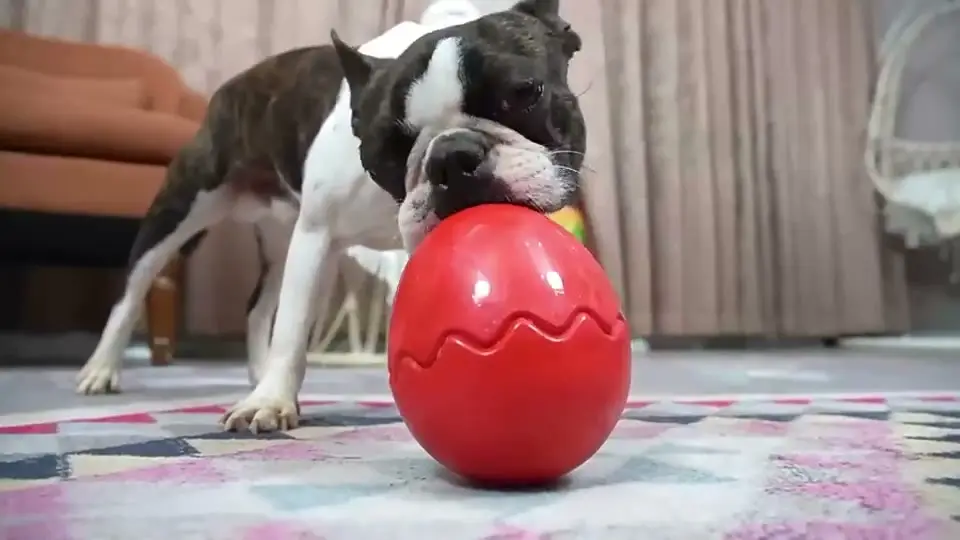
If you like to share small snacks, a lick mat or a treat ball makes a little go further and slows a fast eater down.
Can puppies eat mashed potatoes?
A weaned puppy can taste half a teaspoon of plain, fully cooked mashed potato, but there is no need to add it. Puppies need the balanced nutrition of a complete puppy food, and their stomachs are easily upset by rich holiday food.
Never give a puppy seasoned or buttery mash. If your puppy got into the serving bowl, check the recipe for garlic, onion or chives and call your vet if any were in it.
Signs mashed potatoes disagreed with your dog, and when to call the vet
Rich mash usually causes vomiting, diarrhea or gas within a few hours to a day. More serious signs from a fatty meal can appear over one to four days: repeated vomiting, a painful hunched back, a tender belly and refusing food.
After garlic or onion, pale gums, weakness, fast breathing and dark urine usually develop two to five days later. See your vet the same day for any of these, or for vomiting that will not stop.
Mashed potatoes at Thanksgiving
Thanksgiving is the day dogs are most likely to get mashed potatoes, from a dropped spoon or a kind guest. Before you add butter and seasoning, set aside a little plain mashed potato in a separate bowl for your dog, and tell guests that is the only version the dog gets.
Keep serving bowls back from table and counter edges, scrape plates straight into a lidded trash can, and give your dog a long-lasting chew during dinner. Plain cooked green beans and a few pieces of skinless turkey breast round out a dog-safe holiday plate.
This page is general information, not veterinary advice, and it cannot replace an examination by the vet who knows your pet.
Common questions
Can dogs eat mashed potatoes with butter?
It is best not to share them. Butter adds a lot of fat, which can upset a dog's stomach and is a common trigger for inflammation of the pancreas. Plain mash with nothing added is the safe version.
Can dogs eat garlic mashed potatoes?
No. Garlic is toxic to dogs and can damage their red blood cells. Call your vet or a poison helpline if your dog ate a significant amount of garlic mash.
Can dogs eat instant mashed potatoes?
It is better to avoid them. Instant mixes often contain salt, milk powder and onion or garlic powder. Plain boiled potato mashed at home is the safer choice.
Can dogs eat mashed sweet potatoes?
Yes, if they are plain and fully cooked with no butter, sugar, marshmallows or spices. Sweet potato casserole with toppings is not suitable for dogs.
Can dogs eat potato skins?
Cooked potato skin without green patches is not toxic, but it is harder to digest. Never give raw or green skins, and skip loaded potato skins with cheese, bacon and sour cream.
Sources we checked
This guide is general information, not veterinary advice. If your pet is unwell or injured, contact your veterinarian.