Food safety
Can Dogs Eat Marshmallows? No — and Xylitol Is the Danger
No, marshmallows are not a good treat for dogs, and sugar-free marshmallows sweetened with xylitol can poison a dog within minutes. Regular marshmallows are not toxic, but they are almost pure sugar, and a bag eaten at once can cause vomiting and diarrhea. If your dog ate sugar-free marshmallows, or marshmallows with chocolate, call your vet now, or ASPCA Animal Poison Control at (888) 426-4435 or Pet Poison Helpline at (855) 764-7661. A consultation fee may apply.
By Matt GarnettUpdated November 13, 20264 min read3 sources
Why marshmallows are a bad idea
A standard marshmallow is sugar, corn syrup, gelatin and flavoring. None of that is poisonous to dogs, but the AKC points out that marshmallows are very high in sugar and calories and especially risky for dogs with diabetes or weight problems. A large marshmallow is around 20 to 25 calories, a real slice of a small dog's daily budget.
A single marshmallow dropped on the floor will not hurt a healthy dog. The issue is a dog that eats a whole bag, which the AKC says can lead to stomach upset and, in some cases, pancreatitis or an obstruction from the sticky mass of sugar and packaging.
The xylitol warning
Some sugar-free and keto marshmallows are sweetened with xylitol, a sugar alcohol that is safe for people and poisonous to dogs. Pet Poison Helpline warns that xylitol can drop a dog's blood sugar to life-threatening levels within 10 to 15 minutes, and larger amounts can cause acute liver failure.
Check the ingredient list for xylitol, sometimes listed as birch sugar, and treat any sugar-free marshmallow product as an emergency until you have confirmed it is xylitol-free. Marshmallow fluff, flavored marshmallows and diet hot-cocoa mixes can contain it too.
S'mores, hot cocoa and holiday treats
Marshmallows rarely arrive alone. S'mores add chocolate, which is toxic to dogs. Hot cocoa adds chocolate and sometimes xylitol. Rice cereal treats add butter, and sweet potato casserole topped with marshmallows adds butter, brown sugar and spices. Each of these is riskier than a plain marshmallow.
Around campfires, winter holidays and Thanksgiving, keep marshmallow bags sealed and off low tables, and ask guests not to share. Roasting sticks are a separate hazard: a dog that grabs one can swallow a sharp skewer along with the sugar.
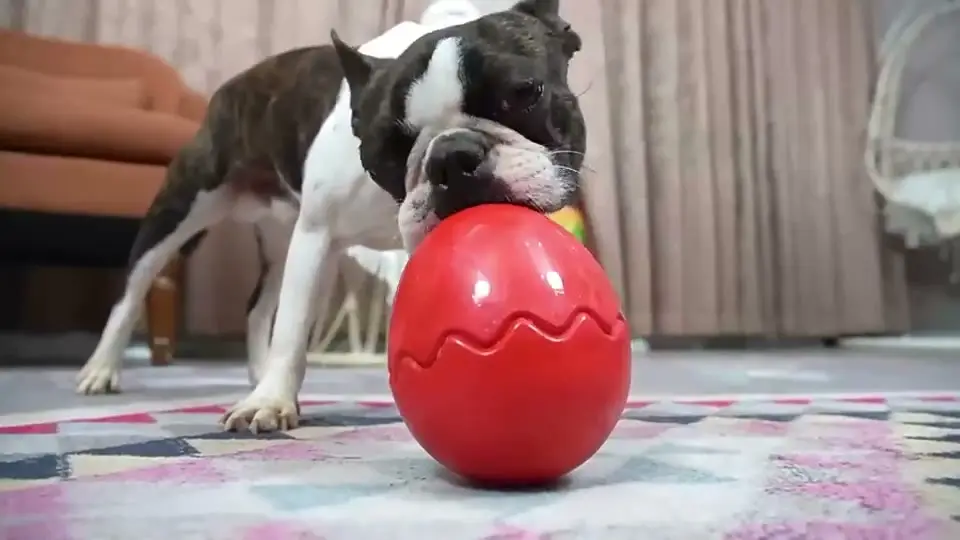
If you like to share small snacks, a lick mat or a treat ball makes a little go further and slows a fast eater down.
What to do if your dog ate marshmallows
First, find the bag. If the label lists xylitol, or you cannot tell, call your vet or a poison line immediately; do not wait for signs. Have your dog's weight and a rough count ready. A vet may induce vomiting if it was within the last couple of hours.
If they were plain sugar marshmallows and your dog ate one or two, keep water down and watch for the next day. If your dog ate a whole bag, or marshmallows with chocolate, call your vet for advice, because the amount changes what they recommend.
Signs to watch and when to see a vet
Xylitol signs can start within an hour: vomiting, weakness, wobbliness, collapse, tremors or seizures. Those need emergency care right away. Liver damage may follow over the next one to three days, so a vet may want bloodwork even if your dog seems well.
After plain marshmallows, look for vomiting, diarrhea or a sore belly within a few hours. Call your vet if vomiting continues, if your dog hunches over in pain, refuses food or seems very tired, because a large sugar and fat binge can trigger more serious stomach trouble.
Puppies and small dogs
Puppies and dogs under 20 lb are the most at risk from a marshmallow raid, because the same handful is a much bigger dose for a small body. A toy breed eating a few sugar-free marshmallows can be in serious danger from the xylitol alone.
Small dogs can also choke on a whole marshmallow, which turns soft and sticky in the mouth. Keep bags well out of reach, and do not use marshmallows to hide pills; ask your vet for a safer pill pocket instead.
Better treats for sharing
If you want your dog to join in, a small piece of plain cooked chicken, a slice of banana, a few blueberries or a dog treat made for the occasion are all better than candy. A frozen lick mat with plain canned pumpkin feels like a treat without the sugar.
This page is general information, not veterinary advice, and it cannot replace an examination by the vet who knows your pet.
Common questions
Will one marshmallow hurt my dog?
One plain sugar marshmallow is unlikely to harm a healthy dog. A sugar-free marshmallow with xylitol is a different matter and needs a call to your vet or a poison line straight away.
Can dogs eat marshmallow fluff?
It is not a good idea. Fluff is sugar and corn syrup, and some brands or sugar-free versions may contain xylitol. Check the label, and call your vet if xylitol is listed.
Can dogs have s'mores?
No. S'mores add chocolate, which is toxic to dogs, plus sugar from the marshmallow and crackers. If your dog ate a s'more, call your vet or a poison line with your dog's weight.
Do dog-safe marshmallows exist?
Some companies sell marshmallow-style dog treats made without xylitol or chocolate. Read the ingredient list and treat them as occasional extras within your dog's daily treat budget.
What are the signs of xylitol poisoning in dogs?
Vomiting, weakness, wobbliness, trembling, collapse or seizures, often within an hour. Liver damage can follow days later, so get to a vet right away even if your dog seems better.
Sources we checked
This guide is general information, not veterinary advice. If your pet is unwell or injured, contact your veterinarian.