Food safety
Can Dogs Eat Human Food? Some, but Several Are Toxic
Yes, dogs can eat some human foods, but only plain ones, in small amounts, and several everyday foods are poisonous to them. Plain cooked chicken, turkey, lean beef, fish, eggs, rice, carrots, green beans and apple slices are generally fine. Grapes and raisins, chocolate, onions and garlic, macadamia nuts, xylitol, alcohol, caffeine and raw yeast dough can make a dog seriously ill. If your dog ate something on the toxic list, call your vet or ASPCA Animal Poison Control at (888) 426-4435 now; a fee may apply.
By Matt GarnettUpdated November 13, 20264 min read2 sources
Why dog food comes first
A complete and balanced dog food is formulated to give a dog every nutrient it needs in the right proportions. The American Kennel Club's advice is that human foods should only be occasional treats, with commercial dog food as the main diet, and that treats should make up no more than about 10 percent of daily calories.
Table food also changes behavior. Dogs fed from the table learn to beg, and frequent scraps add calories that lead to weight gain. A few plain extras are fine; a habit of sharing plates is how many dogs end up overweight or with an upset stomach.
Human foods that are toxic to dogs
The AKC and the ASPCA both list foods dogs should never eat. Grapes, raisins and currants can cause kidney injury, and the AKC notes the harmful amount is unpredictable. Chocolate, coffee and tea contain methylxanthines. Onions, garlic, leeks and chives damage red blood cells, and garlic is three to five times more potent than onion.
Macadamia nuts cause weakness, tremors and fever. Xylitol, found in sugar-free gum, candy, baked goods and some peanut butters, can cause a dangerous drop in blood sugar and liver damage. Alcohol and raw yeast dough are also dangerous, as dough can expand in the stomach and produce alcohol.
Plain human foods that are generally safe
According to the AKC, these are fine in small, plain portions: fully cooked lean chicken, turkey or pork with no bones or skin; cooked, boneless fish such as salmon; plain cooked eggs; plain rice and quinoa; and plain, unbuttered popcorn. Cook everything without salt, butter, oil, onion, garlic or seasoning.
Many fruits and vegetables also work as treats: carrots, green beans, cucumber, peeled apple slices without the core or seeds, blueberries, bananas and seedless watermelon without the rind. Plain yogurt and small amounts of lower-fat cheese suit dogs that tolerate dairy.
Foods that are not toxic but cause problems
Some foods are not poisons but still cause trouble. Cooked bones of any kind can splinter, and the AKC warns never to give cooked pork or poultry bones. Corn cobs can cause serious intestinal blockages. Fatty foods like bacon, ham, sausage, fried food and gravy can trigger vomiting or pancreatitis.
Salty foods, such as chips, pretzels and deli meat, can upset the stomach and in large amounts cause salt poisoning. Milk and ice cream give many dogs diarrhea, because the ASPCA notes pets have little lactase. Raw meat and raw eggs can carry Salmonella and E. coli.
How much human food by weight
Keep extras small and count them toward the day's food. A guide for plain treats like cooked chicken or carrot: a tablespoon or two for dogs under 20 lb; a quarter cup for dogs of 20 to 50 lb; up to half a cup for dogs over 50 lb. Cut everything into bite-size pieces.
Dogs that are overweight, have diabetes, pancreatitis, kidney or heart disease, or are on a prescription diet need their vet's guidance before any table food. If you add more than an occasional treat, reduce their regular food so total calories stay the same.
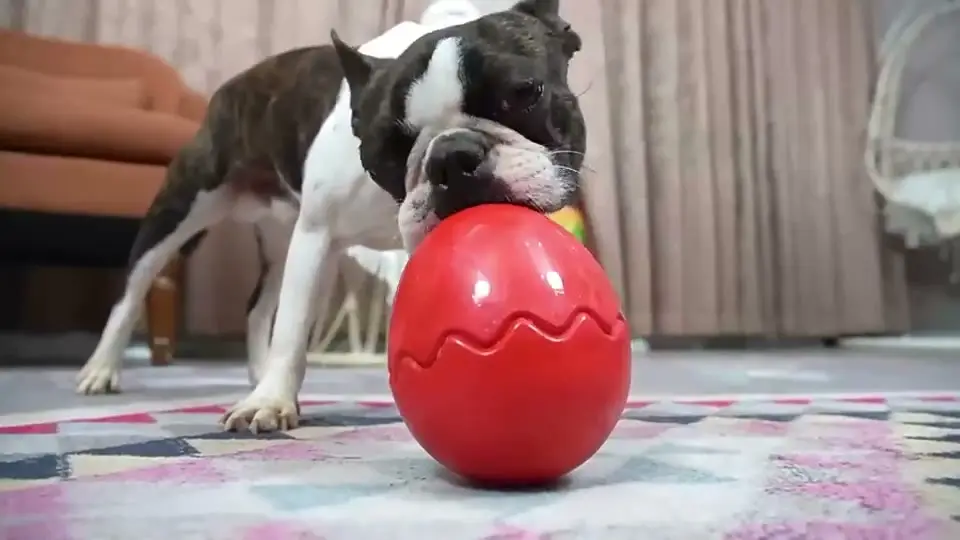
If you like to share small snacks, a lick mat or a treat ball makes a little go further and slows a fast eater down.
Puppies and human food
Puppies need a diet balanced for growth, especially large breeds, whose bones are sensitive to too much or too little calcium. Every extra bite of human food takes space from puppy food, so keep treats very small and plain.
Puppies are also the most likely to eat something dangerous by accident. Keep grapes, raisins, chocolate, gum and baked goods out of reach, close the trash, and teach a solid leave it command early.
Signs of a problem and when to call a vet
Mild food upset looks like one or two episodes of vomiting or soft stool within a few hours, settling within a day. Signs of something more serious include repeated vomiting, diarrhea with blood, a painful belly, refusing food, restlessness, tremors, wobbling, collapse or seizures.
If you know or suspect your dog ate a toxic food, call your vet, ASPCA Animal Poison Control at (888) 426-4435 or Pet Poison Helpline at (855) 764-7661 right away, even if your dog seems fine. A fee may apply. Have the packaging ready, and note how much was eaten and when.
This page is general information, not veterinary advice, and it cannot replace an examination by the vet who knows your pet.
Common questions
What human food can dogs eat every day?
Small amounts of plain foods such as cooked chicken breast, carrots, green beans or plain rice can be offered daily as long as they stay within about 10 percent of calories and the main diet is complete dog food.
Is it OK to feed my dog table scraps?
Occasional plain scraps are fine, but most leftovers are seasoned, fatty or salty and may contain onion or garlic. Regular table scraps encourage begging and weight gain, so set aside plain food instead.
Can dogs eat bread?
Small amounts of plain, fully baked bread are fine for most dogs, according to the AKC. Avoid raisin bread, garlic bread and anything with xylitol, and never give raw yeast dough.
Can dogs eat peanut butter?
Yes, in small amounts, if it contains no xylitol. The AKC recommends natural, unsalted peanut butter and small portions, because it is high in fat and calories.
What should I do if my dog ate grapes or chocolate?
Call your vet, ASPCA Animal Poison Control at (888) 426-4435 or Pet Poison Helpline at (855) 764-7661 straight away, even if your dog seems fine. Signs can be delayed, and a fee may apply.
Sources we checked
This guide is general information, not veterinary advice. If your pet is unwell or injured, contact your veterinarian.