Food safety
Can Dogs Eat Ham? No — Too Salty and Fatty for Dogs
No, dogs should not eat ham. It is very high in salt and fat, and a dog that eats a large amount, such as a stolen holiday ham, can develop salt poisoning or a painful inflamed pancreas. A tiny sliver is unlikely to hurt a healthy dog, but there are far better treats. If your dog ate a lot of ham or a ham bone, call your vet, ASPCA Animal Poison Control at (888) 426-4435 or Pet Poison Helpline at (855) 764-7661; a fee may apply.
By Matt GarnettUpdated November 13, 20265 min read3 sources
Why ham is bad for dogs
Store-bought ham is cured, and curing means salt. The AKC points out that even the nitrate and nitrite preservatives used in ham are sodium-based, and that excess salt can be toxic to dogs. Spiral-cut and glazed hams add sugar, honey or brown sugar on top, and deli ham is often salted and seasoned further.
Ham is also fattier than lean meats such as chicken or turkey breast. A rich, fatty meal is a common trigger for vomiting, diarrhea and inflammation of the pancreas in dogs, particularly small breeds and dogs that have had digestive trouble before.
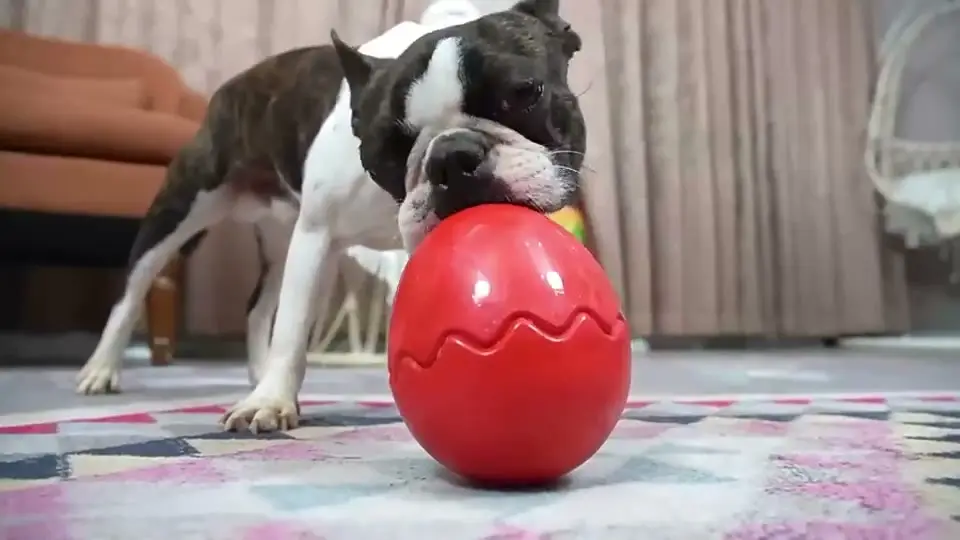
If you like to share small snacks, a lick mat or a treat ball makes a little go further and slows a fast eater down.
Warning: salt poisoning and ham bones
The ASPCA lists salty foods among those to keep from pets, because too much salt causes extreme thirst and urination and can upset the balance of electrolytes in the blood. Signs include vomiting, diarrhea, lethargy, wobbliness, tremors and, in severe cases, seizures. A small dog that eats a large amount of ham or ham drippings is most at risk.
Ham bones are a separate danger. Cooked bones are brittle and can splinter, causing mouth injuries, choking, or a blockage or tear in the gut. Never give a ham bone, and keep the carcass and roasting pan out of reach after the meal.
What to do if your dog ate ham
If your dog snatched a small slice, they will most likely be fine. Make sure fresh water is available and watch for vomiting or diarrhea over the next day. Do not try to make your dog vomit at home unless a vet or poison helpline tells you to.
If they ate a large amount, a whole ham, ham with onion or garlic glaze, drippings, or a bone, call your vet, ASPCA Animal Poison Control at (888) 426-4435 or Pet Poison Helpline at (855) 764-7661 straight away; a consultation fee may apply. Have your dog's weight and a rough idea of how much was eaten ready.
Is any amount of ham okay?
The AKC's view is that a tiny sliver now and then probably will not hurt a healthy dog, but it is not advisable as a treat. If you share at all, keep it to a fingernail-sized piece for dogs under 20 lb and a single bite-sized piece for larger dogs, with no glaze, skin, fat or bone.
Dogs with heart or kidney disease, dogs on a low-sodium diet, overweight dogs and dogs that have had pancreatitis should not have ham at all. Ask your vet if you are unsure which category your dog falls into.
Can puppies eat ham?
No. Puppies are small, so the salt in even a modest piece of ham is a larger dose for their body weight, and their digestion upsets easily. There is nothing in ham a puppy needs that a complete puppy food does not already provide.
If your puppy has eaten ham, watch closely for vomiting, diarrhea, excessive thirst or lethargy, and call your vet if any appear or if the puppy ate more than a small bite. Puppies can become dehydrated quickly.
Signs ham disagreed with your dog, and when to call the vet
Stomach upset from a fatty meal usually shows within a few hours to a day: vomiting, diarrhea, gas or a reduced appetite. Signs of a more serious reaction can take one to four days, and include repeated vomiting, a painful hunched posture, a tender belly, weakness and refusing food.
See your vet the same day if vomiting is repeated, if your dog cannot keep water down, or if they seem in pain. Tremors, wobbliness, extreme thirst or seizures after eating salty food are an emergency and need to be seen immediately.
Keeping dogs safe around the Christmas and Easter ham
Holiday hams are a common reason dogs see a vet in December and at Easter. Carve away from the edge of the counter, keep the ham covered while it rests, and put the bone, rind and drippings straight into a lidded trash can or take them outside.
Tell guests, especially children, that the dog does not get table scraps. Giving your dog a long-lasting chew or a food puzzle with their own kibble during dinner keeps them busy, and a few pieces of plain cooked turkey breast are a far safer way to include them.
Better treats than ham
Plain cooked chicken or turkey breast with no skin, seasoning or bones gives your dog a meaty treat without the salt load. Small pieces of carrot, green beans or cucumber suit dogs watching their weight, and dog treats made for the purpose take the guesswork out of it.
Whatever you choose, keep treats under about 10% of daily calories and introduce anything new in small amounts. If your dog is on a special diet, ask your vet which treats are suitable.
This page is general information, not veterinary advice, and it cannot replace an examination by the vet who knows your pet.
Common questions
Can dogs eat ham bones?
No. Cooked ham bones are brittle and can splinter, causing mouth injuries, choking, or a blockage or tear in the gut. If your dog swallowed a ham bone, call your vet for advice even if they seem fine.
Can dogs eat deli ham?
It is best not to give it. Deli ham is cured and usually high in sodium, often with added flavorings. Plain cooked turkey or chicken breast that you cook yourself is a better choice.
Can dogs eat honey baked ham?
No. On top of the salt and fat, honey-glazed and brown-sugar hams add sugar, and some glazes contain spices or onion and garlic powder. Keep glazed ham, rind and drippings away from your dog.
My dog ate a whole ham, what should I do?
Call your vet, ASPCA Animal Poison Control at (888) 426-4435 or Pet Poison Helpline at (855) 764-7661 now; a fee may apply. A large amount of salty, fatty meat can cause serious illness, and early advice helps.
Sources we checked
This guide is general information, not veterinary advice. If your pet is unwell or injured, contact your veterinarian.