Food safety
Can Dogs Eat Frozen Yogurt? Check Sugar and Xylitol
No, skip commercial frozen yogurt as a dog treat; some products contain xylitol or other ingredients that can poison dogs. The AKC advises against commercial frozen yogurt because of its sugar and warns that dairy does not suit every dog. A little plain yogurt frozen at home is a separate question requiring ingredient and tolerance checks. Do not offer an unknown dessert simply because it is called yogurt.
By Matt GarnettUpdated November 13, 20264 min read4 sources
Separate a frozen dessert from plain yogurt
The AKC distinguishes commercial frozen yogurt from freezing plain yogurt yourself. The commercial dessert may include sweeteners, flavors, and toppings, while a plain product has a simpler ingredient list. Neither description should replace reading the actual label before deciding whether the food fits your dog.
If you are at a shop and cannot establish the full ingredients, decline the dessert for the dog. A small cup sold or offered for pets does not tell you what the recipe contains. Ask your veterinarian about an appropriate occasional reward before making a frozen treat part of your routine.
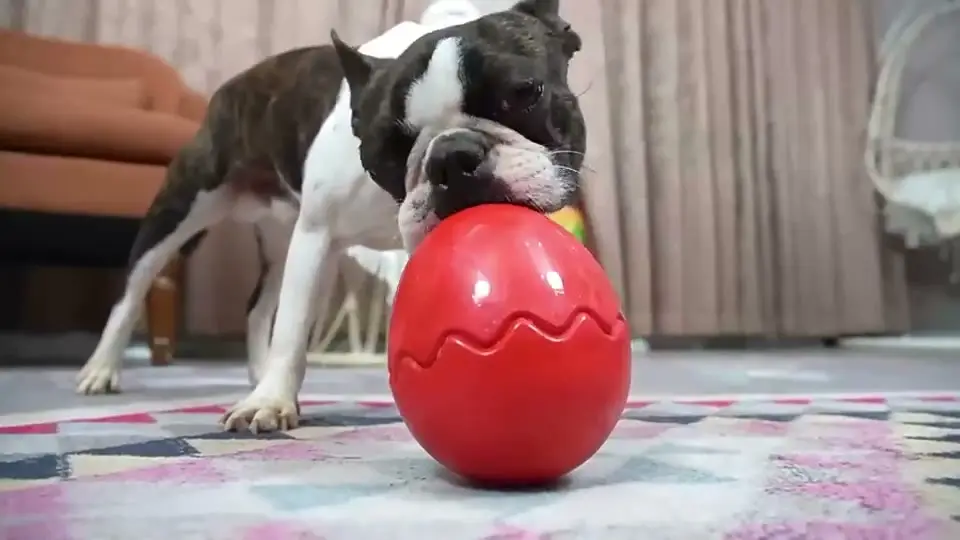
If you like to share small snacks, a lick mat or a treat ball makes a little go further and slows a fast eater down.
Xylitol changes the issue from tolerance to poisoning
The AKC’s frozen-treat guidance specifically warns that some frozen yogurts contain xylitol. The ASPCA explains that this sweetener can trigger insulin release in dogs, leading to dangerous low blood sugar, with liver injury another concern. A sugar-free label is therefore a reason to inspect ingredients carefully rather than a reassurance.
If xylitol is listed or suspected after the dog has eaten a product, call a veterinary professional promptly. Save the container or ask the shop for the recipe and product details. Do not calculate a safe amount or wait for the dog to develop symptoms before arranging advice about that exposure.
Fermentation does not guarantee dairy tolerance
The AKC explains that yogurt contains less lactose than milk, but some dogs still do not tolerate it. Its dairy guidance describes vomiting, diarrhea, loose stools, gas, and abdominal discomfort among possible problems. A dog that has reacted to dairy should not be given repeated samples simply to test whether a frozen version behaves differently.
Stop the food if a reaction occurs and describe the product, timing, and other recent foods to the veterinarian. Symptoms do not establish whether the cause was lactose, another ingredient, or an unrelated illness. Freezing changes the serving form; it does not replace an assessment of the dog’s individual dietary needs.
If plain yogurt is allowed, keep it an optional extra
The AKC mentions freezing plain fat-free yogurt as a possible alternative for dogs that tolerate it. Check with your veterinarian about suitability and use a known product rather than a dessert with an uncertain recipe. Do not add toppings to make it resemble a human serving.
Consider the regular meals and all other rewards before adding another extra. VCA’s feeding guidance emphasizes balanced nutrition and individual needs. A dog on a prescribed diet or being managed for weight or digestive problems may need a different option, even if another household dog enjoys a little plain yogurt.
What to do after a stolen dessert
Remove access and save the label, recipe, or receipt. Note the time, estimated amount, flavors, toppings, and any packaging the dog might have swallowed. For suspected poisoning, call your veterinarian, ASPCA Animal Poison Control at (888) 426-4435, or Pet Poison Helpline at (855) 764-7661; a fee may apply.
Give the dog’s weight in pounds and current symptoms, and explain when details are unknown. Do not induce vomiting or give a home remedy unless directed by a veterinary professional. Weakness, tremors, collapse, seizures, breathing difficulty, or severe distress requires urgent veterinary care rather than an attempt to settle the stomach with another food.
Choose a summer reward before the outing
Plan a suitable reward before visiting an ice-cream stand or gathering where desserts will be served. Tell guests what the dog may have and ask them not to share toppings or leftover cups. Keep drinking water available, and contact the veterinarian about a dog that seems overheated or unwell instead of treating a frozen dessert as medical care.
This page is general information, not veterinary advice, and it cannot replace an examination by the vet who knows your pet.
Common questions
Is sugar-free frozen yogurt a good dog treat?
Do not assume so. Some products contain xylitol, which is dangerous for dogs. Read the complete ingredient list and seek prompt veterinary or poison-control advice if exposure to a concerning sweetener occurred.
Can I freeze plain yogurt for my dog?
The AKC describes plain fat-free yogurt as a possible frozen alternative for dogs that tolerate it. Ask your veterinarian about suitability, check ingredients, and keep it an optional extra rather than a meal.
Does frozen yogurt avoid lactose intolerance?
No. Yogurt contains less lactose than milk, but some dogs still react to it. Freezing does not establish tolerance. Stop the snack and ask your veterinarian about vomiting, diarrhea, or discomfort afterward.
What if my dog ate frozen yogurt with unknown ingredients?
Save any product information and contact your veterinarian. Explain the time, amount, toppings, and dog’s weight in pounds. Do not wait for symptoms if a toxic ingredient may have been present.
Sources we checked
This guide is general information, not veterinary advice. If your pet is unwell or injured, contact your veterinarian.