Food safety
Can Dogs Eat French Toast? Usually No — Here's Why
Usually not: a tiny bite of plain, fully cooked French toast is unlikely to harm a healthy dog, but the typical recipe adds sugar, butter, nutmeg and syrup, and some versions hide raisins or the sweetener xylitol, which can poison dogs. If your dog ate any, call your vet, ASPCA Animal Poison Control at (888) 426-4435 or Pet Poison Helpline at (855) 764-7661; a fee may apply.
By Matt GarnettUpdated November 14, 20264 min read3 sources
Why French toast is not a good treat
French toast is bread soaked in egg and milk and fried in butter. The egg and bread are not poisonous on their own, and the AKC says plain white or wheat bread is generally safe in moderation for a dog eating a complete, balanced diet. The trouble is that bread adds no nutrients a dog's own food does not already provide, and a fried, buttered, sweetened slice is mostly calories.
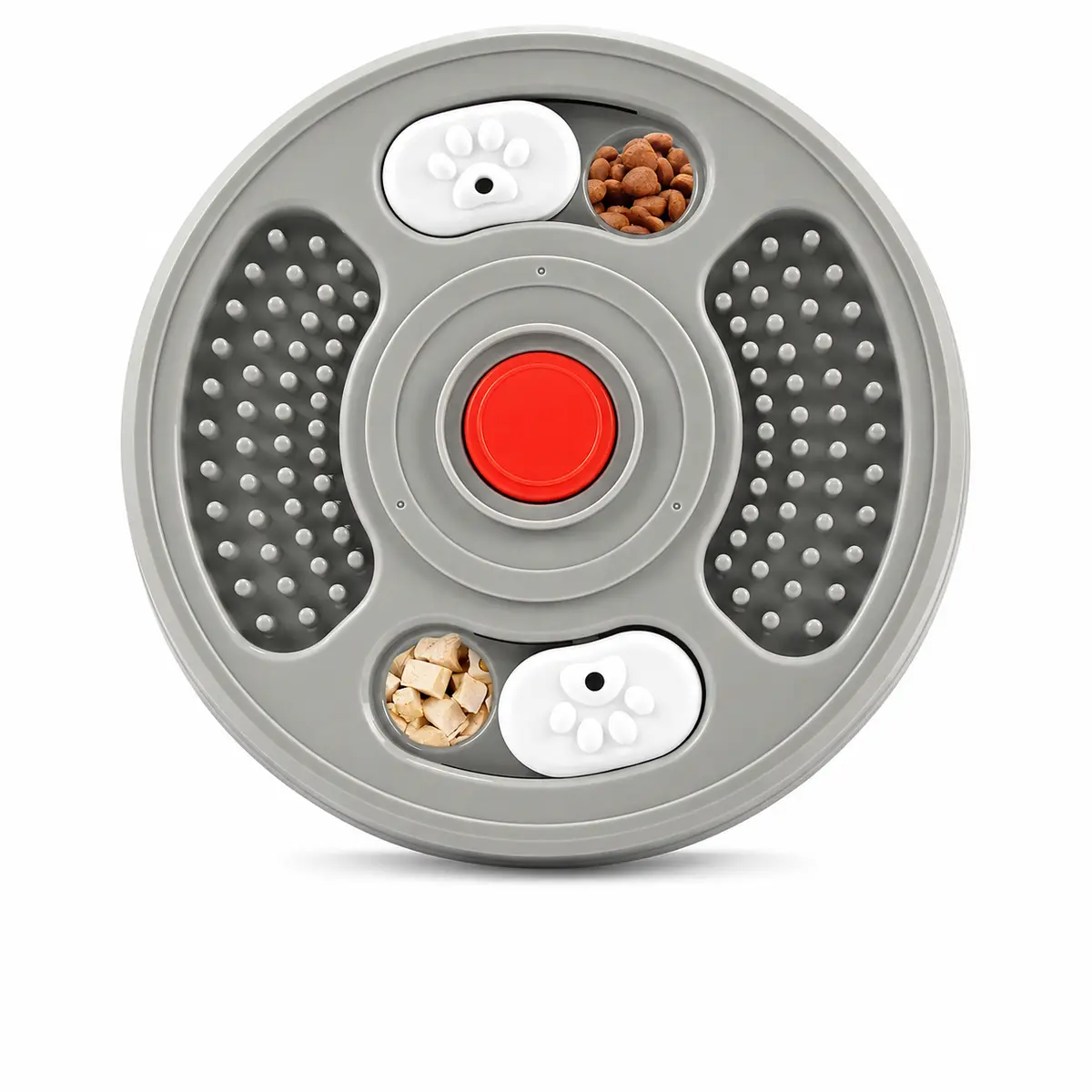
Dogs vary, and a rich breakfast can upset a sensitive stomach. If you are choosing something to share, a slice of French toast is a poor trade compared with a treat made for dogs, such as the lick mat idea below. A lick mat lets a dog work at a smear of something plain for ten minutes instead of eating a slice of your breakfast.
The ingredients that make it risky
Nutmeg is the first problem. It contains myristicin, which the AKC says can cause high blood pressure, hallucinations, a fast heart rate, abdominal pain and even seizures in dogs, and it advises keeping dogs away from nutmeg altogether. A bite of baked goods may have little effect, but there is no safe amount to aim for.
Syrup is the second. The ASPCA lists pancake syrup among the products that can contain xylitol, a sweetener that causes low blood sugar and liver injury in dogs; signs can start within 30 minutes or take up to 12 hours to appear. Always check labels on sugar-free syrup, and never let a dog lick a plate that held it. Raisin bread is a third risk: raisins are highly toxic to dogs, and the AKC advises keeping raisin bread away even if the piece you share has none.
Sugar and butter add less danger but plenty of calories and fat, which can upset a dog's stomach.
What to do if your dog already ate French toast
Work out what was in it: nutmeg, raisins, sugar-free syrup, chocolate chips, or anything cooked with onion or garlic. If it was only a bite of plain toast and your dog is acting normally, watch them over the next day for vomiting or diarrhea. Do not try home remedies unless your vet or poison control tells you to.
If any of the risky ingredients were involved, or you do not know what the syrup contained, call your vet or a poison hotline right away, even if your dog seems fine. Have the packaging, the amount eaten and your dog's weight ready. For xylitol in particular, the ASPCA says to call even when a dog seems normal.
Puppies, seniors and dogs with health conditions
Puppies have small stomachs and are still learning what is food, so a rich slice can cause diarrhea quickly. It is better to build a puppy's taste for its own treats. Senior dogs and dogs with weight or digestive issues are more likely to react to fat and sugar.
Dogs with diabetes should not be given sweet bread products because of the sugar load, and dogs on a prescription diet should only get treats your vet approves.
Signs your dog did not agree with it
Mild upset usually looks like gas, soft stool, a rumbling belly or one episode of vomiting within a few hours. A dog that keeps vomiting, has diarrhea for more than a day, refuses food, hides, or seems tired should see a vet.
Go to a vet or emergency clinic immediately for tremors, stumbling, a racing heart, seizures, collapse, yellowing of the gums or skin, or a swollen belly, especially if nutmeg, xylitol or raisins could be involved. Signs of xylitol poisoning can be delayed, so do not wait for symptoms.
Safer things to give instead
A teaspoon of plain, unsweetened pumpkin or a few pieces of cooked egg are plainer than French toast. For something that lasts longer, spread a small amount of dog-safe food thinly on a lick mat and let your dog work at it; our guide to the best lick mats explains what to look for.
Check any spread for xylitol first: it is in some peanut butters and syrups.
This page is general information, not veterinary advice, and it cannot replace an examination by the vet who knows your pet.
A few pieces of your dog's regular kibble in a treat ball make a safer breakfast reward than a bite of French toast.
Common questions
Can dogs eat French toast sticks?
They are best avoided. Frozen or restaurant sticks are sweetened, often fried and sometimes coated with cinnamon or nutmeg, and may come with sugar-free syrup. A plain homemade bite is a safer choice.
Can dogs eat French toast with syrup?
No. Syrup adds sugar, and sugar-free syrup may contain xylitol, which is toxic to dogs. If your dog ate syrup, call your vet or poison control, even if they seem fine.
Can dogs eat French toast with cinnamon?
A small amount of cinnamon in baked goods is unlikely to hurt, but French toast often has nutmeg too, which is not safe. It is easier to skip both.
Is French toast bad for puppies?
It is not a good choice. A rich, sweet slice can upset a puppy's stomach, and puppies cannot tell which items are unsafe, so keep nutmeg, raisins and syrup out of reach.
Can dogs eat bread?
Plain white or wheat bread is generally safe in small amounts, but raw dough, raisin bread, garlic bread and anything with xylitol are dangerous.
Sources we checked
This guide is general information, not veterinary advice. If your pet is unwell or injured, contact your veterinarian.