Food safety
Can Dogs Eat Cream Cheese? A Little Plain Is OK
Yes, in small amounts. A dab of plain cream cheese is unlikely to harm a healthy dog, and many owners use it to hide a pill. It is very high in fat, though, and the American Kennel Club warns that fatty cheese can lead to pancreatitis. Flavored spreads are the bigger risk: chive and onion, garlic and herb, and everything-bagel cream cheese contain onion-family ingredients that are toxic to dogs, and some light or sweetened spreads may contain xylitol.
By Matt GarnettUpdated November 13, 20264 min read2 sources
Why plain cream cheese is OK in small amounts
Cream cheese is soft, mild and spreadable, which makes it easy to wrap around a tablet or smear inside a chew toy. The AKC says cheese is a good way to conceal pills for dogs that need medication, and a fingertip of plain cream cheese is enough for that.
Cheese carries less lactose than milk, the AKC notes, but dogs with severe lactose intolerance may still react, even to small amounts. Cream cheese is a fresh, unaged cheese, so it holds more lactose than hard cheeses such as cheddar, which is another reason to keep portions small.
Fat: the reason to keep it small
Cream cheese is mostly fat. The AKC warns that cheese is high in fat, that regular feeding can lead to weight gain and obesity, and that fatty cheese can cause pancreatitis, which can be serious and potentially fatal. A bagel smear for you is a large dose of fat for a 15 lb dog.
Reduced-fat or neufchatel cream cheese is a little lighter, but still rich. The AKC suggests mozzarella, cottage cheese or soft goat cheese if you want a lower-fat cheese for regular use.
Flavored cream cheese and xylitol
Chive and onion, garlic and herb, scallion, everything-bagel and veggie cream cheeses all contain onion-family ingredients. The AKC notes some cheeses contain toxic ingredients such as garlic, onions and chives, and the ASPCA warns these can damage red blood cells. Sweet versions such as strawberry or honey-walnut add sugar, and some light or reduced-sugar spreads may use xylitol.
If your dog ate a flavored spread with chives, onion or garlic, or one sweetened with xylitol, call your vet, the ASPCA Animal Poison Control Center at (888) 426-4435 or Pet Poison Helpline at (855) 764-7661; a fee may apply. Cheesecake, frosting and cream cheese dips also bring sugar and fat.
How to use cream cheese for a dog
For a pill, wrap the tablet in an amount about the size of the tip of your little finger, offer a plain dab first, then the one with the pill, then another plain one so your dog swallows without checking. Ask your vet first whether the medicine can be given with food.
For a chew toy, smear a thin layer inside a rubber toy and freeze it so it lasts longer. Always use plain, full-ingredient-checked cream cheese, and keep the tub covered in the fridge.
How much cream cheese by dog size
As a guide for a healthy adult dog: under 20 lb, about a quarter teaspoon; 20 to 50 lb, up to half a teaspoon; over 50 lb, up to a teaspoon. A few times a week at most, and count it as part of the day's treats.
Skip it for dogs that are overweight, have had pancreatitis or have a sensitive stomach. The AKC advises seeing a vet first if your dog has obesity or food sensitivities.
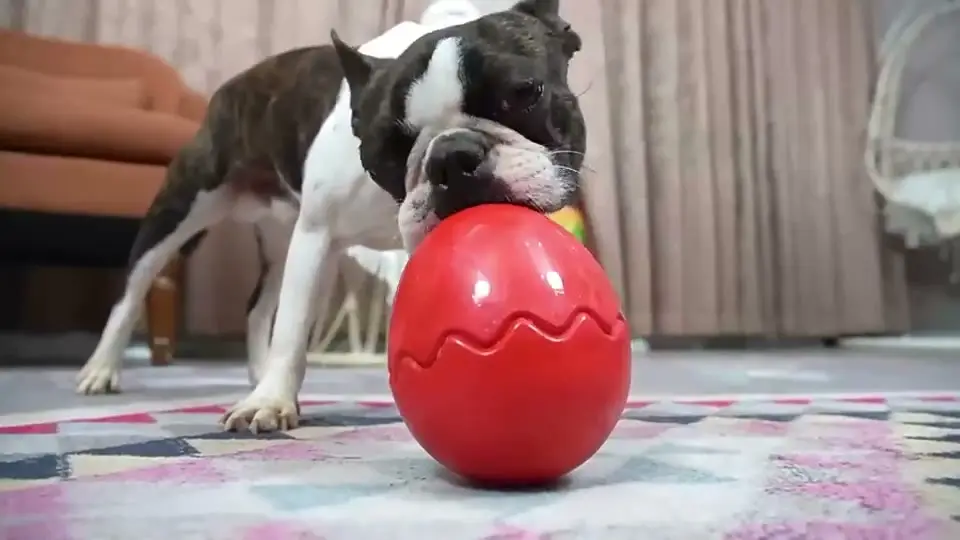
If you like to share small snacks, a lick mat or a treat ball makes a little go further and slows a fast eater down.
Puppies and cream cheese
Puppies do not need cream cheese, and its fat and lactose make it an easy way to cause diarrhea in a young stomach. If you need to hide a tablet for a puppy, a tiny smear the size of a pea is enough.
Avoid flavored spreads completely around puppies, and keep bagels and dips out of reach, since a puppy is more likely to eat the whole thing, packaging included.
Signs it disagreed with your dog, when to call a vet, and alternatives
Mild upset usually shows within a day as gas, softer stool or diarrhea. Stop the cream cheese and the stool usually settles within a day or two. Call your vet the same day if vomiting repeats, your dog hunches or seems sore in the belly, or stops eating.
Go to a vet immediately for weakness, wobbling or collapse after a spread that may contain xylitol. For lower-fat treats, try plain canned pumpkin, a cube of mozzarella or carrot coins, or ask your vet about pill pockets made for dogs.
This page is general information, not veterinary advice, and it cannot replace an examination by the vet who knows your pet.
Common questions
Can dogs eat Philadelphia cream cheese?
Plain original cream cheese is fine in a small dab. Avoid flavored versions such as chive and onion or garlic and herb, which contain ingredients that are toxic to dogs.
Can I use cream cheese to give my dog a pill?
Yes, a small amount of plain cream cheese is a common way to hide a tablet. Check with your vet that the medicine can be given with food, and use only a fingertip amount.
Can dogs eat chive and onion cream cheese?
No. Chives and onions belong to the onion family, which can damage a dog's red blood cells. If your dog ate some, call your vet or a poison helpline.
Can dogs eat cream cheese frosting?
It is best not to. Frosting is mostly sugar and fat and can upset a dog's stomach, and some recipes use xylitol. Call your vet if the frosting contained xylitol or chocolate.
Can dogs eat a bagel with cream cheese?
Plain bagel and plain cream cheese in a small bite are unlikely to harm a dog, but everything, onion and garlic bagels are not safe. Keep portions tiny and skip seasoned bagels.
Sources we checked
This guide is general information, not veterinary advice. If your pet is unwell or injured, contact your veterinarian.