Food safety
Can Dogs Eat Corn on the Cob? No — The Cob Can Block the Gut
No, dogs should never eat corn on the cob. The kernels are fine in small amounts, but the cob itself is one of the most common causes of intestinal blockage in dogs. A dog will happily chew a cob into chunks that are too big to pass and too tough to digest, and the AKC and VCA both warn against it. If your dog swallowed a cob or a large piece of one, call your vet today.
By Matt GarnettUpdated November 13, 20264 min read3 sources
Why the cob is dangerous and the kernels are not
Plain corn kernels are a common dog food ingredient, and the AKC describes them as safe in small amounts as an occasional treat. The problem is entirely the cob. It is dense, fibrous and absorbent, and stomach acid barely breaks it down, so chunks travel intact into the narrow small intestine.
There they can lodge and cause a blockage, which stops food and fluid passing and can damage the gut wall. The AKC human-foods guide says plainly never to give a dog corn on the cob, and VCA warns that some dogs gulp a cob whole. A blocked intestine often needs surgery.
If your dog ate a corn cob: what to do now
Take any remaining cob away, work out roughly how much is missing, and call your vet the same day even if your dog seems fine. Small dogs, puppies and any dog that swallowed a large piece are at the highest risk. Your vet may want an X-ray or an exam to judge whether the piece is likely to pass.
Do not try to make your dog vomit at home, since a cob coming back up can lodge in the esophagus. Do not give oil, bread or laxatives to push it through. Watch closely for the signs below over the next few days, because a blockage can take a day or more to show.
Signs of a blockage, and when it is an emergency
The AKC lists repeated vomiting, loss of appetite, lethargy, dehydration, reduced activity and diarrhea as signs to watch. Many dogs also strain without passing stool, pass very little, or have a tender belly and seem unwilling to lie down. Signs can start within hours or take two to three days.
Repeated vomiting, especially of water, a painful or swollen belly, or a dog that will not eat or seems flat is an emergency: go to the nearest open vet clinic. Do not wait for it to pass on its own. Early surgery or treatment gives a much better outcome than waiting.
How to serve corn safely, and how much
Cut kernels off a plain, cooked cob and let them cool. Serve them plain, without butter, salt, chili-lime seasoning, mayonnaise or cheese, since the AKC notes those add fat and sodium that can upset the stomach. A few kernels can be scattered in a snuffle mat or mixed into a meal.
Keep corn under about 10 percent of daily calories. For a dog under 20 lb, a teaspoon of kernels is plenty. For a dog of 20 to 50 lb, one to two tablespoons, and over 50 lb, up to about a quarter cup. Offer it as an occasional treat, not a daily habit.
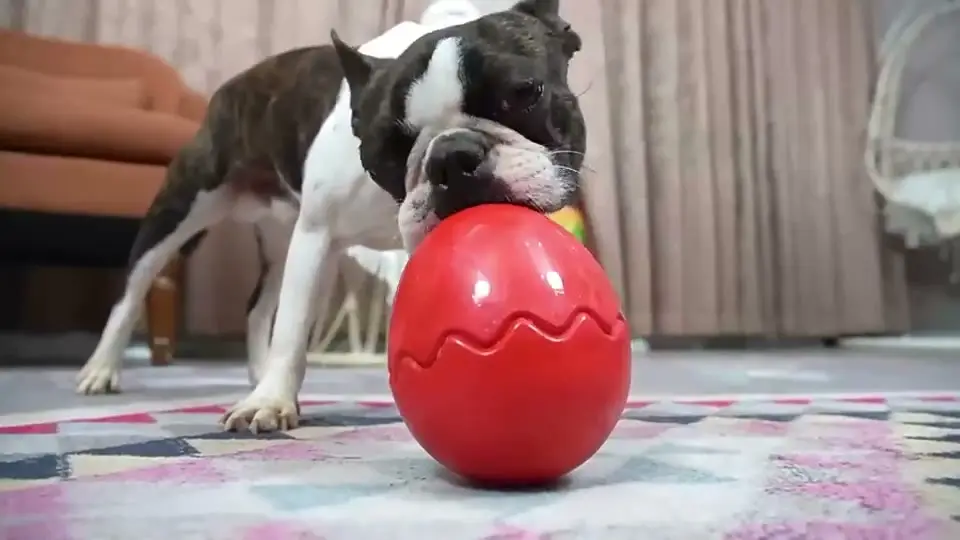
If you like to share small snacks, a lick mat or a treat ball makes a little go further and slows a fast eater down.
Fourth of July cookouts and summer barbecues
Corn on the cob is a fixture at Fourth of July cookouts, Labor Day barbecues and summer picnics, which is when vets see most cob blockages. Gnawed cobs end up on low plates, in open trash bags and dropped on the lawn, and a dog can grab one in seconds.
Before guests arrive, set out a lidded trash can and ask people to put cobs straight in it, not on paper plates left on chairs. Keep your dog away from the grill and food table, and give it its own treat instead. Corn with butter and salt from the grill is best skipped too.
Puppies, safer alternatives and what to avoid
Puppies chew everything and are small enough that even a short piece of cob can block their gut, so keep cobs well away from them. Plain kernels are fine for puppies in tiny amounts once they are on solid food. Dogs with corn allergies should avoid corn altogether.
For a chew, choose one made for dogs and sized for yours, and supervise. For a vegetable treat, plain green beans, carrot coins or cucumber are low-calorie options. Never give a whole cob as a toy, even to a dog that has never swallowed one before.
This page is general information, not veterinary advice, and it cannot replace an examination by the vet who knows your pet.
Common questions
Can dogs eat corn kernels?
Yes. Plain, cooked kernels cut off the cob are safe in small amounts as an occasional treat. Skip butter, salt and seasonings, and keep the portion small so it does not upset your dog's stomach.
Will a corn cob pass through a dog?
Sometimes small pieces pass, but cobs are a well-known cause of intestinal blockage and it is not safe to assume one will. Call your vet if your dog swallowed any cob, and watch for vomiting, belly pain or loss of appetite.
How long after eating a corn cob will a dog show symptoms?
Signs of a blockage can appear within a few hours or take two to three days, depending on where the piece lodges. Repeated vomiting, not eating and a tender belly are the most common signs.
Can dogs eat creamed corn or canned corn?
Plain canned corn rinsed of salt is fine in small amounts. Creamed corn usually contains butter, cream, sugar and salt, which can upset the stomach. Plain kernels are the better choice.
Can dogs chew on corn cobs as a toy?
No. Dogs tend to break cobs into pieces and swallow them, and those pieces can block the intestines. Give a chew toy designed for dogs instead and throw cobs away in a lidded can.
Sources we checked
This guide is general information, not veterinary advice. If your pet is unwell or injured, contact your veterinarian.