Food safety
Can Dogs Eat Corn? Kernels Yes, the Cob Never
Yes, dogs can eat plain corn kernels in small amounts, but they should never have a corn cob. The kernels are an ordinary grain that many dog foods already contain. The cob is the danger: dogs chew off chunks that do not break down, and those pieces are one of the most common causes of intestinal blockages that need surgery. Cut the kernels off, serve them plain, and put the cobs straight into a closed trash can.
By Matt GarnettUpdated November 13, 20264 min read2 sources
Why corn kernels are fine for dogs
Corn is a common ingredient in commercial dog food, and plain kernels are not toxic. They supply carbohydrate, a little protein and some fiber. The AKC says plain kernels cut off the cob are safe in small amounts as an occasional treat, which is the right way to think about them.
Corn is not a dog superfood, though. It is fairly starchy, and a dog that eats a big bowl of kernels gets a lot of calories with little benefit. Some dogs pass kernels through mostly undigested, which looks alarming in the yard but is not harmful in itself.
Why the cob is dangerous
A corn cob is fibrous and absorbent, and a dog's stomach cannot break it down. Dogs tend to gulp chunks of it, which then travel into the narrow small intestine and stop. The ASPCA reports corn cobs are among the objects dogs swallow most often, and removing one usually means abdominal surgery.
Cobs are also hard to see on X-ray, so diagnosis can take longer. The ASPCA's own case involved a one-year-old dog who vomited the night he found a cob on a walk, then had bad breath and lethargy the next day; surgery took about two hours. Treat any cob a dog has eaten as an emergency.
Corn on the cob at 4th of July cookouts
Summer cookouts are when most corn cob emergencies happen. A dog under the picnic table, a paper plate on the lawn or an open trash bag by the grill is all it takes. Ask guests not to feed the dog, and keep a lidded trash can for cobs, bones and skewers well out of reach.
If you want your dog to share the meal, slice a few kernels off a plain, unbuttered ear before it hits the table. Skip buttered, salted or seasoned corn, Mexican street corn with chili and cheese, and anything cooked with garlic. A frozen chew toy keeps a dog busy while people eat.
How to serve corn, and how much
Cut kernels from a plain cooked ear, or use plain frozen or canned corn rinsed of salt. Creamed corn, corn casserole and cornbread carry butter, sugar and dairy and are best left off the dog's plate. Plain air-popped popcorn is fine as a few pieces; buttered popcorn is not.
Keep treats under about 10% of daily calories. For healthy adult dogs: under 20 lb, a teaspoon of kernels; 20–50 lb, a tablespoon; over 50 lb, up to two tablespoons. Mix them into the regular meal rather than serving a separate bowl.
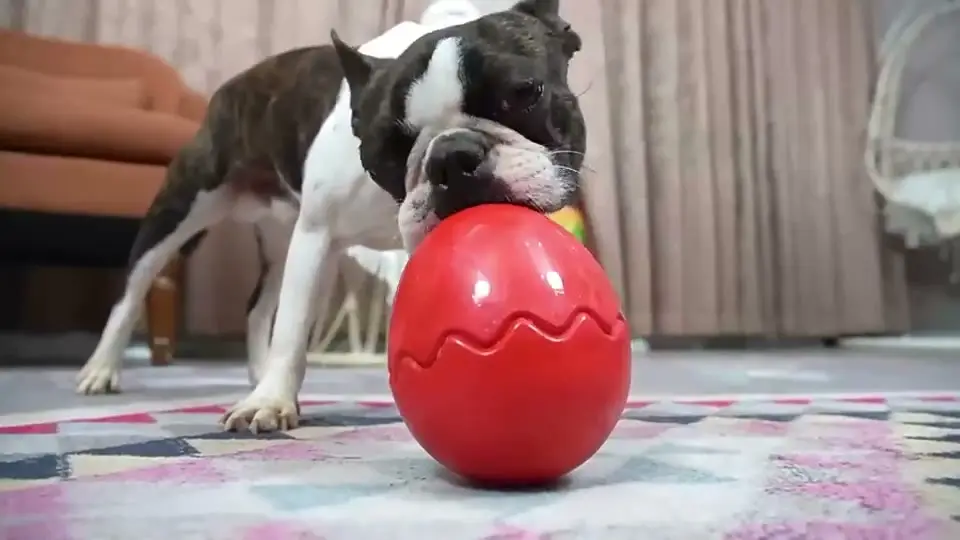
If you like to share small snacks, a lick mat or a treat ball makes a little go further and slows a fast eater down.
Puppies and corn
Puppies can have a few soft, plain kernels once they are eating solid food, but there is little reason to offer more. Their stomachs upset easily and they get everything they need from a complete puppy food, so corn is purely a taste treat.
Puppies are the most likely to steal and chew a cob, because they mouth everything. A teething puppy may treat a cob as a toy, and even a chewed piece small enough to swallow can block a small intestine. Clear the yard and patio after a meal outdoors.
Signs of a corn cob blockage and when to call a vet
Call your vet right away if you know or suspect your dog swallowed cob pieces, even before signs appear. A vet may be able to act while the cob is still in the stomach. Do not try to make your dog vomit at home, because a cob can lodge in the throat on the way up.
The AKC lists repeated vomiting, loss of appetite, lethargy, reduced activity, diarrhea and dehydration as signs after a dog swallows a cob. Straining with no stool, a tender belly, or vomiting after every drink means get seen today. Signs can take one to three days to show.
Safer alternatives to corn
Plain green beans, carrot sticks and peas give dogs a vegetable crunch without the cob risk. For chewing, give a dog a chew made for dogs and sized for them, never a cob, a bone from the grill or a corn husk. Husks and silk are not toxic but can upset the stomach.
This page is general information, not veterinary advice, and it cannot replace an examination by the vet who knows your pet.
Common questions
Can dogs eat corn on the cob?
No. Dogs can eat kernels cut off the cob, but the cob itself can cause choking and intestinal blockages that often need surgery. Never give a dog a cob to chew, even under supervision.
What should I do if my dog ate a corn cob?
Call your vet straight away, even if your dog seems fine. Do not make your dog vomit at home. Watch for vomiting, lethargy, no appetite or straining, which can appear over one to three days.
Can dogs eat canned corn?
Plain canned corn is fine in small amounts if you rinse off the salty liquid. Avoid creamed corn and seasoned or buttered varieties, which add fat, sugar and salt dogs do not need.
Can dogs eat popcorn?
A few pieces of plain, air-popped popcorn are fine. Butter, salt, caramel and cheese coatings are not, and unpopped kernels can crack teeth or get stuck in gums.
Is corn bad for dogs with allergies?
Corn is a less common food allergen in dogs than proteins such as beef or chicken, but some dogs do react to it. If your dog has a diagnosed food allergy, ask your vet before sharing.
Sources we checked
This guide is general information, not veterinary advice. If your pet is unwell or injured, contact your veterinarian.