Food safety
Can Dogs Eat Chicken Gizzards? Yes, Plain and Cooked
Yes, in small amounts: plain, fully cooked chicken gizzards can be an occasional treat for most healthy dogs. A gizzard is an organ meat, so keep portions small, and skip the fried, breaded or seasoned kind sold in restaurants and delis, which often carries onion, garlic, salt and a lot of fat.
By Matt GarnettUpdated November 13, 20265 min read4 sources
The short answer on gizzards for dogs
A gizzard is the muscular part of a chicken's stomach, and plain, cooked gizzard is simply cooked chicken organ meat. The American Kennel Club says unseasoned roasted, poached, grilled or baked chicken can be served alone, mixed into a meal or given as a treat, and the ASPCA says small amounts of lean cooked meat free of bones and seasoning are fine. None of the veterinary pages we read discuss gizzards by name, so this page applies the same principles to them.
In practice that means plain, small and cooked. Gizzards are chewy, which makes them a good size and texture for a reward, and a few pieces can also be pressed into a lick mat so a short snack lasts longer. Keep reading for how to prepare them and what to avoid.
Why portions should stay small
Organ meats are concentrated. VCA Animal Hospitals notes that by-products like liver are more nutrient-dense than skeletal meats such as chicken breast or steak. That is useful in a balanced pet food, but it is also a reason not to pile gizzards into a bowl as a main meal. A treat is not meant to replace a complete diet.
The ASPCA advises that snacks should equal no more than five percent of a dog's daily calories, so a few small pieces are plenty. It also warns that people food tends to be high in fat and sugar, and that too much fat can lead to pancreatitis. Dogs that have had pancreatitis or that are on a vet-directed diet should not get extras without checking with the vet.
Raw or cooked gizzards?
Cook them. AKC notes that most sources recommend against raw chicken because of the risk of salmonella and other bacteria, and gizzards come from the same bird.
Cooked gizzards are firm and easy to cut into small pieces. They should be cooked all the way through, with no pink in the middle, and cooled before you offer them.
How to cook and serve gizzards
Rinse the gizzards, trim away any hard membrane, and simmer them in plain water until fully cooked and tender. Do not add salt, onion, garlic, stock cubes or seasoning to the pot. Cool them, then chop them into pieces that suit your dog's size: for a dog under 20 lb, pieces about the size of a pea; for 20 to 50 lb, about the size of a blueberry; over 50 lb, a thumbnail-sized piece.
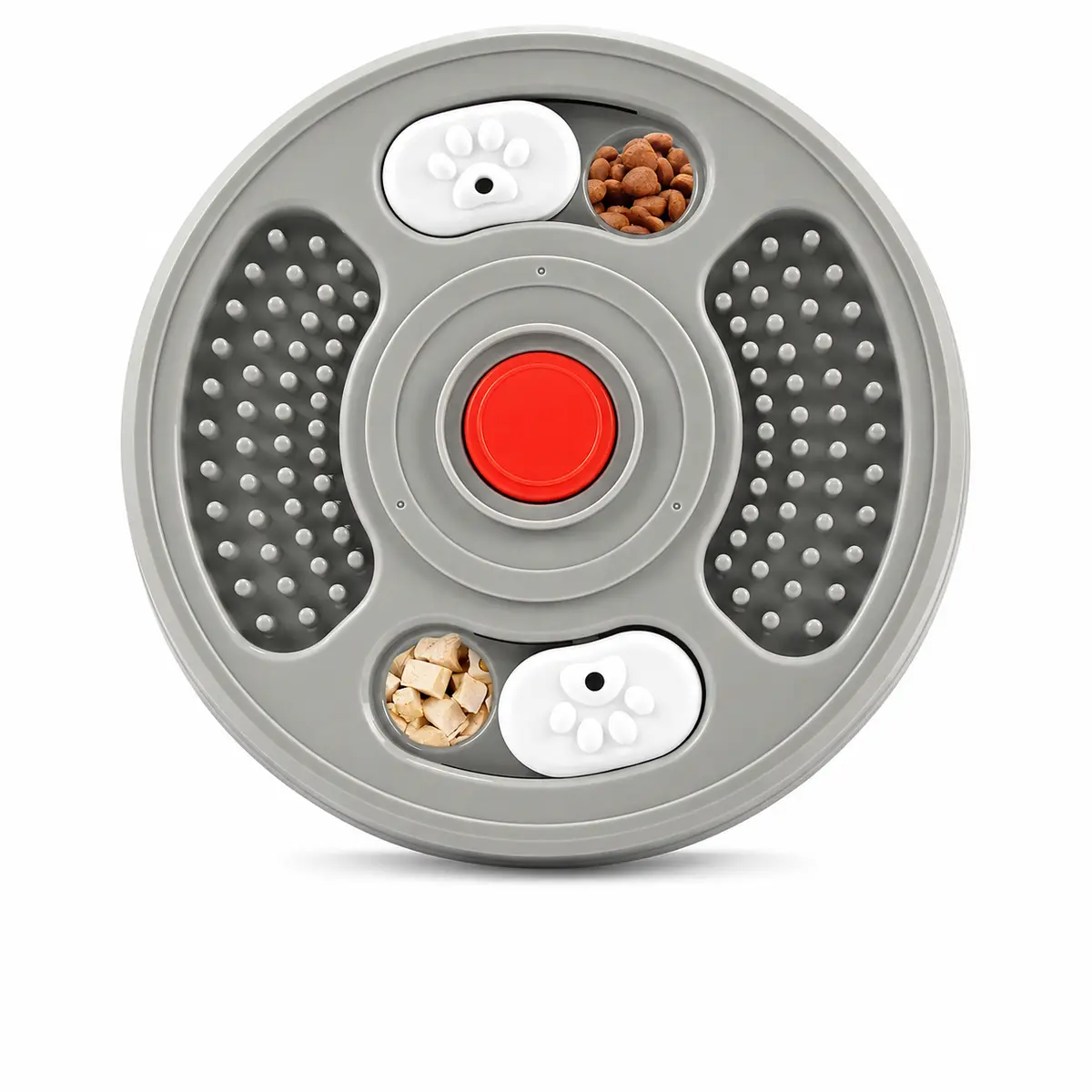
As a plain-terms guide, two or three small pieces suit a dog under 20 lb, a few suit a dog of 20 to 50 lb, and a small handful at most suits a dog over 50 lb, a few times a week at the very most. You can use them as training rewards, or press a few into a silicone lick mat for dogs or a round silicone slow feeder mat to make mealtime last longer.
Fried, breaded and seasoned gizzards are a no
Fried gizzards from a restaurant or deli are a different food. The breading, the frying oil and the seasoning make them much fattier and saltier, and many seasoning blends contain onion and garlic. Pet Poison Helpline says onions and garlic can be deadly to pets if ingested in a large enough quantity, and that garlic is about five times as potent as onion.
Pet Poison Helpline also describes a dog that licked up fried-chicken oil seasoned with garlic and onion powder and needed treatment for vomiting, with monitoring for pancreatitis and damage to red blood cells. If your dog eats fried or seasoned gizzards, call your vet. You can also call the ASPCA Animal Poison Control Center at (888) 426-4435 or Pet Poison Helpline at (855) 764-7661; a fee may apply.
Puppies and dogs with health conditions
Puppies can have a few tiny pieces of plain, fully cooked gizzard as a reward, but they do not need them, and rich food can upset a young stomach. Introduce any new food in a very small amount, and keep their main diet steady.
Dogs with pancreatitis, kidney or liver disease, allergies or a prescription diet should not get gizzards unless the vet agrees. Organ meat is rich, so ask your vet before adding it to a dog with a medical condition. For everyday plain chicken, see our guide on whether dogs can eat chicken.
Signs gizzards did not agree with your dog, and when to call the vet
After a new treat, watch for vomiting, loose stools or diarrhea, a swollen or painful belly, drooling or lack of appetite. Mild stomach upset after a new food can happen, so stop the gizzards and offer your dog's normal food in small amounts.
Call your vet the same day if signs last more than a day, if your dog vomits repeatedly, seems painful, or is lethargic, or if the gizzards were fried, breaded or seasoned. Call right away if your dog is struggling to breathe or collapses. For more ways to make treats last, browse our lick mats.
This page is general information, not veterinary advice, and it cannot replace an examination by the vet who knows your pet.
Common questions
Can dogs eat raw chicken gizzards?
It is safer to cook them. AKC notes that most sources recommend against raw chicken because of the risk of salmonella and other bacteria. Simmer gizzards in plain water until fully cooked, then cool and chop them.
Can dogs eat fried chicken gizzards?
No. Fried gizzards are breaded, oily and usually seasoned, and onion and garlic seasoning can be dangerous to dogs. Plain, fully cooked gizzards in small amounts are the safer choice.
How many chicken gizzards can I give my dog?
Keep it to a few small pieces as a treat, scaled to your dog's weight. The ASPCA advises that snacks be no more than five percent of daily calories, and organ meat is rich, so less is better.
Are chicken gizzards good for dogs?
Plain cooked gizzards are a reasonable occasional treat for healthy dogs. VCA notes that organ meats are nutrient-dense, but a treat should not replace a balanced diet, so ask your vet if you want to feed them regularly.
Can puppies eat chicken gizzards?
Puppies can have a few tiny pieces of plain, fully cooked gizzard as a reward, but they do not need them. Rich food can upset a young stomach, so start with a very small amount and ask your vet if unsure.
Sources we checked
This guide is general information, not veterinary advice. If your pet is unwell or injured, contact your veterinarian.