Food safety
Can Dogs Eat Catnip? Yes, a Pinch Is Safe for Most Dogs
Yes, dogs can eat catnip in small amounts. The plant, Nepeta cataria, is not considered poisonous to dogs, and a dog that steals a sniff or a nibble from the cat's toy is not in danger. Most dogs do not get the rolling, euphoric reaction cats do, and some seem a little calmer or simply uninterested. A large mouthful can still upset the stomach, and catnip-stuffed toys bring a choking risk of their own. Here is how much is reasonable and what to watch for.
By Matt GarnettUpdated November 13, 20265 min read2 sources
Is catnip toxic to dogs?
No. The American Kennel Club lists catnip among nontoxic plants, and the ASPCA's plant database lists it as a concern for cats, not dogs. Even for cats, the problems it describes are vomiting and diarrhea, the kind of mild digestive upset that comes from eating too much of a leafy plant rather than from a true poison.
The AKC adds an important caution that applies to every nontoxic plant: a pet can still react badly, through an individual sensitivity or because the plant was treated with fertilizer or pesticide. Garden catnip that has been sprayed is a bigger concern than the herb itself.
What catnip does to dogs
The compound in catnip that excites cats, nepetalactone, works on a cat's scent receptors. Dogs generally do not respond the same way. Many sniff it and walk off; a few roll in it or seem briefly more relaxed. There is no reliable evidence that it treats anxiety or any other condition in dogs, so it is best thought of as a harmless curiosity.
Because the reaction is so mild, there is no reason to offer catnip to a dog deliberately. The more common situation is a dog getting into the cat's supply, which is why the practical questions are how much was eaten and what it was packaged in.
Catnip toys and sprays are the bigger risk
Cat toys are designed for small mouths and gentle play. A dog can tear one open in seconds and swallow the fabric, stuffing, plastic eyes or bells inside, and those pieces can cause choking or a blockage in the gut. That risk is greater than anything the dried herb inside can do.
Catnip sprays and oils are concentrated and may contain alcohol or other carriers, so they are not the same as a pinch of leaf. Keep cat toys, sprays and bags of dried catnip in a closed cupboard, and give your dog its own sturdy chew toys instead.
How much catnip is too much
A few dried leaves or a sniff from a toy are fine for any dog. As a rough guide, a pinch, no more than about a quarter teaspoon of dried catnip, is plenty for a dog under 20 lb, half a teaspoon for 20 to 50 lb, and up to a teaspoon for a dog over 50 lb.
Beyond that, the usual result is a stomach upset. A dog that has eaten most of a bag of dried catnip or a large amount of fresh plant from the garden will probably vomit or have loose stool. Watch them for the rest of the day and keep fresh water available.
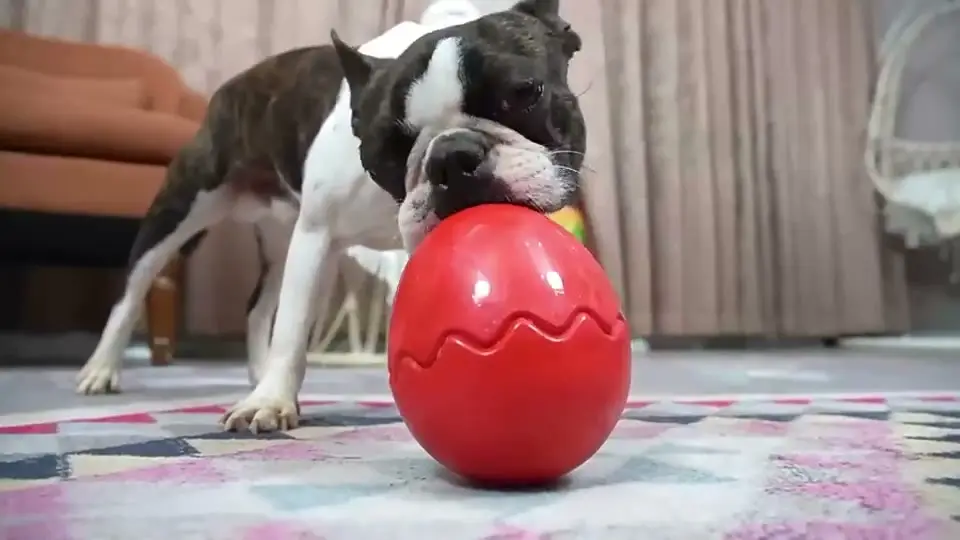
If you like to share small snacks, a lick mat or a treat ball makes a little go further and slows a fast eater down.
Puppies and catnip
Catnip is no more poisonous to puppies than to adult dogs, but puppies are more likely to overdo it and more likely to swallow whatever the herb comes in. A small puppy that chews up a cat toy is at real risk of swallowing fabric or stuffing.
If a puppy has eaten catnip, check the toy or bag to work out how much is missing, and look for pieces of packaging. A small amount of the herb needs nothing more than watching; a missing chunk of toy is a reason to call your vet.
When to call a vet
Expect nothing more than mild vomiting or diarrhea after a large helping of catnip, usually within a few hours and settling within a day. Call your vet if vomiting repeats, diarrhea is bloody or your dog stops eating or drinking.
Signs that point to a swallowed toy rather than the herb include repeated retching, drooling, a painful belly, straining without passing stool or lethargy, sometimes a day or two later. Those need a vet the same day. If a spray or oil product was swallowed, call ASPCA Animal Poison Control at (888) 426-4435; a fee may apply.
Better options for your dog
If you want to give a dog a sensory treat, snuffle mats, scatter feeding and food-stuffed rubber toys tap into the sniffing and foraging dogs love, without the risk of tearing open a toy made for a cat.
For calm, steady routines such as regular exercise, chew time and a quiet resting spot work better than any herb. If your dog seems anxious or restless, talk to your vet about the cause.
This page is general information, not veterinary advice, and it cannot replace an examination by the vet who knows your pet.
Common questions
Is catnip bad for dogs?
No, catnip is considered nontoxic to dogs. Eating a lot can cause vomiting or diarrhea, and the toys it comes in can be a choking or blockage risk, but a small amount of the dried or fresh herb is not dangerous.
Does catnip calm dogs down?
Some owners notice a dog seems slightly more relaxed after sniffing catnip, but most dogs show little reaction at all. There is no good evidence it treats anxiety, so speak to your vet if your dog is regularly stressed or restless.
What happens if my dog eats a catnip toy?
The herb inside is not the main concern; the fabric, stuffing and small parts are. Watch for vomiting, retching, drooling, a painful belly or straining, and call your vet the same day if any appear or a large piece is missing.
Can dogs eat catnip plants from the garden?
A nibble of the plant is fine. Problems are more likely if the garden was treated with fertilizer, slug bait or pesticide, which can be far more dangerous than catnip. If you are unsure what was used, call your vet.
Is catmint the same as catnip for dogs?
Catmint is a close relative in the same plant group and is also generally considered low risk. As with catnip, a large mouthful can upset the stomach, so discourage your dog from grazing on garden plants.
Sources we checked
This guide is general information, not veterinary advice. If your pet is unwell or injured, contact your veterinarian.