Food safety
Can Dogs Eat Caramel Popcorn? Skip the Coating
No, dogs should not eat caramel popcorn; some mixes also contain poisonous additions such as chocolate or xylitol. Plain caramel is not itself classified as a poison, but Pet Poison Helpline advises against caramel corn because its sugar and fat can upset the stomach and raise pancreatitis concerns. After a theft, check the full mix and packaging instead of assuming all caramel-coated popcorn presents the same exposure.
By Matt GarnettUpdated November 13, 20264 min read3 sources
Keep the coating and possible add-ins distinct
Pet Poison Helpline specifically advises against caramel popcorn. It distinguishes the sugar-and-fat concern in ordinary caramel from separate toxic additions that may appear in a mix. That distinction keeps the advice accurate: an unsuitable rich snack does not have to be described as chemically identical to a chocolate-containing product.
Check the exact flavor and ingredients, including drizzle, nuts, candies, and any separate packets. A holiday assortment can contain several mixtures in one tin. Photograph the container before discarding anything, and tell the veterinary professional whether the dog reached a known compartment or whether more than one variety may be missing.
Why the ingredient list can change the urgency
AKC explains that chocolate contains stimulants including theobromine and caffeine, while xylitol can produce a dangerous drop in a dog’s blood sugar and may damage the liver. Raisins can cause acute kidney injury. These are reasons to identify additions promptly rather than relying on the familiar appearance of the popcorn coating.
Do not assume every nut is the same or that sugar-free means safer for the dog. Read the label in full and report any uncertain ingredient. If the packaging is missing, explain where the food came from and save photographs or a recipe when available. Do not postpone a call while trying to reconstruct a perfect ingredient list.
Kernels and packaging need attention too
AKC’s popcorn advice warns about unpopped kernels because they can damage teeth or present a choking hazard. Pet Poison Helpline also notes the separate concern of swallowed wrappers in caramel incidents. Tell the veterinarian if the dog may have eaten a bag, foil, a liner, or another part of the container.
Move the remaining food and packaging out of reach. Look at what is left without searching deeply inside the dog’s mouth or repeatedly offering food to test swallowing. Difficulty breathing or active choking requires emergency veterinary help. A food’s ingredients alone cannot answer a question about a swallowed object.
Make the call with a useful exposure history
Note when access occurred, estimate the amount missing, and have the dog’s weight in pounds ready. Describe health conditions, medications, current symptoms, and whether other party food was accessible. State when an estimate is uncertain rather than converting the size of the container into a confident amount swallowed.
Call your veterinarian, ASPCA Animal Poison Control at (888) 426-4435, or Pet Poison Helpline at (855) 764-7661; a fee may apply. Follow their instructions about the next step. Do not induce vomiting or give human medication on your own; the appropriate response depends on the actual food, any packaging, and the individual dog.
Observe changes without deciding on a diagnosis
Pet Poison Helpline describes vomiting, diarrhea, appetite loss, low energy, and abdominal pain among concerning changes after rich caramel foods. Toxic additions can produce different signs. Contact the clinic about changes after an exposure, and seek emergency care for collapse, seizures, severe weakness, or trouble breathing.
A normal appearance immediately afterward does not establish that no care is needed. Equally, vomiting does not prove pancreatitis or a particular poisoning. Record what you see and when it begins, then give that history to the professional assessing the dog. Do not keep feeding the snack or use another food as a home treatment.
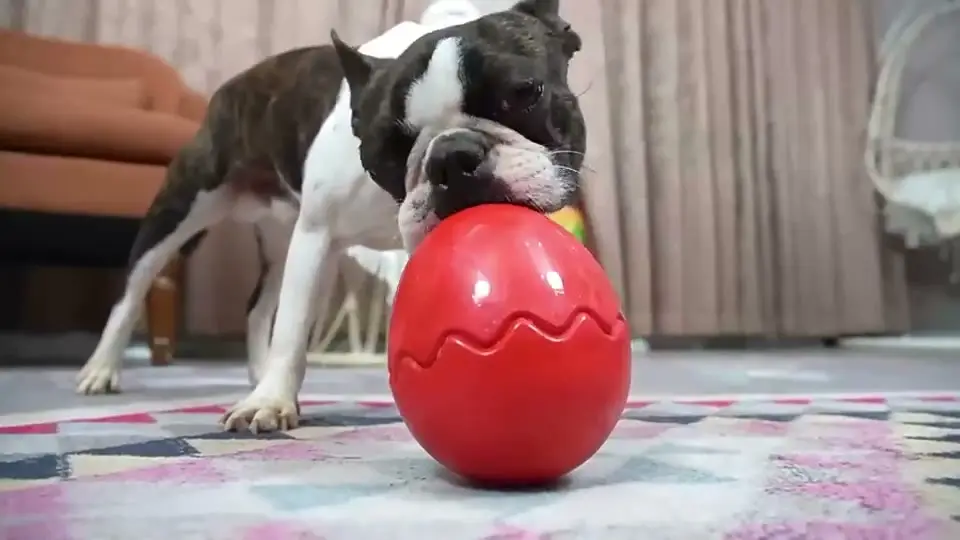
If you like to share small snacks, a lick mat or a treat ball makes a little go further and slows a fast eater down.
Plan the holiday snack area before opening the tin
Keep caramel corn and gift assortments behind a closed barrier, and put bags and liners in secure trash. Tell guests and children which rewards the dog may receive. If an optional snack is appropriate, ask the veterinarian about a plain permitted alternative. The ASPCA lists popcorn without seasoning or butter among possible pet treats, while complete dog food should remain the main diet.
This page is general information, not veterinary advice, and it cannot replace an examination by the vet who knows your pet.
Common questions
Is plain caramel itself the same as chocolate poisoning?
No. Pet Poison Helpline distinguishes ordinary caramel’s sugar-and-fat concerns from toxic additions such as chocolate. Keep the distinction accurate while still avoiding caramel popcorn as a dog treat and checking the whole product.
What if the popcorn mix is sugar-free?
Read the full ingredient list immediately and report any xylitol or uncertainty to a veterinary professional. Sugar-free is not a safety claim for dogs, and the appropriate response depends on the actual ingredients.
Should I worry about the popcorn bag too?
Tell the veterinarian whether packaging may be missing, alongside the food details. A swallowed object creates a separate concern that cannot be assessed solely from whether the caramel coating contains a toxic ingredient.
Can I wait until my dog looks ill before calling?
Call for individual guidance after a concerning or uncertain exposure rather than relying on a normal appearance. Keep the label, timing, estimated amount, and dog’s weight ready so the professional can assess the incident.
Sources we checked
This guide is general information, not veterinary advice. If your pet is unwell or injured, contact your veterinarian.