Food safety
Can Dogs Eat Cake? Keep Human Bakery Treats Away
No, do not share human cake with dogs; some recipes contain toxic ingredients. AKC advises keeping human bakery items away from dogs and distinguishes them from treats made with suitable ingredients. Chocolate cake creates a particular poisoning concern, while other cakes need their own ingredient check. After an accidental bite, retain the recipe or package and contact your veterinarian about concerning ingredients, uncertainty, or signs of illness.
By Matt GarnettUpdated November 13, 20264 min read4 sources
The recipe matters more than the celebration
AKC’s birthday-cake guidance advises against giving dogs human bakery products because ingredients can be unsafe. This applies to the cake, filling, frosting, and decorations together. A familiar flavor or a small-looking slice cannot establish the ingredients in a particular dessert.
Keep the box and ingredient panel until the gathering is over. For a homemade cake, save the recipe and any substitutions rather than relying on its name. If someone offers the dog a bite, ask exactly which part it was and when it happened so the veterinary history is useful.
Chocolate cake needs prompt professional advice
Pet Poison Helpline explains that chocolate contains theobromine and caffeine, which affect a dog’s nervous system and heart. The amount, type of chocolate, dog’s weight, and medical history all influence the assessment. Do not assume baking removes that concern.
Call your veterinarian promptly about chocolate cake. For suspected poisoning, ASPCA Animal Poison Control is available at (888) 426-4435 and Pet Poison Helpline at (855) 764-7661; a fee may apply. Report the finished cake and chocolate ingredients, and do not wait for tremors or other illness before seeking advice.
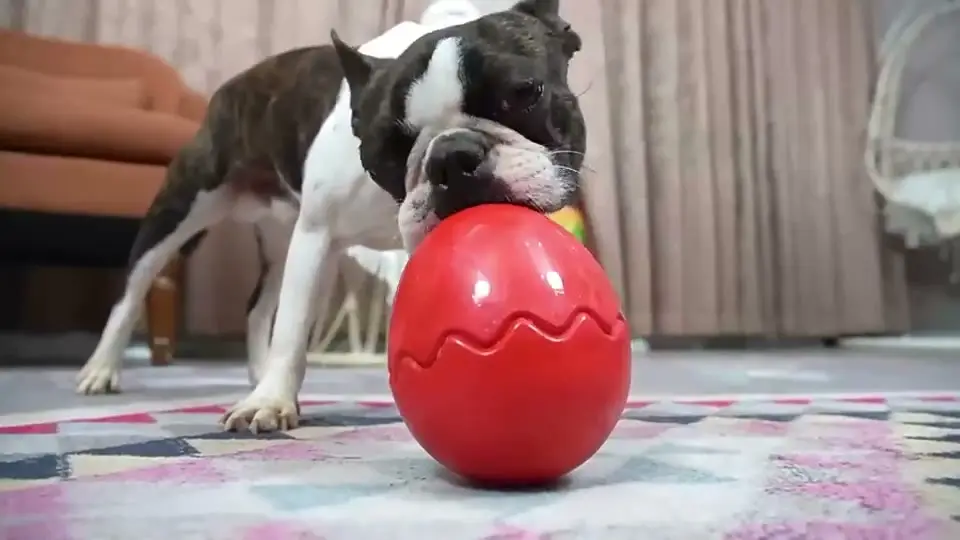
If you like to share small snacks, a lick mat or a treat ball makes a little go further and slows a fast eater down.
A cake without chocolate still needs a label check
ASPCA identifies xylitol as a sweetener that can cause dangerous low blood sugar and possible liver damage in dogs. It also warns about raisins and macadamia nuts. A label such as sugar-free or a fruit-based cake name is therefore not a substitute for reading the recipe.
Dairy ingredients may also cause digestive upset in pets. Tell your veterinarian about all additions rather than stopping at the first reassuring ingredient. If the recipe is unavailable, describe that uncertainty and the estimated amount eaten; do not invent a list based on how the cake tasted.
A dog celebration does not require human dessert
AKC distinguishes a dog-specific treat made from appropriate ingredients from a human bakery cake. If you plan a special treat, review the complete recipe with your veterinarian when your dog has dietary restrictions. A decorative shape does not override the animal’s existing food requirements.
Keep candles, serving items, and decorations away while the dog receives its agreed reward. Tell guests which food is intended for the dog and which is for people. Clear plates and store leftovers before attention moves to another part of the celebration, including wrappers that might still smell of food.
Keep rewards within the ordinary calorie allowance
VCA advises keeping dog treats within ten percent of total daily calories to reduce excess intake and nutrient imbalance. A birthday does not remove the need to count every extra. Record rewards offered by different people rather than assuming the portion in your hand is the only one.
You can use part of the dog’s usual kibble as a reward, as VCA suggests, or provide a familiar game and attention. Follow individualized instructions for a dog with a prescribed diet. Do not replace a normal meal with cake to make room for an otherwise unsuitable dessert.
Have an exposure history ready for the veterinarian
Remove access and note the time, estimated quantity, recipe, and your dog’s weight in pounds. Describe vomiting, diarrhea, unusual restlessness, weakness, tremors, or other changes. These observations help a professional assess the situation; they are not a diagnosis you can make from a cake exposure alone.
Seizures, breathing difficulty, collapse, or severe illness require emergency veterinary attention. Do not attempt medicines or induce vomiting unless a veterinary professional specifically directs it. Follow the instructions for the actual exposure, including whether the dog should be examined and what changes require another immediate call.
This page is general information, not veterinary advice, and it cannot replace an examination by the vet who knows your pet.
Common questions
Can dogs eat a little birthday cake made for people?
Avoid offering it. AKC advises against human bakery products for dogs because unsafe ingredients may be present. Use the complete recipe to assess an accidental taste rather than relying on the celebration or flavor.
Is chocolate cake safer because it has been baked?
No. Pet Poison Helpline warns that chocolate cake can poison dogs. Contact your veterinarian promptly with the cake ingredients, estimated amount, timing, and your dog’s weight instead of waiting for symptoms.
Is a sugar-free cake suitable for dogs?
Do not assume so. Check the ingredient list, particularly for xylitol, which ASPCA identifies as a cause of dangerous low blood sugar and possible liver damage in dogs. Seek prompt advice after exposure.
Can a dog-specific cake replace normal dog food?
No. A celebration treat remains an extra, and VCA emphasizes keeping treats within the ordinary calorie allowance. Keep complete and balanced food central and follow existing individual dietary instructions.
What should guests give my dog at a birthday party?
Set out the reward you have already agreed is appropriate and ask everyone to use it. Keep track of all extras and offer familiar play or attention as part of the celebration.
Sources we checked
This guide is general information, not veterinary advice. If your pet is unwell or injured, contact your veterinarian.