Food safety
Can Dogs Drink Beer? No — Alcohol and Hops Are Toxic
No. Beer can poison a dog, so if yours drank some, call your vet, the ASPCA Animal Poison Control Center at (888) 426-4435 or Pet Poison Helpline at (855) 764-7661 now; a fee may apply. The ASPCA says alcohol can cause vomiting, incoordination, breathing trouble, tremors, coma and death, and is absorbed quickly. Beer also contains hops, which the ASPCA lists as toxic to dogs, causing panting, high body temperature and seizures. There is no safe amount to give.
By Matt GarnettUpdated November 13, 20264 min read3 sources
What to do right now if your dog drank beer
Take away the can, bottle or cup and check what it was: regular beer, a strong craft beer, a hard seltzer or a mixed drink. Estimate how much is missing and when, and know your dog's weight. Then call your vet or a poison line straight away.
The ASPCA notes that alcohol is absorbed quickly, so pets exposed to it need prompt veterinary care. Do not wait to see whether your dog gets wobbly, do not make your dog vomit at home unless told to, and do not give coffee or anything else to sober them up.
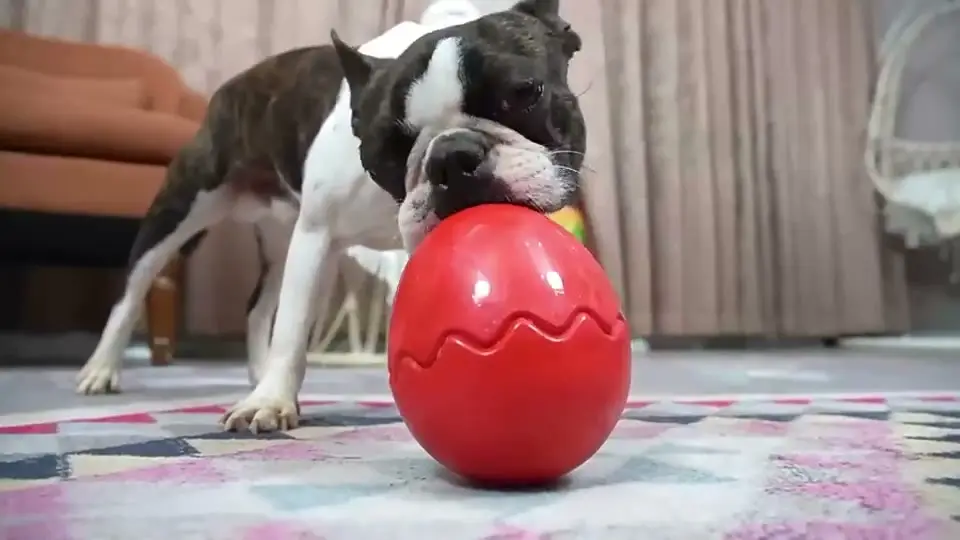
If you like to share small snacks, a lick mat or a treat ball makes a little go further and slows a fast eater down.
Why alcohol is so dangerous for dogs
A dog's body is far smaller than a person's, so a few laps of beer is a much larger dose for its size. The ASPCA says alcoholic drinks and foods containing alcohol can cause vomiting, diarrhea, incoordination and depression, along with difficulty breathing, tremors, changes in blood acidity, coma and even death.
VCA describes the range the same way: pets can go from stumbling and vomiting to severe symptoms such as coma and death. Strong craft beers, wine, spirits and cocktails carry more alcohol per sip than light beer, but none of them is safe.
Hops: the second toxin in beer
Beer is brewed with hops, and the ASPCA's plant database lists hops as toxic to dogs. The signs it gives are panting, high body temperature, seizures and death. The toxic principle is unknown, which is part of why no amount is considered safe.
That matters for home brewers. Used hops and spent hop pellets in the trash or compost are a common source, and dogs find them appealing. Keep brewing supplies and waste sealed and out of reach, and call your vet if your dog ate any.
Signs of alcohol poisoning, and how soon they appear
Because alcohol is absorbed quickly, signs can appear within an hour: wobbling or stumbling, drooling, vomiting, restlessness or unusual sleepiness, and a slow or confused response to their name. Some dogs urinate more or lose bladder control.
Go to a vet immediately for slow or difficult breathing, trembling, seizures, collapse, cold body temperature or a dog you cannot rouse. After hops, watch especially for heavy panting and a body that feels very hot. Even if signs seem mild, stay in touch with your vet for the next several hours.
Beer at cookouts, tailgates and parties
Most dogs that drink beer do it at a party: a cup left on a low table, a spilled can on the grass, or a guest who thinks it is funny. Ask guests not to share drinks with your dog, keep cups up high, and pour spills away rather than leaving them for the dog to lick.
Fourth of July and game-day gatherings bring other risks at the same time, such as grilled bones, corn cobs and fatty food. If you will be busy hosting, a quiet room with water, a chew and a closed door is often the safest place for your dog.
Puppies and small dogs
Puppies and toy breeds are at the greatest risk, because the same lap of beer is a far bigger dose for a tiny body. Puppies also investigate cups and cans with their mouths and may drink more before anyone notices.
If a puppy or small dog drank any beer, treat it as an emergency and call straight away. Keep a puppy away from party areas until the drinks are cleared, and check the floor and yard afterward for cans and cups.
Dog-safe drinks instead of beer
Fresh, cool water is all a dog needs, and a second water bowl outdoors helps on hot days. Products sold as dog beer are non-alcoholic broths made for dogs; check that the label lists no alcohol, hops, onion or garlic before buying one.
For a party treat, freeze a little plain, low-sodium broth with no onion or garlic in an ice cube tray, or offer a chew toy filled with your dog's usual food.
This page is general information, not veterinary advice, and it cannot replace an examination by the vet who knows your pet.
Common questions
How much beer is toxic to a dog?
There is no safe amount to give. Size, the strength of the beer and the hops all matter, so call your vet or a poison line about any amount your dog drank.
My dog licked some beer. Should I worry?
A lick from a spill in a large dog is unlikely to cause serious harm, but call your vet or a poison line for advice, especially for a small dog or a strong beer.
Can dogs drink non-alcoholic beer?
It is best avoided. Non-alcoholic beer can still contain a little alcohol and hops, which are toxic to dogs. Choose a drink made for dogs or plain water.
Are hops toxic to dogs?
Yes. The ASPCA lists hops as toxic to dogs, with signs such as panting, high body temperature and seizures. Keep brewing hops and spent hops out of reach.
How long does alcohol poisoning last in dogs?
Signs can start within an hour and may last many hours, and severe cases can be fatal. Get your dog to a vet promptly rather than waiting for it to wear off.
Sources we checked
This guide is general information, not veterinary advice. If your pet is unwell or injured, contact your veterinarian.