Food safety
Can Dogs Eat Anchovies? Choose Plain Cooked Fish
Yes, plain cooked anchovies may be an occasional extra for a dog when prepared appropriately and compatible with its usual diet. AKC includes anchovies among fish dogs can enjoy, while its fish guidance emphasizes cooking, removing bones, and avoiding added oils or seasonings. That answer does not cover a salty pizza topping, a smoked product, or a whole raw fish. Identify the preparation before deciding whether to share any.
By Matt GarnettUpdated November 13, 20264 min read4 sources
An anchovy is not the same thing as an anchovy topping
AKC’s salmon article includes anchovies in its list of other suitable fish for dogs. The same discussion advises cooking fish thoroughly and avoiding raw or smoked products. Use that preparation context rather than treating the species name as blanket permission for everything sold with anchovies on the label.
Check whether the fish is fresh, canned, smoked, or already part of a meal. Keep the package so you can read the ingredients rather than relying on its appearance. If the only available option is an uncertain topping or mixed dish, use a familiar permitted reward instead of trying to remove the other ingredients.
Prepare fish carefully and check for bones
AKC’s general fish guidance describes small brittle bones as a hazard because they can lodge in the mouth or digestive tract and cause injury. Remove bones rather than assuming that a small fish cannot cause trouble. Cook the fish plainly and let it cool before offering a manageable piece under supervision.
Inspect the actual portion you intend to share, and clear preparation waste promptly. If you cannot confidently prepare a suitable piece, do not offer it. Ask the veterinarian about an appropriate texture when the dog has dental or swallowing difficulties, since the feeding question involves more than whether the fish species is acceptable.
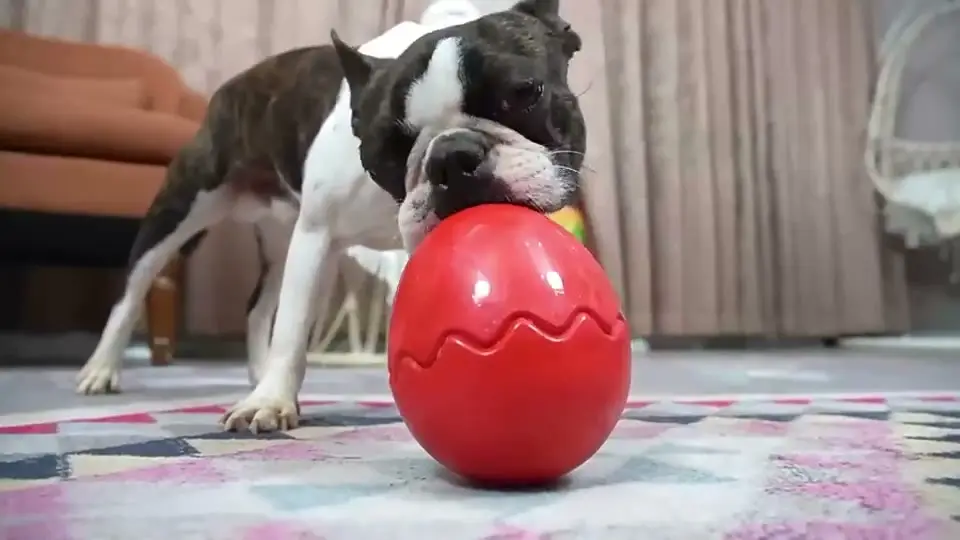
If you like to share small snacks, a lick mat or a treat ball makes a little go further and slows a fast eater down.
Read the whole label on a preserved product
AKC’s people-food guidance recommends unsalted, unseasoned fish packed only in water when choosing canned fish for dogs. Do not assume an anchovy tin meets those conditions. Read the ingredients and packing description before opening it, and avoid adding the liquid from an unfamiliar product to the dog’s bowl.
Sauces and family recipes need their own assessment. Save a photo of the full label and the completed recipe if the dog eats something unexpectedly. Tell the veterinarian what else may have been swallowed rather than describing a pizza or prepared spread only as fish; the actual preparation determines what information the clinic needs.
Keep the fish within the place of an occasional reward
AKC explains that dogs eating appropriate complete food do not need table scraps for extra nutrition. An occasional anchovy portion should not become an improvised fish diet. Do not add supplements or change the main food simply because an ingredient is described as nutritious in a general article.
VCA’s feeding guidance emphasizes matching complete nutrition to the individual dog. Discuss any extras when the dog follows a prescribed diet or has an existing health concern. For a puppy, start with the growth diet and ask the clinic about suitable rewards; an adult dog’s habits do not determine a young animal’s needs.
Observe tolerance without turning it into a food test
Introduce an approved extra modestly, without several other unfamiliar foods at the same time. Stop if vomiting, diarrhea, appetite changes, or unusual behavior follows, and explain the timing to the veterinarian. A reaction after a meal cannot identify its cause at home, so do not keep offering more fish to confirm a suspicion.
Ask for advice before using anchovies during a food trial or after a previous reaction to fish. Provide the product label, usual food, other treats, and relevant medical history. This helps the clinic assess the actual situation rather than relying on the fact that a different dog ate a similar snack without a visible problem.
Report accidental swallowing or illness promptly
If your dog swallows fish bones, packaging, or an unfamiliar prepared product, contact the veterinarian with the time, estimated amount, and dog’s weight in pounds. Repeated vomiting, apparent abdominal pain, difficulty breathing, collapse, or marked weakness needs prompt attention. Do not give human medicine or try to make the dog vomit without professional instructions.
This page is general information, not veterinary advice, and it cannot replace an examination by the vet who knows your pet.
Common questions
Can dogs eat anchovies straight from any tin?
No. Check the full label rather than assuming all tins are equivalent. AKC recommends canned fish that is unsalted, unseasoned, and packed only in water; ask the veterinarian about the actual product.
Can dogs eat raw anchovies?
Use fully cooked fish instead. AKC warns that raw fish can carry harmful bacteria and advises thorough cooking. An acceptable fish species does not make every raw preparation appropriate for a dog.
Do small anchovy bones need attention?
Yes. AKC describes fish bones as potential lodging and injury hazards. Do not assume a fish is too small to matter; remove bones and contact the veterinarian after an accidental concerning ingestion.
Can anchovies replace my dog’s normal food?
No. Treat guidance is not a complete feeding plan. Keep appropriate complete dog food as the foundation and discuss any major dietary change with your veterinarian, including homemade fish-based meals.
Sources we checked
This guide is general information, not veterinary advice. If your pet is unwell or injured, contact your veterinarian.