







Dogs
Calming aids for dogs
Calmer days, quieter nights.
11 items picked for everyday life with your pet, with shipping estimates on every item.
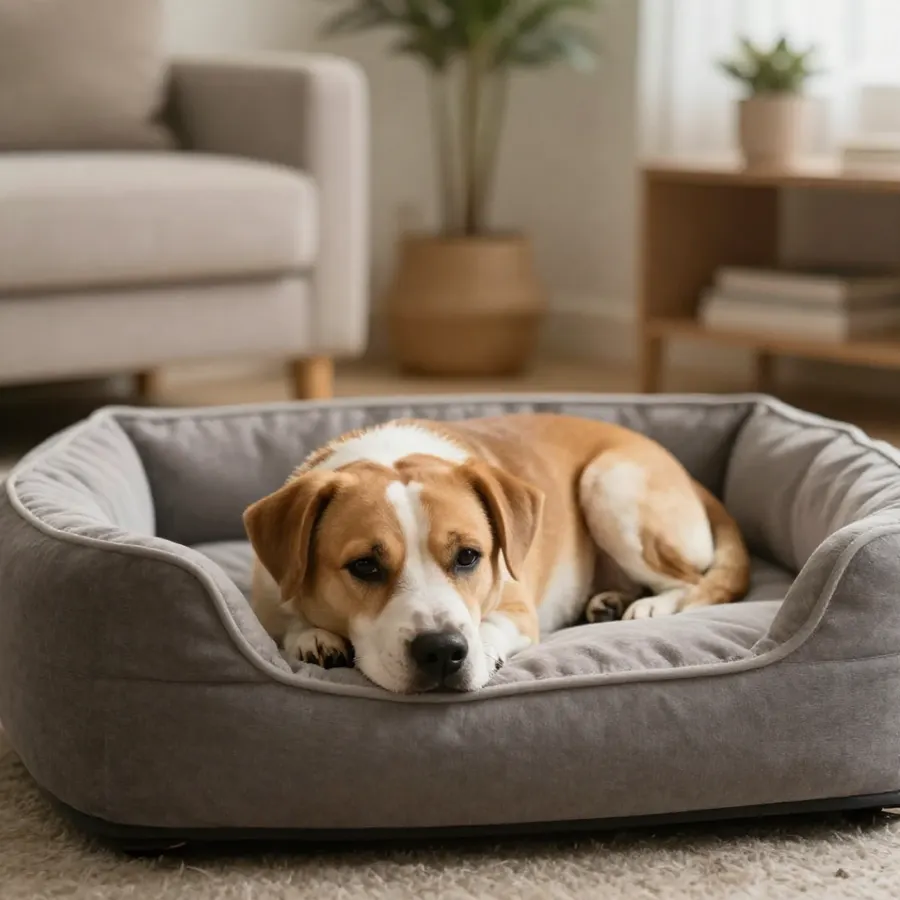 A little help to feel at ease.
All dogs health & comfort →Dog life jackets →Dog ear muffs →Dog wheelchairs →Dog anxiety vests →Dog cone alternatives →Dog knee braces →Dog back braces →Dog calming pheromones →
↗Tracked US shippingEstimates on every item↶Returns & refundsHow it works♡Here to helpTalk to Giddy Pets
All calming aids for dogs
Little essentials. Lots of love.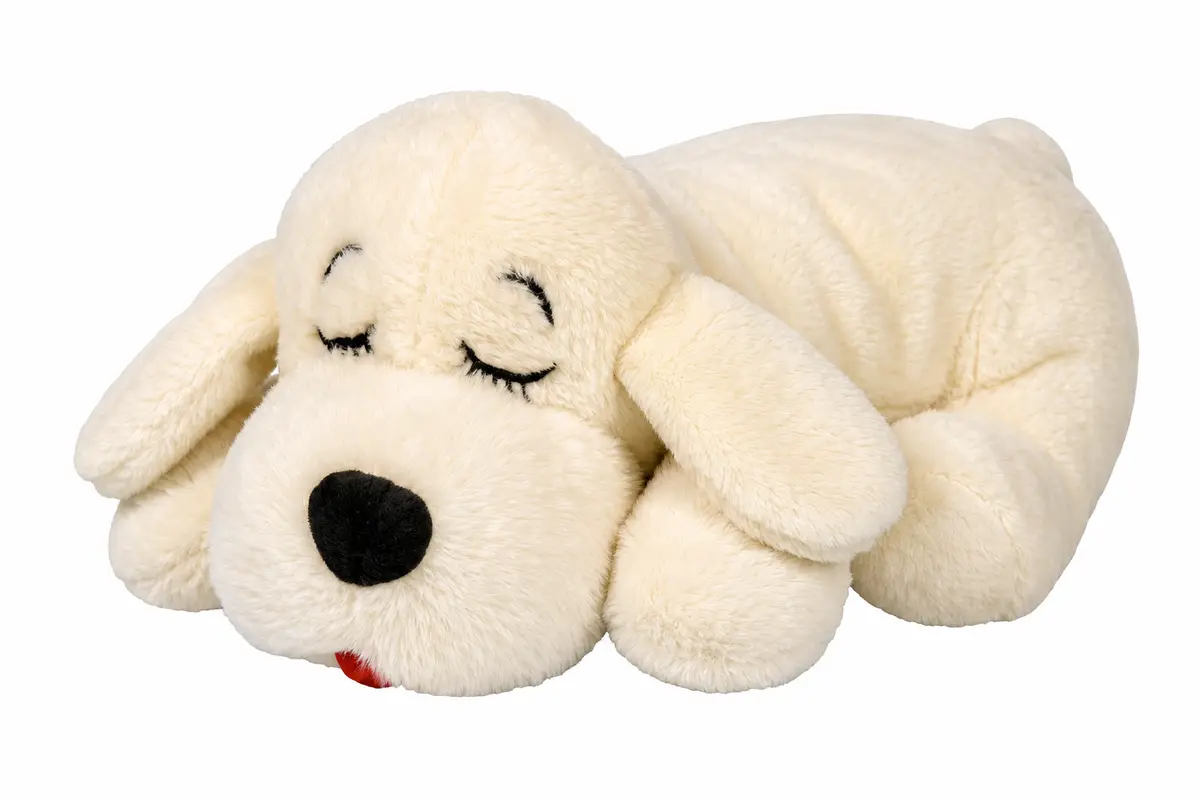




Dog anxiety vests
Wrap Dog Vest with Fleece Hood and Reflective Strips
- Options
- 14 to choose from
From $18.99


A little guidance
Help choosing calming aids for dogs
Buying guides and care advice written for this range: what to measure, what matters and what to skip.
From our guides
- Best Calming Products for Dogs: What Helps and What Doesn't →
- Do Calming Collars Work for Dogs? →
- Anxiety in Dogs: How to Calm and Train an Anxious Dog →
- Natural Remedies for Dog Anxiety: What Helps and What to Skip →
- Are Calming Chews Safe for Dogs? →
- Best Calming Aids for Dogs: What the Evidence Supports →
This page brings together calming aids for anxious dogs: a hooded anxiety vest, noise-reducing snoods and ear-covering head wraps, pheromone calming collars, a heartbeat comfort toy for puppies, a calming bubble-plush blanket and an open pet tent that works as a hideaway den. It is for dogs who struggle with fireworks, thunderstorms, car trips, vet visits or time alone, and owners looking for gentle support alongside training.
What anxiety looks like
The AKC lists signs such as lip licking, yawning when not tired, pulled-back ears, avoiding eye contact, a tucked tail and panting when not hot. Other dogs pace, hide, tremble, drool, bark, or chew and scratch at doors when left alone.
Knowing what sets your dog off, whether it is thunder, the doorbell, the car or your coat going on, helps you choose the right tool and plan training around it. Keeping a short diary of episodes is often more useful than guessing.
Wraps, vests and noise-reducing snoods
Anxiety vests and wraps apply gentle, steady pressure around the chest, which many owners find settles their dog during storms and fireworks. Fit is key: snug, but loose enough to slide two fingers under, and never left on unsupervised for long periods.
Snoods and head wraps cover the ears to muffle loud sounds. They suit dogs bothered by fireworks, vacuum cleaners or grooming dryers. Introduce them on calm days first, with treats, so your dog links them with good things rather than with the scary event.
Pheromone collars, comfort toys and blankets
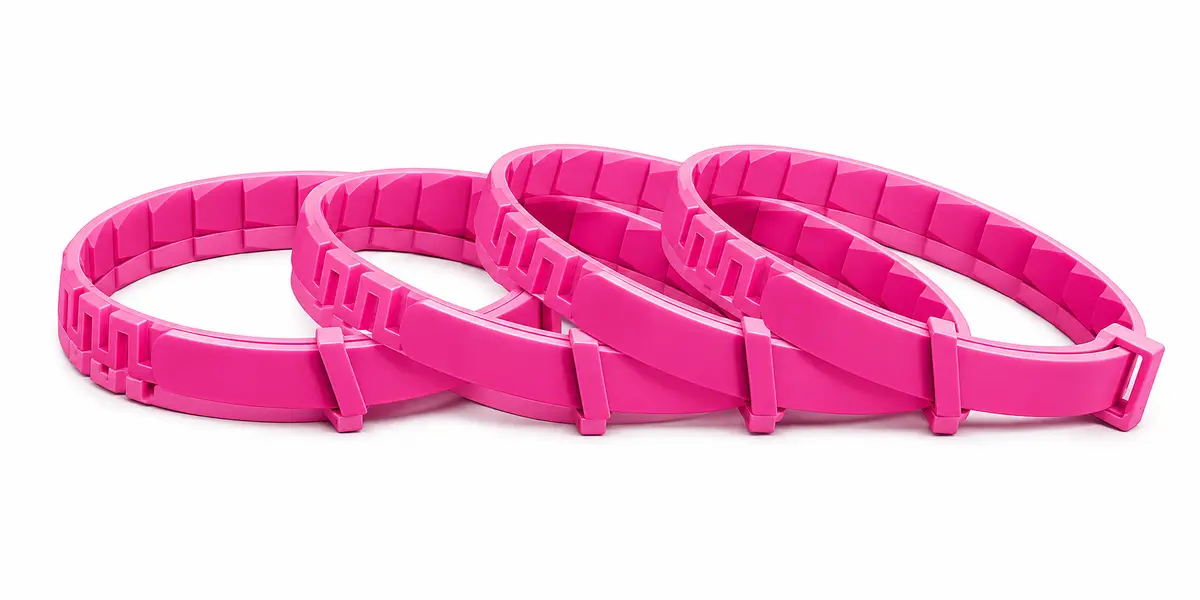
Pheromone collars release a synthetic version of the calming pheromone mother dogs produce, and are worn continuously for weeks. Results vary between dogs, so give one several weeks before judging it.
A heartbeat toy mimics the warmth and rhythm of littermates and is used to comfort puppies in their first nights in a new home. Soft calming blankets with a bubble-plush texture give a dog something to burrow into and a familiar scent to carry from place to place.
A safe space
The AKC recommends a safe space, such as a bed or mat in a quiet area paired with treats and toys, which can travel with your dog to stressful places. A covered den or open pet tent gives a dog a place to retreat when the house gets loud or busy, and many dogs choose it on their own during storms.
Put the den in a quiet corner, add a familiar blanket, and never pull your dog out of it or use it for punishment. It should always be the place where nothing bad happens.
Calming aids work best with training
Products support, they do not cure. The AKC suggests enrichment such as food-stuffed toys, puzzle toys, snuffle mats and lick mats, and calming games, and notes that desensitization and counterconditioning, gradually exposing a dog to a trigger at low intensity while pairing it with rewards, is complex enough that many owners benefit from a professional trainer or behaviorist.
Playing recordings of storms at a very low volume during meals, and raising it over weeks, is a classic example. Never punish a frightened dog; it makes fear worse.
When to see your vet
The AKC advises consulting a vet to rule out health problems that can contribute to anxious behavior, especially if anxiety appears suddenly or in an older dog. Pain, hearing loss, thyroid problems and cognitive changes can all show up as new fearfulness.
See your vet promptly if your dog injures itself trying to escape, stops eating, or panics severely when left alone. Your vet can discuss further options and refer you to a veterinary behaviorist for serious cases.
This page is general information, not veterinary advice, and it cannot replace an examination by the vet who knows your pet.
What can I give my dog to calm down?
Non-medical aids such as a pressure vest, a noise-reducing snood, a safe den and enrichment toys help many dogs. For anything taken by mouth, ask your vet first.
Do anxiety vests really work for dogs?
Many owners find a snug pressure vest helps during storms and fireworks, though not every dog responds. It works best introduced on calm days and combined with training.
How do I calm my dog during fireworks?
Set up a den in a quiet room, close curtains, play background noise, use a snood or vest your dog is used to, and stay calm yourself. Plan ahead before fireworks season.
What are natural calming aids for dogs?
Pressure wraps, ear covers, pheromone collars, comfort toys, calming blankets and food enrichment are all drug-free options to try alongside training.
When should I see a vet about dog anxiety?
If anxiety is sudden, severe, causes injury or appears in an older dog, see your vet to rule out pain or illness and discuss a behaviorist referral.