







Cats
Cat steps
Little things. Happy cats.
27 items picked for everyday life with your pet, with shipping estimates on every item.
 A happy life, one little thing at a time.
↗Tracked US shippingEstimates on every item↶Returns & refundsHow it works♡Here to helpTalk to Giddy Pets
All cat steps
Little essentials. Lots of love.




A little guidance
Help choosing cat steps
Buying guides and care advice written for this range: what to measure, what matters and what to skip.
From our guides
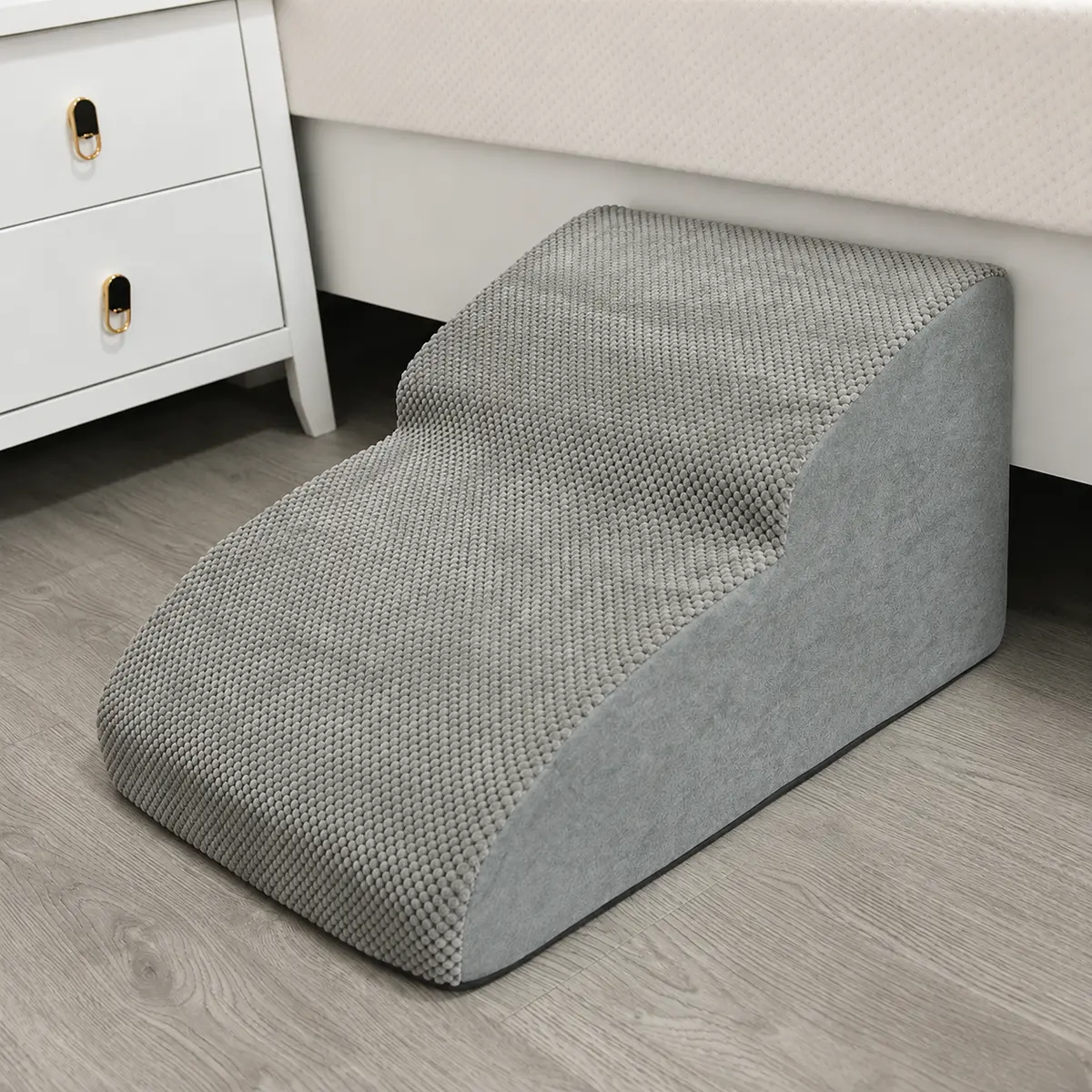
These are steps and stairs for cats: plush foam pet stairs, foldable wooden steps in three and four levels, carpeted multi-level steps with sisal scratching posts, cat trees with built-in stair steps, and a non-slip pet ramp. They are for older cats that can no longer jump onto the bed, cats with stiff joints, overweight cats and anyone who wants to give a senior cat easier access to its favorite spots.
Which cats need steps
Cats jump effortlessly when young, but many older cats develop joint stiffness that makes the leap onto a bed or sofa painful. Signs include hesitating before a jump, misjudging it, jumping in stages via a chair, or no longer reaching places they used to love.
Steps let those cats keep using high places without the jolt of jumping down, which is often harder on joints than jumping up. They also help overweight cats, cats recovering from injury and small kittens. If your cat has stopped jumping, it is worth a vet check, since cats hide joint pain well.
Measuring for cat stairs
Measure from the floor to the top of the bed or sofa cushion. The top step should be close to that height, so your cat steps across rather than up. Most beds need three or four steps.
Check the tread depth and width: your cat should be able to stand on each step with all four feet. Stairs with a low rise between steps suit seniors best, and a carpeted or non-slip surface gives grip.
Foam, wood or cat tree stairs
Foam stairs are light, soft and quiet, with washable covers, and suit small and senior cats. Wooden stairs are rigid and often fold for storage. Carpeted steps with sisal posts double as a scratcher, which encourages cats to use them.
Cat trees with built-in steps give a gentle climbing route to the higher perches, which suits older cats that still want height. A ramp is an alternative for a cat that struggles with steps; ramps are gentler on sore joints.
Encouraging your cat to use them
Place the stairs against the bed or sofa with the furniture on one side for support, on a non-slip floor. Put a treat on each step, or a little catnip, and let your cat explore in its own time.
Leave the stairs in place permanently so your cat does not have to choose between them and a jump. If your cat still refuses after a week or two, try moving the stairs to a different side of the bed or switching to a ramp.
Steps for kittens and overweight cats
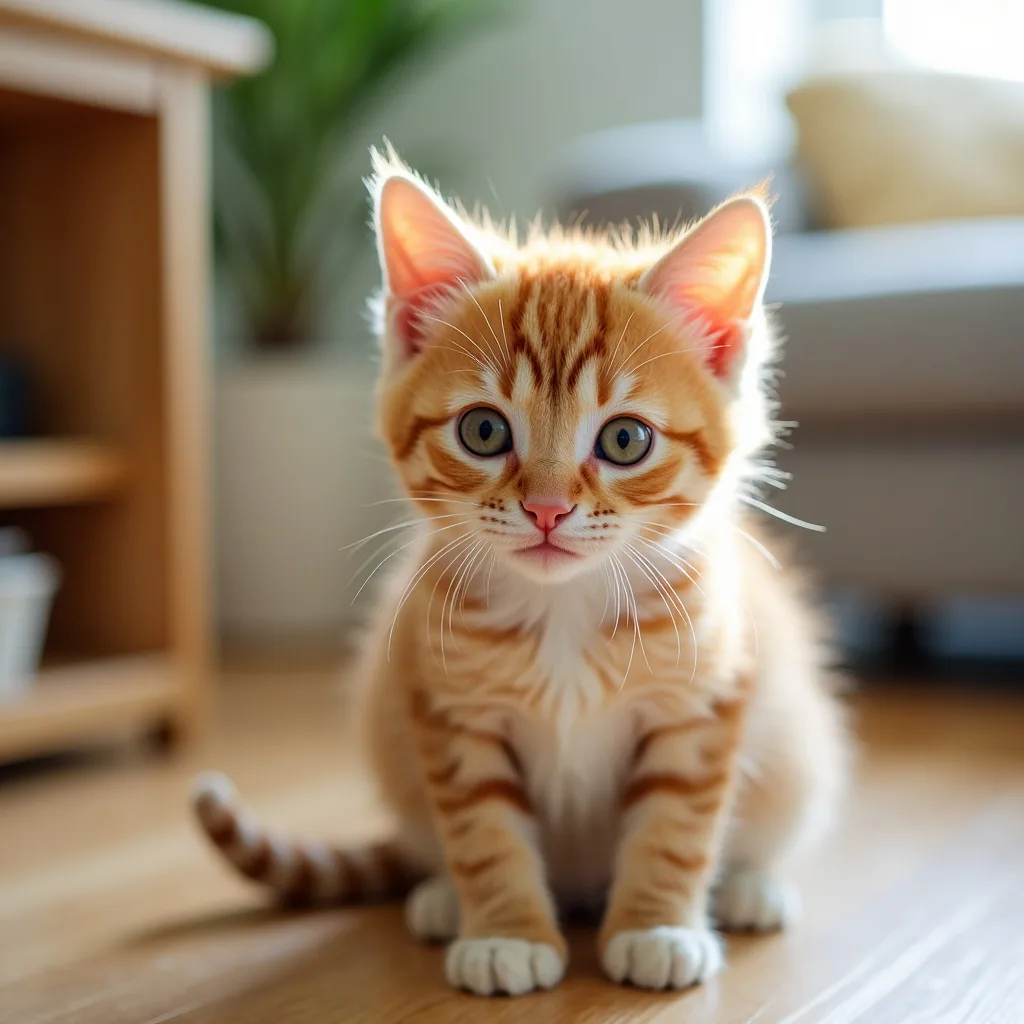
Small kittens often cannot reach a bed or sofa yet and will climb the bedding or cry to be lifted. A set of steps lets them come and go safely and saves you lifting a squirming kitten up and down all evening.
Overweight cats put extra strain on their joints every time they jump down from furniture. Steps reduce that impact while your vet helps you work on a weight plan. Foam steps are a good choice here, since they are soft if a heavier cat misjudges a step.
This page is general information, not veterinary advice, and it cannot replace an examination by the vet who knows your pet.
Do older cats need stairs?
Many do. Cats with stiff joints or arthritis find jumping painful, especially jumping down. Steps let them reach the bed or sofa without the jolt. Ask your vet if your cat has stopped jumping.
How many steps does my cat need for the bed?
Measure from floor to mattress top. Most beds need three or four steps, with the top step level with or just below the sleeping surface.
How do I get my cat to use pet stairs?
Put treats or catnip on each step, place the stairs firmly against the furniture, and let your cat explore. Most cats learn within a few days.
Are ramps or stairs better for cats?
Stairs take up less space and suit most cats. Ramps are gentler for cats with severe joint pain or weakness. Some cats prefer one over the other.