Health & vet care
Why Is My Dog Not Drinking Water?
A dog not drinking water may be fussy about the bowl, but it can also be nauseated, in pain or ill, and dehydration can follow quickly. A general guideline is at least 1 ounce of water per pound of body weight daily. If your dog is also vomiting, lethargic or off its food, or has not drunk for a day, call your vet.
By Matt GarnettUpdated November 14, 20265 min read3 sources
Why dogs stop drinking
Sometimes the reason is simple. The water is warm or stale, the bowl is dirty, the bowl has moved, or the dog is eating wet food and getting some moisture that way. The AKC suggests cleaning the bowl daily, and notes that dogs seem to prefer cool water. A dog that suddenly refuses water after a change in routine, a new bowl or a stressful trip may just need its old setup back.
Other reasons are medical. Anything that makes a dog feel sick, such as nausea, mouth pain, fever or an infection, can reduce drinking. The AKC says kidney disease, diabetes and some cancers can lead to dehydration, and VCA lists a long set of illnesses behind changes in thirst, along with some medications. The cause is not something you can tell from the bowl alone, which is why a dog that drinks noticeably less than normal should be seen.
How much water is normal
The AKC gives a general guideline of at least 1 ounce of water per day for each pound of body weight, so a 40 lb dog needs roughly 40 ounces, or about a quart and a half. Needs rise in hot weather and with exercise, and they differ by age, size and health, so ask your vet for a target that fits your dog.
VCA advises measuring how much your dog drinks over a 24-hour period if you are worried, because that gives your vet a real number instead of a guess. Fill the bowl with a measured amount, note what is left, and add anything your dog drank elsewhere. Remember that wet food, broth and water-soaked kibble also count toward intake, so mention what your dog eats.
How to check for dehydration
Learn your dog's baseline while it is well. The AKC suggests two quick checks. For skin elasticity, gently lift the skin between the shoulder blades and let go. In a hydrated dog it snaps back right away, and in a dehydrated dog it settles slowly. For the gums, press a finger on them and release. Pink color should return almost instantly. Slow return, or gums that feel dry or sticky, is a warning sign.
Other signs include thick saliva, a dry nose, sunken or dull eyes, panting, low energy and loss of appetite. Wrinkly breeds such as Bulldogs may normally have less elastic skin, so the skin test is less reliable for them. These checks are a guide for deciding how fast to call, not a way to rule dehydration out. See our page on signs of dehydration in dogs for more.
When to call your vet, and when it is an emergency
Call your vet today if your dog is eating and drinking less than usual for more than a day, or if it drinks noticeably less than normal and seems quiet. Puppies, senior dogs, nursing mothers and toy breeds are at higher risk of dehydration, so call sooner for them. Tell your vet about any medication, since some drugs change thirst.
Treat it as an emergency if your dog shows signs of dehydration along with persistent vomiting, or if you suspect heatstroke. The AKC says to go to the vet immediately in those cases. Vets can give fluids under the skin or into a vein and look for the underlying cause with blood work, X-rays or other tests. If your dog is suddenly drinking far more instead, read about why dogs drink a lot of water.
What you can do at home
Offer fresh, cool water straight away and put bowls in several spots around the house, especially if you have more than one dog. The AKC suggests ice cubes to lick or chew, wet food or water-soaked kibble, and low-salt meat, vegetable or bone broth mixed into water or food for picky drinkers. Take water on walks and car trips and offer it often.
The AKC also says an electrolyte solution can sometimes be offered to a dog that is not vomiting, but check with your vet first for what is appropriate. Do not restrict water to control house training or behavior, because limiting access can lead to dehydration and dangerous electrolyte problems. If your dog seems dull or sick, call the vet rather than coaxing at home for long.
Do fountains and different bowls help?
They can help some dogs, though not all. The AKC says some dogs like running water, and a fountain keeps water circulating, cooler and filtered. It also points out there is no evidence that dogs in general prefer running water, that a fountain is not essential if your dog already drinks well from a bowl, and that fountains need regular cleaning and filter changes.
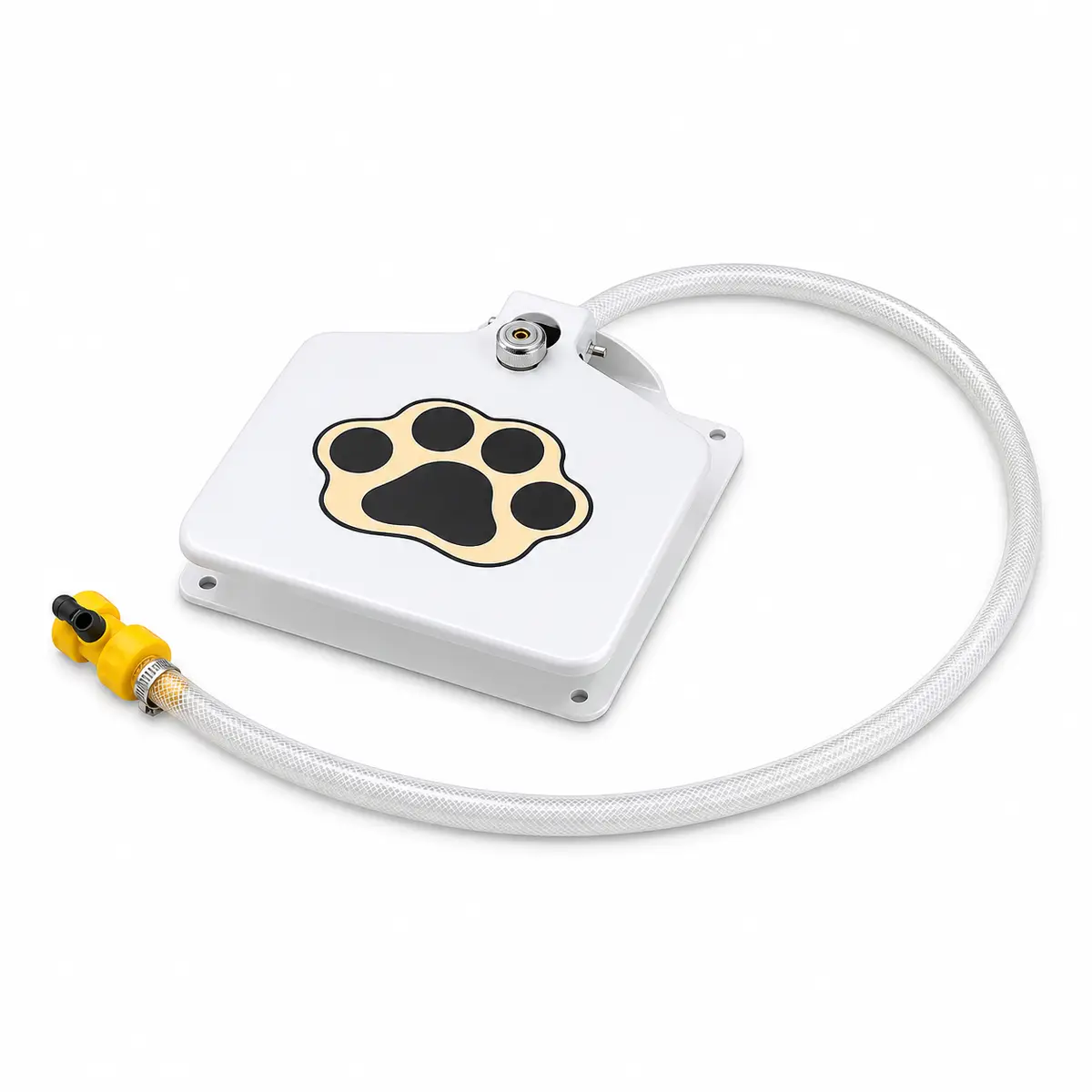
If you want to try one, a stainless steel design with few parts is the easiest to keep clean, and the size should suit your dog. Browse our dog water fountains if you are curious, but treat it as an experiment for a healthy dog that is simply fussy, never as a fix for a dog that is unwell. Keep the old bowl as a backup.
This page is general information, not veterinary advice, and it cannot replace an examination by the vet who knows your pet.
Common questions
How long can a dog go without drinking water?
There is no safe number to plan around, because it depends on age, size, weather and health. A dog that refuses water for a day, or seems unwell at all, should see a vet promptly.
How can I get my dog to drink more water?
Offer fresh cool water in several spots, add ice cubes, use wet food or water-soaked kibble, or mix in low-salt broth. If your dog still will not drink, or seems unwell, call your vet.
Why is my dog not eating or drinking?
Loss of both appetite and thirst can come from nausea, pain, infection or other illness, and it is more worrying than a fussy drinker. Call your vet the same day, especially for puppies and seniors.
Is it normal for a dog to drink less in winter?
Dogs often drink somewhat less when it is cooler and they are less active, and indoor dogs eating wet food may drink less too. A sudden or large drop is still worth mentioning to your vet.
What are the signs of dehydration in a dog?
Common signs include dry or sticky gums, thick saliva, a dry nose, sunken eyes, low energy, panting, loss of appetite and skin that is slow to spring back when lifted. Contact a vet if you notice them.
Sources we checked
This guide is general information, not veterinary advice. If your pet is unwell or injured, contact your veterinarian.