Health & vet care
Dog Diarrhea: Causes, What to Feed and When to Call the Vet
Most diarrhea in dogs comes from something they ate, a sudden change of food, or stress, and mild cases often clear within one to three days. A dog with diarrhea who is still bright, eating, and drinking can usually be watched at home. Blood, vomiting, weakness, or diarrhea in a young puppy are different, and need a vet the same day.
By Matt GarnettUpdated November 9, 20264 min read3 sources
What it usually means
The most common cause is dietary indiscretion, the vet term for a dog eating something it should not have: garbage, rich table scraps, a dead animal on a walk, or a whole bag of new treats. Switching foods suddenly is close behind. Stress from boarding, travel, a house move, or fireworks can also loosen stools for a day or two.
Next come intestinal parasites such as roundworms, hookworms, whipworms, and giardia, which are especially common in puppies and dogs from shelters. Viral and bacterial infections, food intolerance or allergy, pancreatitis, some medicines, and toxins are further down the list. Long-running or recurring diarrhea can point to inflammatory bowel disease or other conditions that need testing.
When to call your vet today
Call your vet the same day if the diarrhea has lasted more than a day or two, if your dog is also vomiting, if they are off their food, or if they seem quieter than usual. Watery diarrhea many times a day can dehydrate a dog quickly, so do not wait it out if it is frequent.
Puppies, seniors, toy breeds, and dogs with other health problems need a call sooner, at the first sign. A puppy that has not finished its vaccinations and develops diarrhea should always be checked, because parvovirus can look like an ordinary upset stomach in its early hours.
When it's an emergency
Go to an emergency vet now if there is a lot of blood in the stool, if stool is black and tarry, if your dog is vomiting repeatedly, is weak, wobbly, or collapses, or has pale, white, or bluish gums. Refusing water, a painful or swollen belly, or a sudden large amount of bloody, jelly-like diarrhea also need care right away.
If your dog may have eaten something toxic, such as chocolate, grapes, xylitol, medicine, or rat bait, call ASPCA Animal Poison Control at (888) 426-4435 or the Pet Poison Helpline at (855) 764-7661 on the way to the vet; a fee may apply.
What to feed a dog with diarrhea
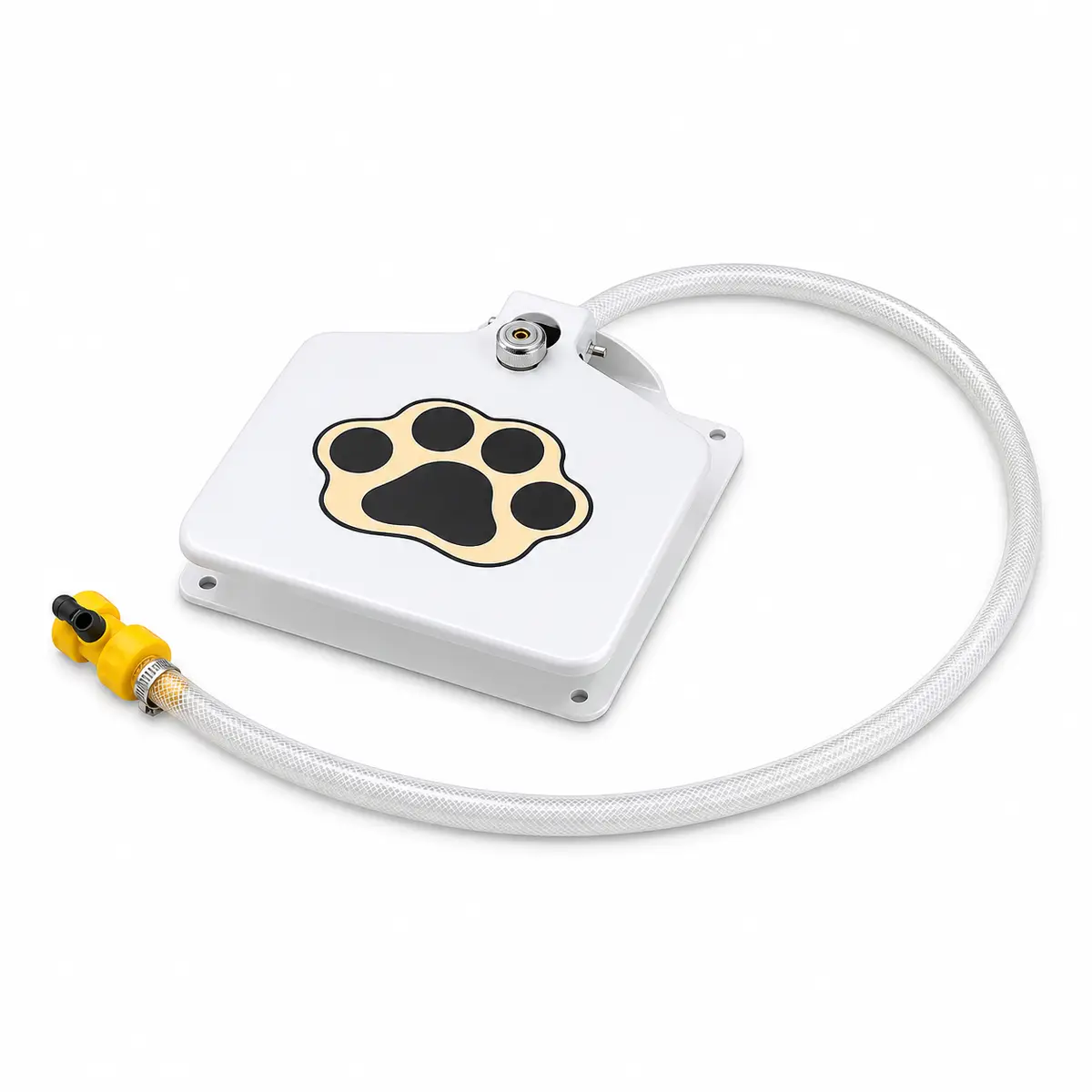
For a mild case in a dog who is alert and not vomiting, keep fresh water available at all times, whether in a water bowl or a dog water fountain and offer several small meals of something bland. Plain boiled chicken breast with boiled white rice, with no skin, fat, oil, salt, or seasoning, is what many vets suggest. A spoonful of plain canned pumpkin, not pie filling, is another option vets sometimes mention.
Once the stool firms up, mix the regular food back in gradually over a few days. Do not give over-the-counter human remedies for diarrhea, such as Imodium or Pepto-Bismol, unless your vet specifically tells you to: some can make certain problems worse, and some contain ingredients that are unsafe for dogs.
What the vet will likely check
Bring a fresh stool sample if you can, because a fecal test for parasites is one of the first things most vets run. Your vet will ask how long it has gone on, how often, what it looks like, and whether anything new has been eaten, then examine your dog, including hydration, temperature, and the belly.
A dog who is unwell or has had diarrhea for weeks may need blood tests, a parvovirus test for puppies, X-rays or an ultrasound, or a diet trial. Treatment may include fluids, a prescription digestive diet, deworming, or other prescribed medicine, depending on the cause.
Preventing diarrhea in dogs
Change food slowly, over about a week, by mixing increasing amounts of the new food with the old. Keep treats and table scraps small, lid your trash, and stop scavenging on walks with a solid leave-it cue and a short leash near trash. If your dog has a sensitive stomach, consistent food and treats help more than frequent switches.
Stay up to date with deworming and vaccinations, and pick up after your dog promptly so parasites are not passed back and forth. Before a stressful event like boarding, ask your vet whether there is anything you can do to protect a dog who reliably gets diarrhea.
This page is general information, not veterinary advice, and it cannot replace an examination by the vet who knows your pet.
Common questions
What can I give my dog for diarrhea?
Fresh water and small, bland meals such as plain boiled chicken and white rice are the usual home care for a mild case. Do not give human medicines unless your vet tells you to, and call if it lasts more than a day or two.
What should I feed a puppy with diarrhea?
Call your vet before changing anything, because puppies dehydrate fast and can have serious infections. Your vet may suggest a bland diet, but an unvaccinated puppy with diarrhea needs an examination first.
How long does dog diarrhea last?
A simple upset from something your dog ate usually improves within one to three days. Diarrhea that lasts longer, keeps coming back, or comes with other signs of illness needs a vet to look for the cause.
Why does my dog have diarrhea but is acting normal?
Mild diarrhea in an otherwise happy dog is often a reaction to food or stress. Watch it closely, keep water available, and call your vet if it lasts more than a day or two or anything else changes.
Sources we checked
This guide is general information, not veterinary advice. If your pet is unwell or injured, contact your veterinarian.