Health & vet care
Dog Constipation: Causes, Safe Home Care and When to Worry
Dog constipation means hard, dry stools or no bowel movement at all, and it is usually temporary. Most dogs poop at least once a day, so a day without one is rarely a crisis. Straining with nothing coming out, no stool for 48 hours, vomiting, or a painful belly mean it is time to call your vet, because a blockage can look exactly like constipation.
By Matt GarnettUpdated November 9, 20264 min read3 sources
What it usually means
The most common cause is something indigestible in the diet: bone fragments, grass, hair from grooming, gravel, or bits of a chewed toy, which bind the stool into a hard mass. Not drinking enough, a sudden diet change, too little exercise, and holding it in when a dog has not been walked often enough are other everyday reasons.
Further down the list come medicines that slow the gut, pain that makes squatting hard, such as arthritis or a sore back, an enlarged prostate in unneutered male dogs, anal gland problems, a hernia beside the anus, low thyroid function, and nerve or colon problems. In older dogs, constipation that keeps returning deserves a proper look.
Signs your dog is constipated
Watch for straining or squatting for a long time with little or nothing produced, small hard pellets, circling, scooting, and crying out while trying to go. Some dogs pass a little mucus or blood-streaked liquid around a hard stool, which can be mistaken for diarrhea.
Constipated dogs may also eat less, seem uncomfortable when you touch the belly, or vomit. Be careful with straining in a male dog: a dog who squats and strains but produces no urine may have a urinary blockage instead, and that is an emergency.
When to call your vet today
Call your vet the same day if your dog has not pooped for 48 hours, has been straining unproductively, or is off their food, vomiting, or quieter than normal. Call sooner for a puppy, a senior dog, or a dog with a known health problem.
Also call if constipation keeps coming back, if you see blood, or if your dog has been given a new medicine. Untreated constipation can build into a hard, impacted mass, and repeated episodes can stretch and weaken the colon over time, which is much harder to fix.
When it's an emergency
Go to an emergency vet now if your dog is straining and vomiting, has a swollen or painful belly, is weak, or may have swallowed a toy, sock, corn cob, or bones. A blockage in the intestine can look like constipation at first, and it can become life threatening quickly.
Treat it as an emergency, too, if a male dog is straining but nothing at all is coming out, including urine. A blocked bladder can become fatal within a day or two. If you are unsure which it is, go now rather than waiting.
What you can safely do at home
For a mild case in a dog who is otherwise well, make sure there is always fresh water, and add a little water to dry food or offer some wet food to increase fluid intake. Extra walks help move things along. Your vet may suggest a spoonful of plain canned pumpkin, not pumpkin pie filling, which contains sugar and spices.
Do not give human laxatives, stool softeners, enemas, or mineral oil unless your vet tells you to. Some are dangerous for dogs, and an enema given to a dog with a blockage or a urinary problem can do real harm. Call your vet if there is no improvement within a day.
What the vet will likely check
Your vet will feel the belly, do a rectal exam, and ask about diet, bones, toys, water intake, and medicines. X-rays show how much stool is backed up and whether there is a foreign object. Blood tests may be suggested for an older dog or one with repeat episodes.
Treatment can include fluids, a vet-administered enema, removal of hard stool under sedation, and prescribed medicine or a higher-fiber diet. Your vet will also look for and treat any underlying cause, such as pain, prostate enlargement, or a hernia.
Preventing constipation
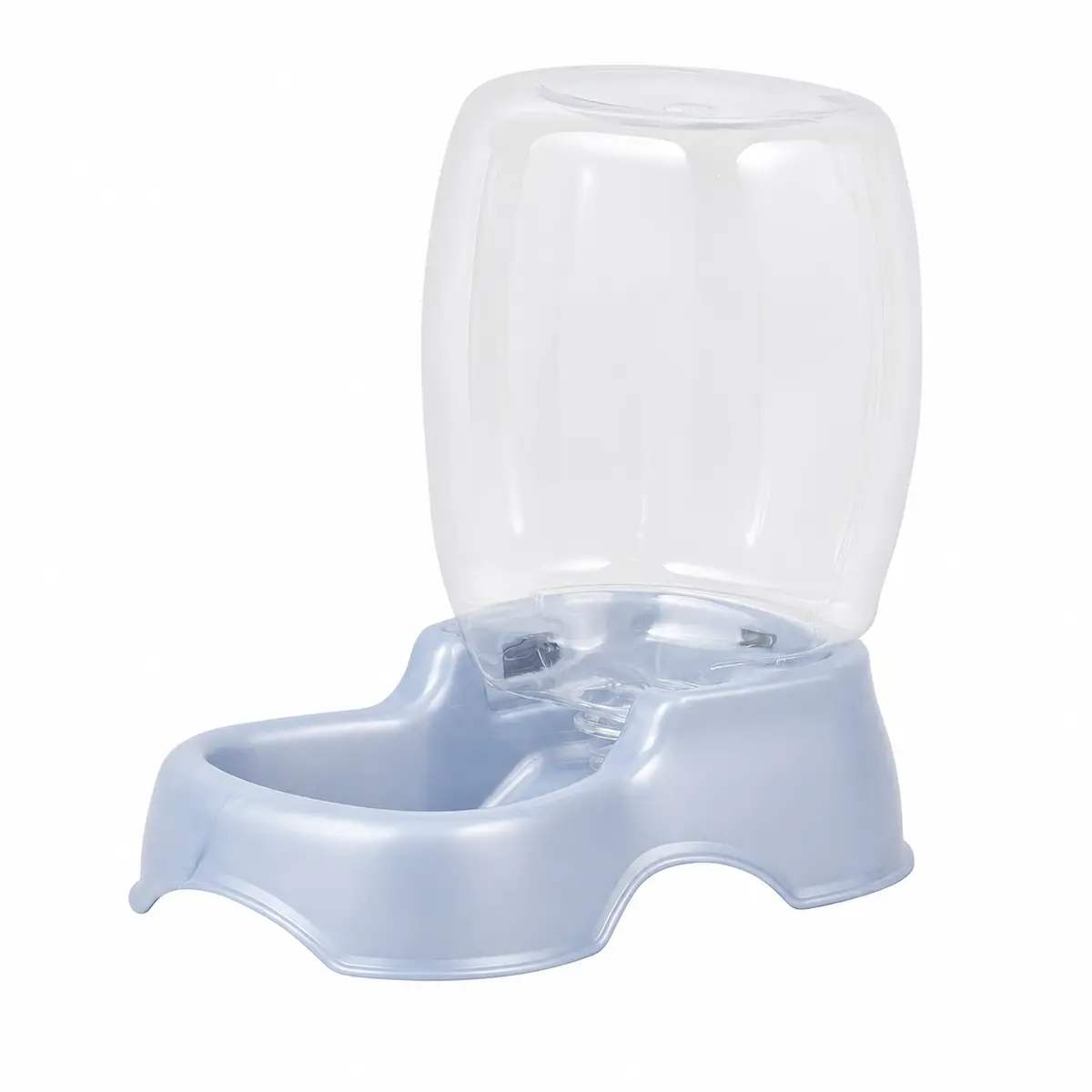
Avoid cooked bones, which splinter and bind the stool, and choose chew toys that are too tough to break into pieces. Keep fresh water in more than one spot, using a dog water bowl in each main room, give regular exercise, and give your dog enough chances to go outside during the day. On longer outings, a dog travel water bottle makes it easy to offer a drink along the way.
Brush long-coated dogs often so they swallow less hair when grooming. If your dog is prone to constipation, ask your vet whether a diet change or added fiber would help, and how much would suit your dog.
This page is general information, not veterinary advice, and it cannot replace an examination by the vet who knows your pet.
Common questions
How long can a dog go without pooping?
Most dogs go at least once a day. A day without a bowel movement is not unusual, but no stool for 48 hours, or straining with nothing produced, is a reason to call your vet.
What can I give my dog for constipation?
Fresh water, wet food, extra walks, and a spoonful of plain canned pumpkin are the usual safe steps for a mild case. Do not give human laxatives or enemas unless your vet tells you to.
Why is my dog straining to poop but nothing comes out?
It may be constipation, but straining can also mean diarrhea, a blockage, a prostate problem, or a blocked bladder. If it continues, your dog is vomiting, or no urine is passing, call your vet now.
Can a puppy be constipated?
Yes, often from eating things they should not, worms, or not drinking enough. Puppies can become unwell quickly, so call your vet if a puppy strains without success or has not pooped in a day.
Sources we checked
This guide is general information, not veterinary advice. If your pet is unwell or injured, contact your veterinarian.