Food safety
Can Puppies Eat Blueberries? Small Prepared Rewards
Yes, a weaned puppy may have plain blueberries as an occasional extra if they fit its individual diet. AKC explicitly permits blueberries for puppies when introduced gradually and sized to prevent choking. A whole berry is not automatically appropriate for a very small mouth, and treats must not displace complete food for growth. Wash the berries, prepare a manageable piece, supervise the puppy, and discuss any feeding-stage or medical concern with your veterinarian.
By Matt GarnettUpdated November 13, 20264 min read4 sources
Start with the puppy’s feeding stage
This snack advice concerns a puppy that is weaned and eating an appropriate growth diet. VCA’s birth-to-weaning guidance describes the transition from nursing to puppy food. Do not substitute berries for milk or use them to manage an unweaned puppy that is not nursing normally; that situation needs individual care advice.
If the puppy’s age or feeding ability is uncertain, tell the veterinarian or the organization supporting its care. Describe the usual food, appetite, and activity. Interest in a berry dropped from a person’s bowl does not establish readiness for a different diet, and refusal of normal food should not be solved by offering progressively more fruit.
Wash berries and prepare them for the individual mouth
AKC advises washing blueberries thoroughly and notes that their size and shape can present a choking risk, particularly for very small dogs. It suggests cutting berries for a very small animal. Its puppy-specific answer also emphasizes appropriate sizing, so do not rely on the idea that every blueberry is already a bite-size reward.
Set out a manageable small piece before the training session rather than preparing it while the puppy jumps for food. Stay nearby during eating and stop if it coughs, gags, or struggles. Ask the veterinarian about texture when chewing or swallowing is difficult, and seek urgent help for trouble breathing.
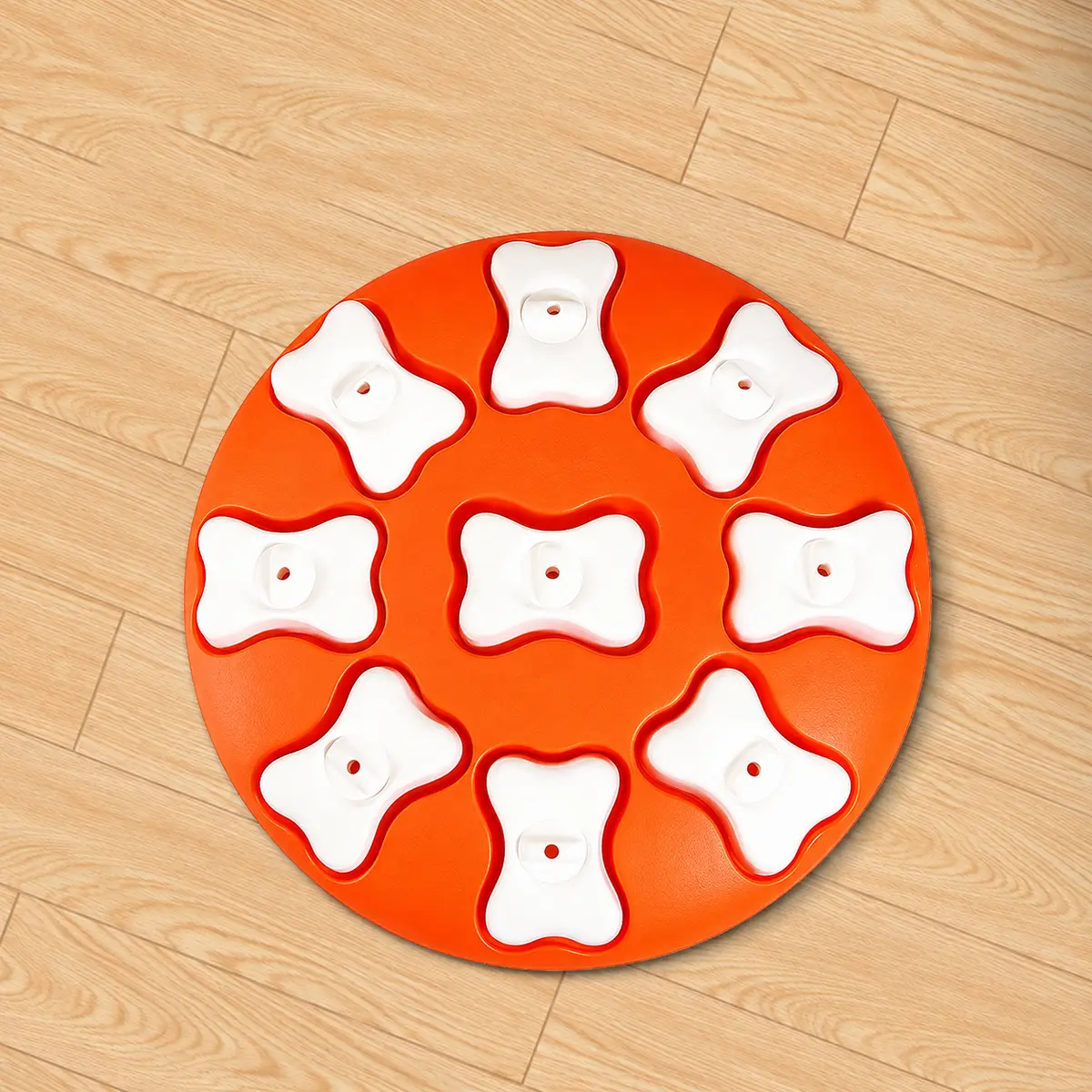
Spreading a few safe pieces across a snuffle mat or packing them into a puzzle toy turns a small treat into a few minutes of sniffing work.
Keep the preparation plain rather than sharing a blueberry product
The supported snack is the identified berry, rather than a muffin, spread, dessert, or other food named after it. Check the completed recipe before applying advice about one ingredient. Keep a portion separate from the human dish, and choose a familiar permitted reward if you cannot establish what else is present.
After an accidental theft, save the label or recipe and explain whether the puppy ate fruit, a finished dish, or packaging. Mention the timing, approximate amount, and other accessible food. A report that the puppy ate blueberries can omit important information when the actual item was a mixed preparation.
Protect the nutrient balance needed for growth
VCA emphasizes appropriate complete nutrition for dogs at different life stages. A puppy needs the growth diet to remain the foundation; berries cannot replace its full balance of nutrients. Do not change meals or add a supplement simply because an article describes antioxidants or another nutrient found in the fruit.
AKC’s treat guidance explains that rewards contribute calories alongside meals. Count treats across the household, including training rewards, food from children, and anything offered by another caregiver. Ask the veterinarian about the total rather than assuming each person’s portion is small enough to ignore or copying an adult dog’s snack routine.
Use a new reward without obscuring the puppy’s response
AKC recommends introducing blueberries gradually and observing the dog’s response. Keep other unfamiliar extras out of the same trial so the history stays clear. The aim is an optional reward, not a home food-allergy experiment, and the puppy does not need to be persuaded to enjoy a particular fruit.
Stop the extra and contact the veterinarian about vomiting, diarrhea, reduced appetite, unusual tiredness, or another concerning change. Record the preparation and timing alongside the normal meals. A symptom after eating cannot identify its cause at home, and repeating the food to prove a reaction may make the history and the puppy’s comfort worse.
Choose another reward when fruit does not fit
Put the berries away if the puppy ignores them or the veterinarian advises a restriction. Part of the usual complete food, attention, or play may suit the training moment instead. Seek prompt veterinary advice when a young puppy struggles to eat or drink normally, and emergency care for collapse, severe weakness, or breathing difficulty. Do not force food or use human medication.
This page is general information, not veterinary advice, and it cannot replace an examination by the vet who knows your pet.
Common questions
Can a nursing puppy have blueberries instead of milk?
No. This optional-snack advice concerns a weaned puppy eating an appropriate growth diet. Ask the veterinarian about nursing or feeding-stage concerns rather than substituting fruit for the nutrition an unweaned animal needs.
Are whole blueberries always small enough for puppies?
No. AKC warns that berry shape and size can create choking concerns for very small dogs and advises appropriate sizing for puppies. Prepare a manageable piece and supervise eating rather than assuming a whole berry fits.
Can blueberries replace a puppy’s normal treats and meals?
They must not replace complete growth food or become unlimited rewards. Count all extras together and ask the veterinarian what fits the puppy’s intake, including rewards given by other caregivers.
What if my puppy develops diarrhea after blueberries?
Stop the extra and contact the veterinarian with the puppy’s age, usual diet, preparation, amount, timing, and other recent foods. Do not diagnose the cause or repeatedly offer berries to test a reaction.
Sources we checked
This guide is general information, not veterinary advice. If your pet is unwell or injured, contact your veterinarian.