Care & how-to
Why Do Dogs Lick You? What Your Dog's Licking Means
Dogs lick you mostly to greet you, show affection, and get your attention, and because your skin tastes of salt, lotion, and the food you just handled. Licking starts in puppyhood, when puppies lick their mother's face, and many dogs keep it as a friendly, calming habit that a lick mat can redirect. It is usually harmless, but sudden or nonstop licking can mean stress or a health problem worth mentioning to your vet.
By Matt GarnettUpdated November 13, 20264 min read2 sources
Why dogs lick people
Licking is one of the first things puppies do. They lick their mother to be cleaned, fed, and comforted, and young dogs lick older dogs' faces as a polite, appeasing greeting. When your dog licks your face as you walk in the door, they are usually saying hello in the oldest way they know.
Licking also works. Most people respond with eye contact, a laugh, or petting, so dogs quickly learn that licking earns attention. And dogs explore the world through taste and smell together, so your hands and face, which carry salt, sweat, food traces, and skin creams, are genuinely interesting to them.
Why does my dog lick me so much?
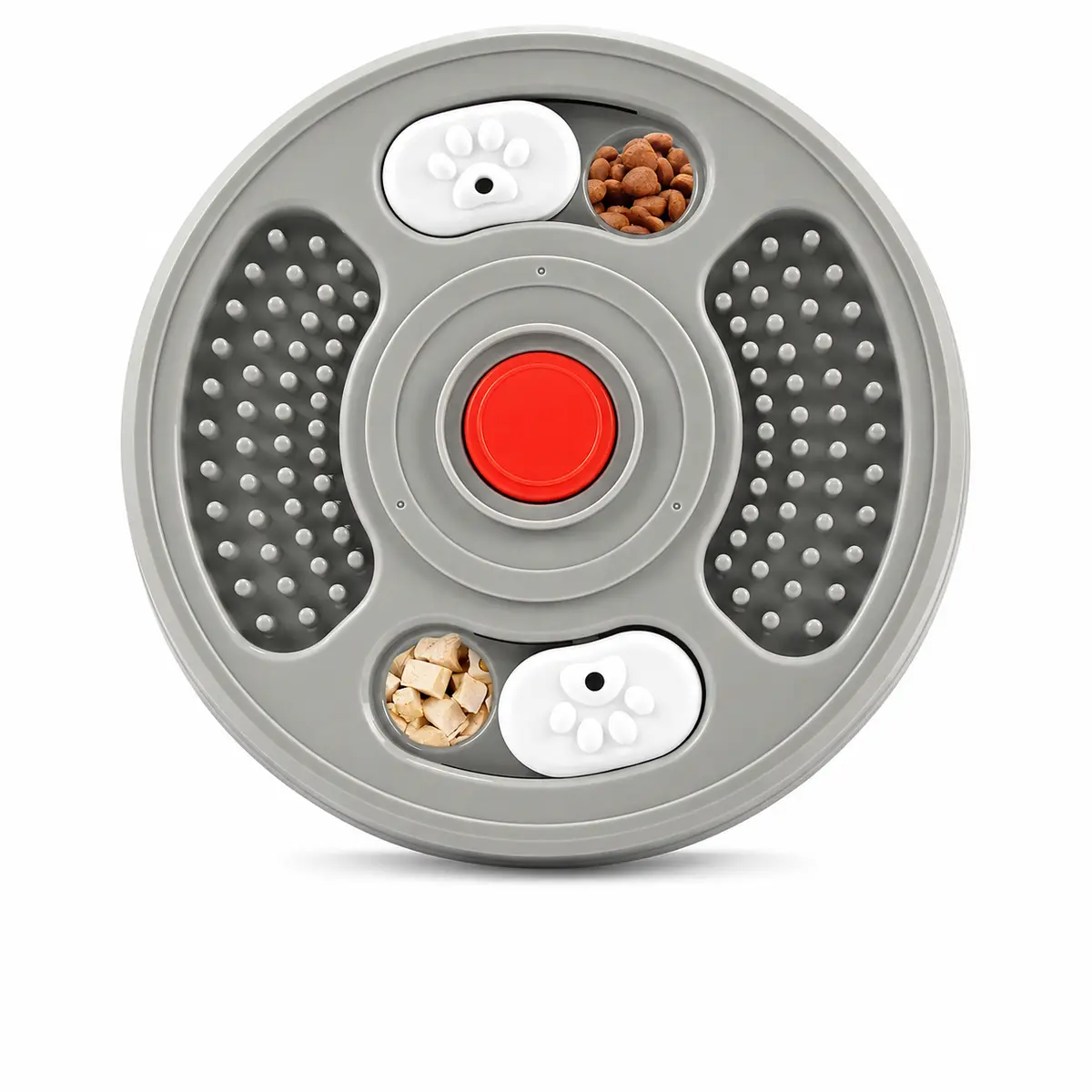
Some dogs are simply more lick-prone than others, and the habit gets stronger every time it is rewarded. Dogs who are excited, such as when you come home or wake up, often lick more. So do dogs who are anxious, because licking releases calming feelings and helps them settle, which is the idea behind a silicone lick mat spread with something your dog enjoys.
Frequent licking of your feet, legs, or hands after exercise may be about the salt in sweat. Licking of a wound or sore spot on you is an instinct too, but a dog's mouth is not clean, so it is better not to let them lick cuts or broken skin.
Why do dogs lick your face?
Face licking is a social behavior. Wild canines lick the mouths of returning pack members, partly as a greeting and partly to ask for food, and your dog may be doing a softened version of the same thing. Some dogs lick faces most when a person is upset, which may be a response to changes in tone and expression.
If you would rather your dog did not lick your face, that is a fair boundary. People with weakened immune systems, young children, and anyone with open skin on the face should avoid face licks, as dogs can carry bacteria in their mouths.
When licking might be a problem
Licking that is constant, that suddenly increases, or that is directed at objects, floors, or the air as well as people can be a sign of anxiety, boredom, or a compulsive habit. It can also have a medical cause: nausea, dental pain, and some digestive problems can make dogs lick more, as can a change in how they feel generally.
If your dog licks themselves excessively, especially the paws, legs, or rear, that usually points to itching or pain rather than affection. Book a vet visit if licking is new or intense, or comes with other changes, so a medical cause can be ruled out first.
Licking and safety
A dog's mouth carries bacteria that rarely cause problems for healthy adults with intact skin, but it is sensible to keep licks away from your mouth, eyes, and any cuts. Wash your hands after a licking session, especially before eating, and supervise dogs closely around babies and toddlers.
Watch, too, for what your dog may be licking off you. Some skin creams, sunscreens, and medicated ointments are unsafe for dogs to swallow, so let them dry or cover them, and keep your dog away from skin treated with prescription products.
How to reduce licking kindly
Do not punish licking, which can make an anxious dog more anxious. Instead, calmly stand up or turn away when licking starts, so it stops earning attention, and give attention when your dog sits or stays calm. Teach a simple cue such as sit or touch to ask for when your dog greets you.
Give your dog plenty of exercise, sniffing time, and chew toys or lick mats, such as a suction-cup lick mat that stays put on a floor or tub, to satisfy the urge in an acceptable way. Our lick mat guide explains how to choose one. Keep greetings low-key, and wash off lotions or food smells if those set the licking off.
This page is general information, not veterinary advice, and it cannot replace an examination by the vet who knows your pet.
Common questions
Is it OK to let my dog lick me?
Licking intact skin is generally low risk for healthy adults. Avoid letting dogs lick your face, open cuts, or young children, and wash your hands afterward, because dogs carry bacteria in their mouths.
Does dog licking mean kisses?
Often it is a friendly greeting and a way to bond, which many owners read as affection. It can also mean your dog wants attention, is tasting your skin, or is calming themselves down.
Why does my dog lick me when I cry?
Dogs notice changes in our voices and faces, and some respond with licking, which in dogs is a calming, appeasing behavior. It may be their way of responding to your distress or seeking reassurance.
Why does my dog lick me in the morning?
Morning licking is usually a greeting and a bid for attention, breakfast, or a walk. Your skin may also taste salty after sleep. Reward calm behavior instead if you want it to stop.
Sources we checked
This guide is general information, not veterinary advice. If your pet is unwell or injured, contact your veterinarian.