Care & how-to
What to Feed a Dog That Won't Eat
If your dog won't eat, first check whether something else is wrong: a dog that refuses food for 12 to 24 hours, or that is also vomiting or has diarrhea, needs your vet. If your dog is otherwise bright and healthy, you can try warming the food, mixing in a spoonful of canned food or low-sodium broth, and tightening up mealtimes. This guide covers what to offer, and what to avoid.
By Matt GarnettUpdated November 13, 20264 min read2 sources
Rule out illness before you change the menu
The American Kennel Club lists illness, painful teeth, medication side effects, stress and stale food among the common reasons a dog stops eating. VCA Animal Hospitals adds dental disease, kidney disease, a foreign body and arthritis to the list of things a vet may check for before treating a dog as simply picky.
Call your vet if your dog hasn't started eating within about 12 to 24 hours, or immediately if there is vomiting or diarrhea. A young puppy that skips more than one meal should be seen right away. Our guide to a dog not eating explains the warning signs in more detail.
Warm it up and boost the smell
Dogs eat largely by scent, and warming food brings out its aroma. The AKC suggests warming it slightly, and softening dry food with warm water. Keep it lukewarm, never hot, and stir well so there are no hot spots in the bowl.
This simple step often helps seniors and dogs recovering from a mild illness, whose sense of smell or appetite may be dulled. It also costs nothing and changes nothing about the nutrition, so it is the best first move.
Add a small topper, sparingly
Both the AKC and VCA mention dog-safe broth or a spoonful of canned food as ways to tempt a dog. Choose low-sodium broth with no onion or garlic, because onion and garlic are toxic to dogs. A little canned food, ideally one with gravy, stirred over the kibble also works for many dogs.
VCA advises keeping treats and toppers under 10 percent of the day's calories. A topper should nudge your dog toward the bowl, not become the meal, and adding a new one every day teaches a dog to hold out for something better.
Fix the routine, not just the food
VCA recommends offering meals at set times and picking the food up after a short while, rather than leaving a full bowl out all day. A healthy dog that skips an occasional meal is usually fine and often eats better at the next one.
Exercise before meals can help, since dogs are often hungrier after activity. Cut down on extra snacks and table scraps, which fill a dog up before the bowl is even served, and check the date and smell of the food, since stale kibble can put a dog off.
Make mealtime more engaging
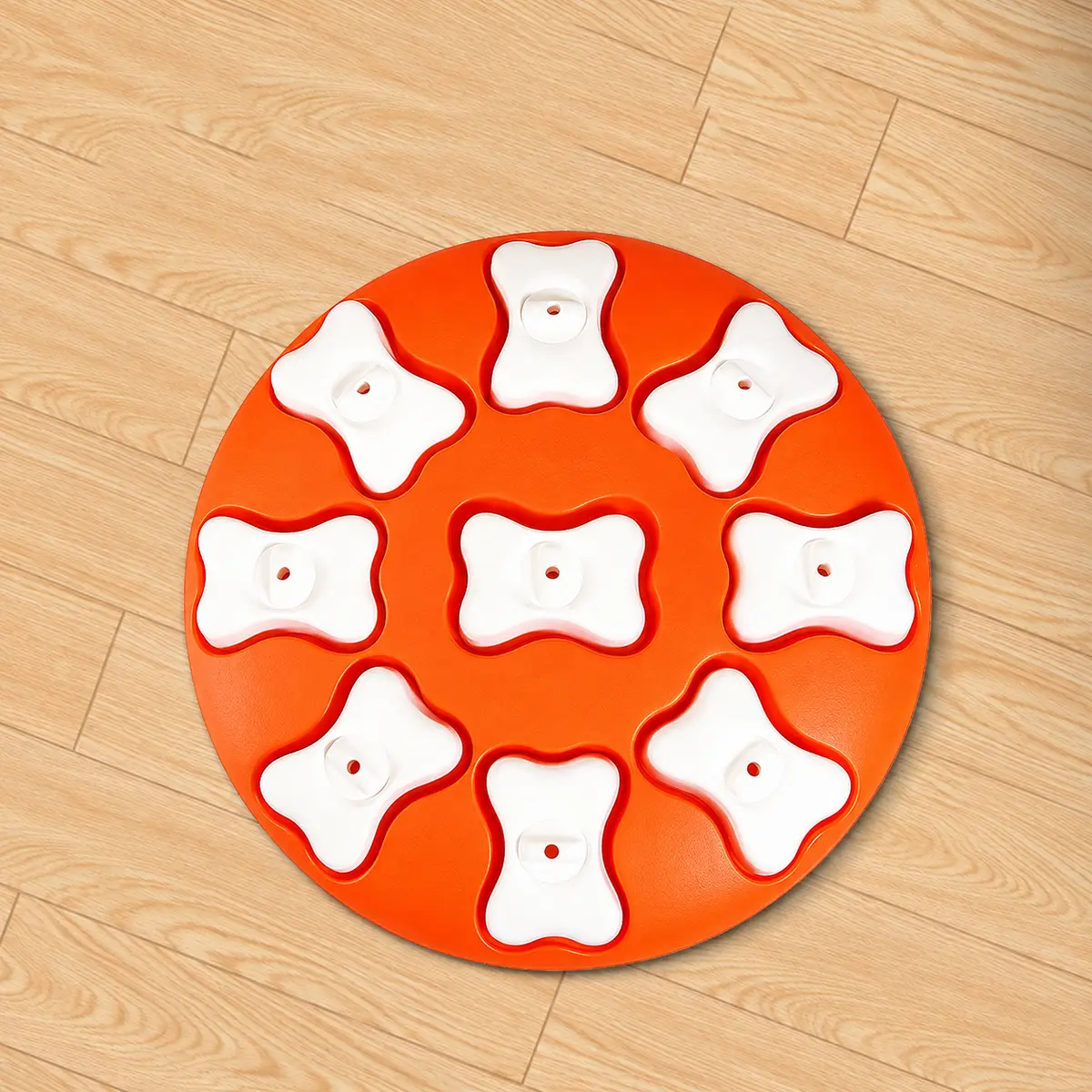
Some dogs eat better when food is more interesting. Both VCA and the AKC suggest hand-feeding or a food puzzle for dogs that respond to attention and mental stimulation. Browse our dog puzzle toys for feeders that make a meal a game.
A smear of something your dog likes on a lick mat can also turn a nervous eater's mealtime into a calmer activity. Only use foods that are safe for dogs, keep portions small, and count them toward the day's calories.
What to avoid, and when medication comes into it
Avoid rich human food, fatty scraps and constantly changing flavors. VCA warns that too much variety can teach a dog to hold out for favorites, and fatty foods can upset the stomach. Do not move to home-cooked meals without help, because many recipes are nutritionally incomplete; ask your vet or a board-certified veterinary nutritionist.
If your dog's loss of appetite is serious or lasts, your vet may discuss prescription appetite stimulants or assisted feeding. These are for a vet to decide, and nothing should be given at home without their direction.
This page is general information, not veterinary advice, and it cannot replace an examination by the vet who knows your pet.
Common questions
What can I put on my dog's food to make them eat?
A spoonful of canned food with gravy, a little warm water or low-sodium broth without onion or garlic, and slightly warming the meal are common options. Keep toppers small and under 10 percent of daily calories.
How long can a dog go without eating?
Contact your vet if your dog hasn't started eating within about 12 to 24 hours, sooner if there is vomiting or diarrhea. A puppy that misses more than one meal should be seen right away.
Is it okay to give a sick dog human food to get them to eat?
Small amounts of some plain foods may be fine, but many human foods are toxic or too fatty. Check with your vet before offering anything, especially if your dog is vomiting or has a health condition.
Why is my dog suddenly refusing dry food?
Stale or changed food, dental pain, stress, a new medication or illness can all be reasons. If your dog is otherwise well, check the food's freshness first, and see your vet if it continues.
Should I switch my picky dog's food?
Frequent switching can encourage pickiness, so if your dog has a clear favorite formula, VCA suggests sticking with it. Rule out medical problems with your vet before changing the diet.
Sources we checked
This guide is general information, not veterinary advice. If your pet is unwell or injured, contact your veterinarian.