






Care & how-to
Dog Spay and Neuter Recovery: What to Expect at Home
After a spay or neuter, follow your vet's written instructions first. In general that means limiting activity for the recovery period (the ASPCA Spay/Neuter Alliance says 7 to 10 days), checking the incision daily, keeping it dry, and stopping your dog from licking it. Call the clinic if you see discharge, bleeding, vomiting, or lethargy that does not improve.
By Matt GarnettUpdated November 13, 20264 min read2 sources
Start with your vet's instructions
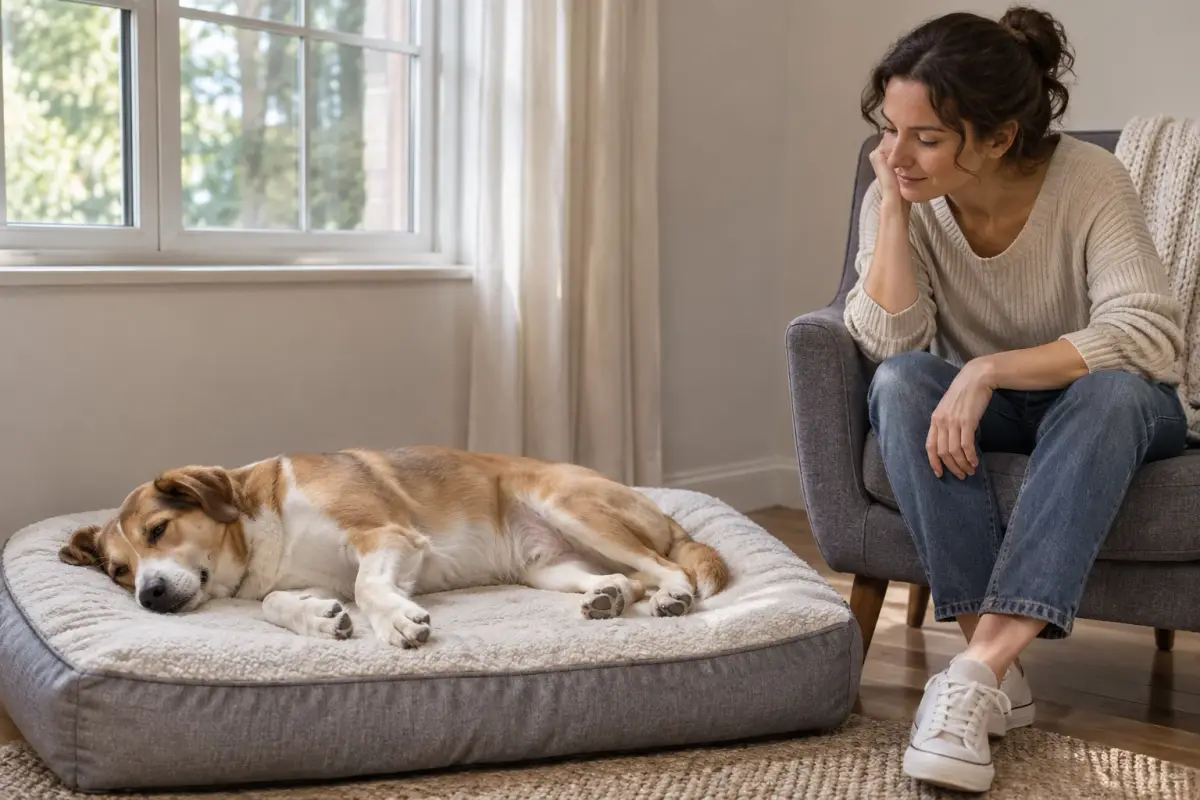
Every clinic and every dog is a little different, and the discharge sheet you were handed is the plan to follow. Dogs may go home groggy, and the care that matters most in the first day is a quiet space, water within reach and close watching. Do not add or skip steps based on a general article, including this one.
The ASPCA Spay/Neuter Alliance says appetite should return within 24 hours, and that after getting home you can offer a half-size meal and then resume the normal evening meal. It also says to keep water available and not to change the diet or add table scraps. If your dog still is not eating after that window, call the clinic.
Limit running, jumping and play
The ASPCA Spay/Neuter Alliance says to keep movement limited for the 7 to 10 day recovery period, because running, jumping or playing can disrupt healing. The American College of Veterinary Surgeons says dogs should go outside on a leash for bathroom breaks only unless your team says otherwise, and that exercise is usually increased in stages as healing allows.
On a practical level, that means a crate or a small room when you cannot supervise, a leash even in your own yard, and no furniture jumping. Small dogs can be carried on stairs. A puppy playpen can make a safe resting area, and a calm chew or lick toy can help pass the time when your vet says it is fine. High-energy dogs are the hard case, so plan quiet enrichment ahead.
Check the incision every day
The ACVS says checking the incision daily helps catch complications early. The ASPCA Spay/Neuter Alliance recommends checking at least twice a day. Female dogs have a midline belly incision and males have one near the scrotum, and a little redness or swelling early on can be expected while the area heals.
Report anything that looks worse over time. ACVS lists increasing redness, swelling, heat, discharge, odor or opening of the incision as reasons to call. The ASPCA says to keep the incision dry and not to apply ointment, and to skip baths during the recovery period because surgical glue can dissolve when wet. Skin sutures or staples, if used, are removed on your vet's schedule.
Stop licking and chewing
Licking can cause infection or reopen the incision, according to the ASPCA Spay/Neuter Alliance, which suggests distracting your dog with treats and using an Elizabethan collar if needed. ACVS says an e-collar is commonly recommended to prevent access to the incision, and that your veterinary team decides how long it stays on.
If your dog can still reach the site while wearing one, the ASPCA says to use a larger collar or call the clinic. Some owners look at soft collars or other options. Our guides to the best dog cone options and cone alternatives for dogs explain the types, and you can browse our dog cone alternatives, but ask your vet whether a substitute is acceptable for your dog's surgery before relying on one.
When to call the clinic
The ASPCA Spay/Neuter Alliance says to contact the clinic right away for lethargy lasting more than 24 hours after surgery, vomiting or diarrhea, pale gums, an unsteady gait, loss of appetite or drinking less, discharge or bleeding from the incision, trouble urinating or defecating, or labored breathing.
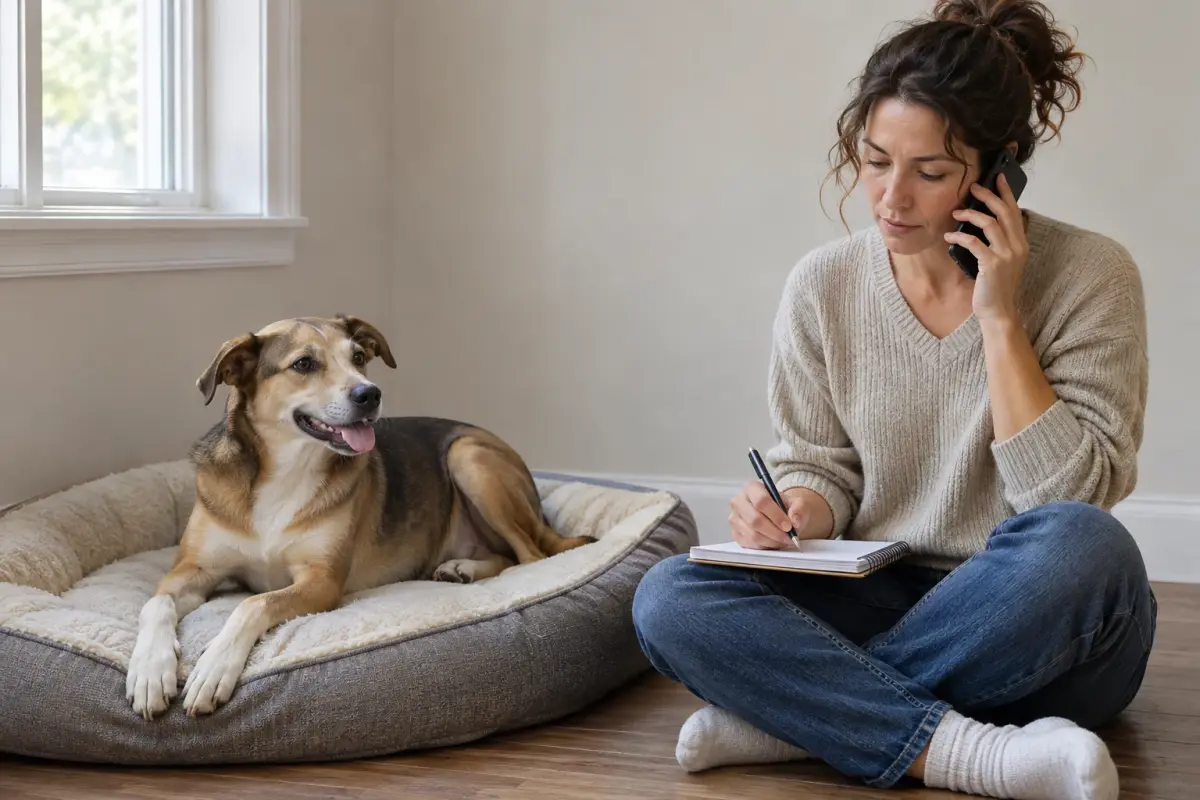
ACVS also says to report licking or chewing that cannot be controlled, persistent or worsening pain, and behavior changes that do not improve. Call the clinic that did the surgery first, or an emergency vet if it is after hours. Do not give human pain medicine, because many are dangerous to dogs.
Returning to normal and cost questions
Do not stop restrictions on your own because your dog seems fine. Dogs often feel better long before the incision is ready, and ACVS says activity is increased in stages, guided by healing and follow-up visits. Ask your vet when the recheck is and when walks, play and bathing can resume.
If you are still planning the surgery, our guide to spay and neuter costs covers what affects the price. For a quiet recovery space, browse our dog cone alternatives and dog cones while you set up, and keep the clinic's number handy.
This page is general information, not veterinary advice, and it cannot replace an examination by the vet who knows your pet.
Common questions
How long does a dog need to recover from a spay or neuter?
The ASPCA Spay/Neuter Alliance says to restrict activity for 7 to 10 days. Your vet's discharge instructions and recheck decide the actual timeline for your dog.
Can my dog sleep without a cone after neutering?
Only if your vet says so. ACVS says an e-collar is commonly recommended to keep dogs from the incision, and your veterinary team decides how long it stays on.
Is it normal for the incision to be red or swollen?
Mild redness or swelling can be expected early on, according to ACVS. Increasing redness, heat, discharge, odor or an opening incision should be reported to your vet.
When can I bathe my dog after surgery?
The ASPCA Spay/Neuter Alliance says not to bathe your dog during the 10-day recovery period because the surgical glue can dissolve. Ask your vet for the right date for your dog.
Sources we checked
This guide is general information, not veterinary advice. If your pet is unwell or injured, contact your veterinarian.


