Care & how-to
Dog Noise Phobia: Why Is My Dog Scared of Loud Noises?
Noise phobia is an intense, out-of-proportion fear of sounds such as thunder, fireworks, gunshots, smoke alarms, trucks or even a dropped pan. A dog that seems scared of everything is often reacting to sound first. It is a real fear response, not stubbornness, and it usually improves with a calm retreat, sound masking and slow, reward-based desensitization. A sudden new fear, especially in an older dog, should be checked by your vet.

By Matt GarnettUpdated November 14, 20264 min read3 sources
What noise phobia looks like
A noise-phobic dog does more than flinch. It may tremble, pant, drool, pace, hide, bark, cling to you or try to escape, and it can take a long time to settle once the sound has stopped. Some dogs freeze and shut down, which can look like calm until you notice the tucked tail, wide eyes and refusal to eat.
Common triggers include thunder and fireworks, but also smoke alarm chirps, microwave beeps, garbage trucks, motorcycles, construction, nail guns and the hiss of an aerosol. The pattern to watch for is a reaction much bigger than the sound deserves and one that repeats or grows.
Why is my dog scared of everything?
Fear often spreads. A dog that learns to fear fireworks may start reacting to anything sudden, then to the places and times where scary sounds happened, such as the backyard at dusk or the kitchen where the smoke alarm went off. That generalizing is why some owners feel their dog is suddenly scared of everything.
Other factors include limited exposure to everyday sounds as a puppy, genetics and temperament, and one very frightening event. Pain also matters: a dog with sore joints or an upset stomach may tense and startle more easily, and dogs losing their hearing can be more easily surprised.
What to do when your dog panics at a noise
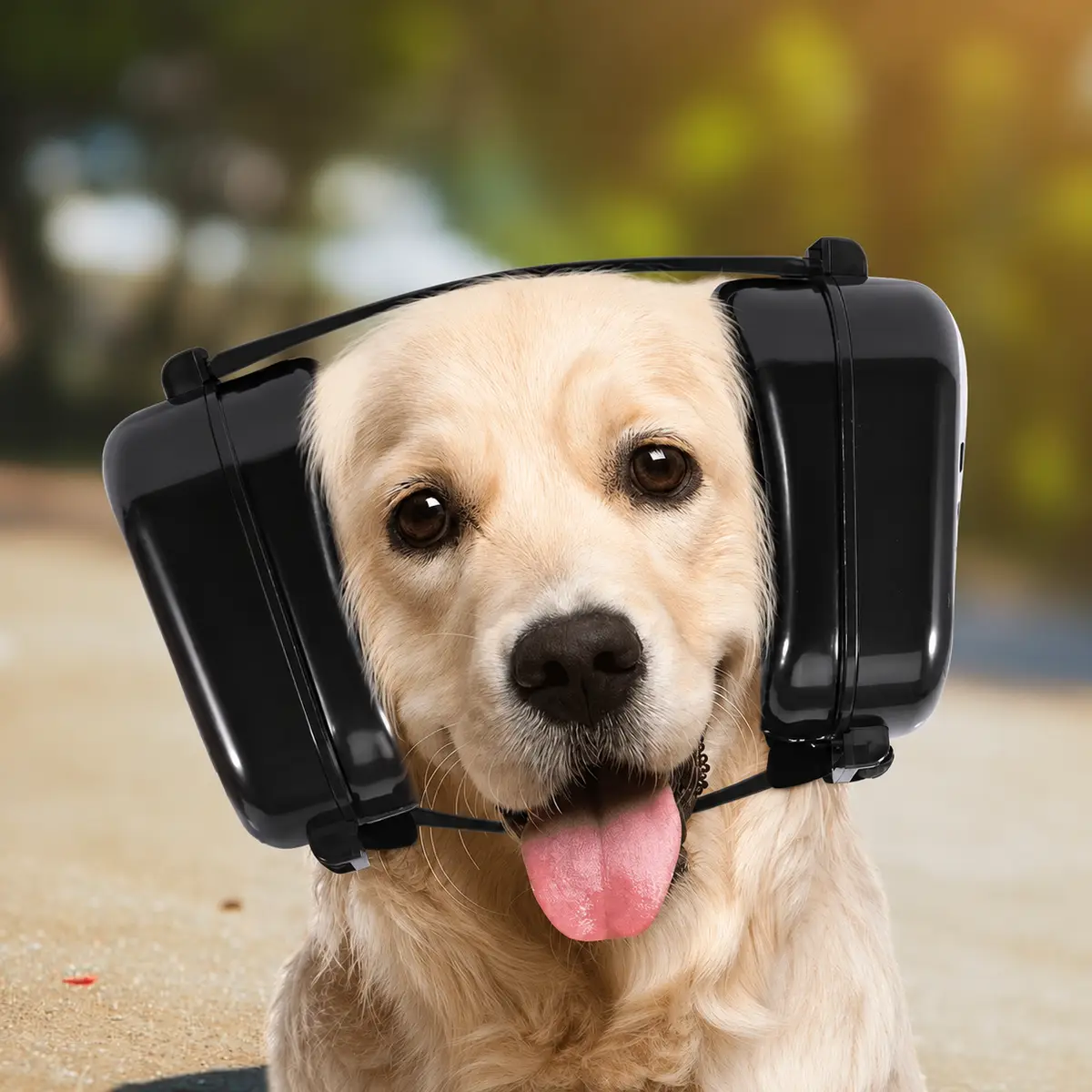
Move your dog away from the sound if you can, to a quieter inside room, and let it choose a hiding spot. Turn on a fan, white noise or music to soften further noise. Some owners also try dog ear muffs, such as padded noise-reducing ear muffs, introduced slowly with treats so your dog links them to good things. Offer a chew or food toy if your dog will take it, and otherwise just sit nearby calmly.
Do not drag a frightened dog toward the noise to show it there is nothing to fear, and never punish fear. Both make the next reaction worse. For predictable triggers such as a smoke alarm test or a neighbor's building work, plan ahead: take your dog out first or set up the quiet room before it starts.
Training that helps: desensitization and counterconditioning
Desensitization means meeting the sound at a level your dog can handle, and counterconditioning means pairing it with something great. Play a recording of the trigger very quietly, feed your dog treats or a meal while it plays, then stop the sound and the treats together. Over many short sessions, raise the volume a little at a time.
If your dog stops eating, freezes or leaves, you have gone too far, so go back a step. Progress takes weeks or months. Alongside it, build confidence with easy training, predictable routines and a settle-on-a-mat cue your dog knows well. A cozy retreat with a calming dog bed gives that cue a place to happen, and dog calming products such as calming toys can sit alongside the plan, though none of them replaces training or a vet check. A certified behavior consultant can tailor the plan.
When to call your vet
Book a vet visit if the fear is new or sudden, if your dog is older, if it is spreading to more sounds, or if your dog hurts itself trying to escape. Your vet can look for pain, hearing loss or other illness that can make sounds harder to tolerate.
For a dog whose fear stops it from learning, your vet may discuss medication alongside training. Only your vet can decide that, and you should never give human medicines.
This page is general information, not veterinary advice, and it cannot replace an examination by the vet who knows your pet.
Common questions
Can a dog grow out of noise phobia?
Most dogs do not simply grow out of it, and many get worse without help. With gradual desensitization, sound masking and sometimes vet-prescribed treatment, many dogs become much more comfortable, even if some fear remains.
Why is my dog suddenly scared of loud noises?
A single frightening event can start it, but sudden new fear, especially in an older dog, can also come from pain, illness or hearing changes. Ask your vet to check your dog before starting a training plan.
Does playing music help a dog with noise anxiety?
It can. Steady background sound such as music, a fan or white noise masks sudden noises and makes them less startling. Start it before the trigger begins and keep the volume comfortable.
Is noise phobia the same as separation anxiety?
No, but they often occur together. Noise phobia is fear of sounds, while separation anxiety is distress at being alone. A dog with both may panic most when a storm or bang happens while it is home alone.
Sources we checked
This guide is general information, not veterinary advice. If your pet is unwell or injured, contact your veterinarian.