Buying guides
Best Ear Muffs for Dogs: How to Choose Noise Protection That Fits
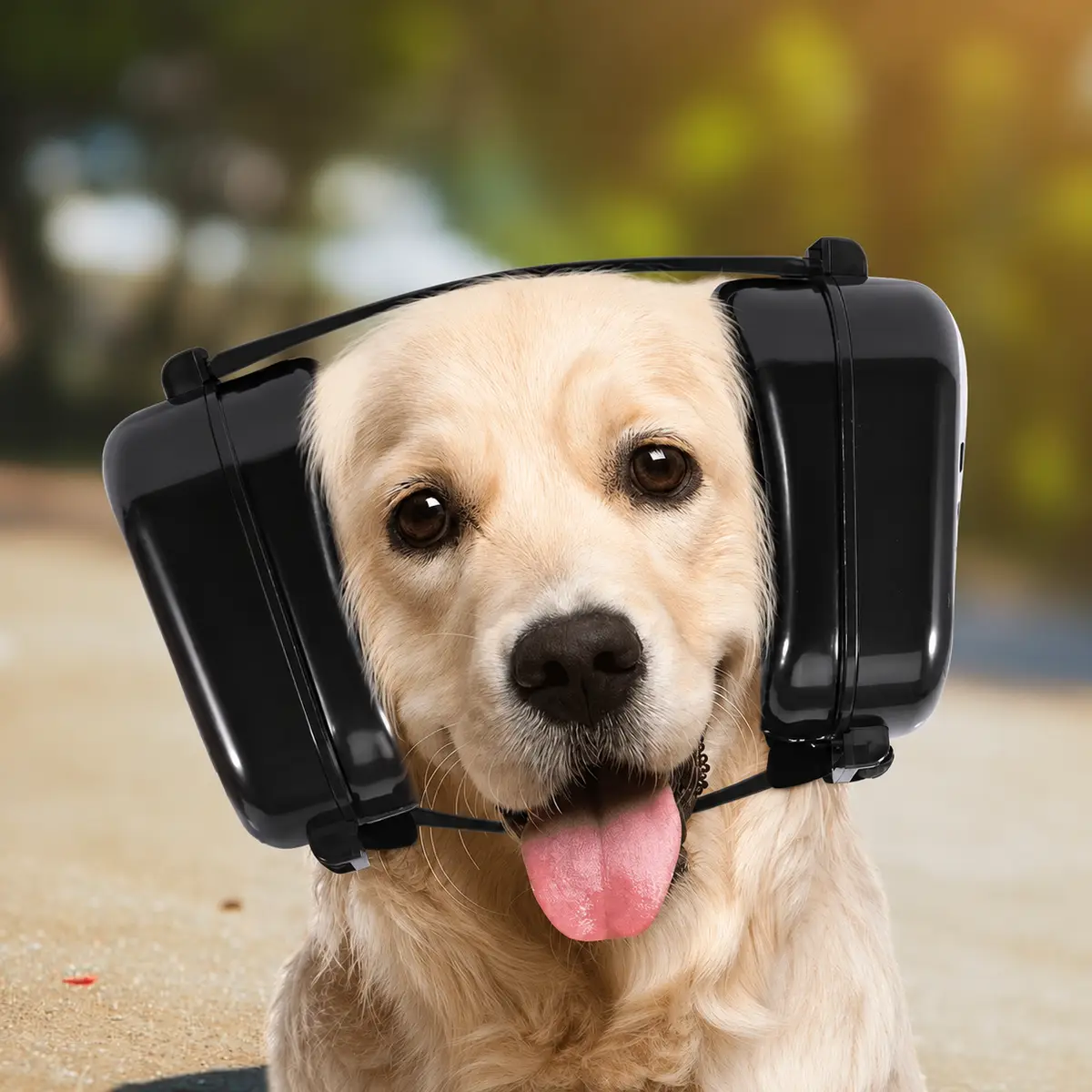
Good dog ear muffs reduce noise rather than block it completely, fit your dog's head snugly, and are light enough for your dog to forget they are there. The AKC advises checking the maker's estimated decibel reduction, measuring your dog's head against the sizing guide, and introducing muffs gradually with rewards. They work best alongside behavior training, not as a cure for noise fear.
By Matt GarnettUpdated November 14, 20263 min read2 sources
When ear muffs help
The AKC says ear muffs for dogs are not needed for everyday use, but may help dogs exposed to intense or unavoidable noise: hunting or working dogs near gunfire, dogs near fireworks, dogs in noisy cities, kennels or travel, noise-sensitive dogs, and dogs during long grooming sessions with loud dryers.
They are a tool for reducing exposure. For a dog with a real fear of storms or fireworks, they work best combined with behavior training and, where needed, a plan from your vet.
What matters most: reduction and fit
Noise reduction: the AKC recommends checking the manufacturer's estimated decibel reduction and avoiding muffs that cancel all sound, because dogs need to hear their surroundings for safety. Moderate reduction is the goal.
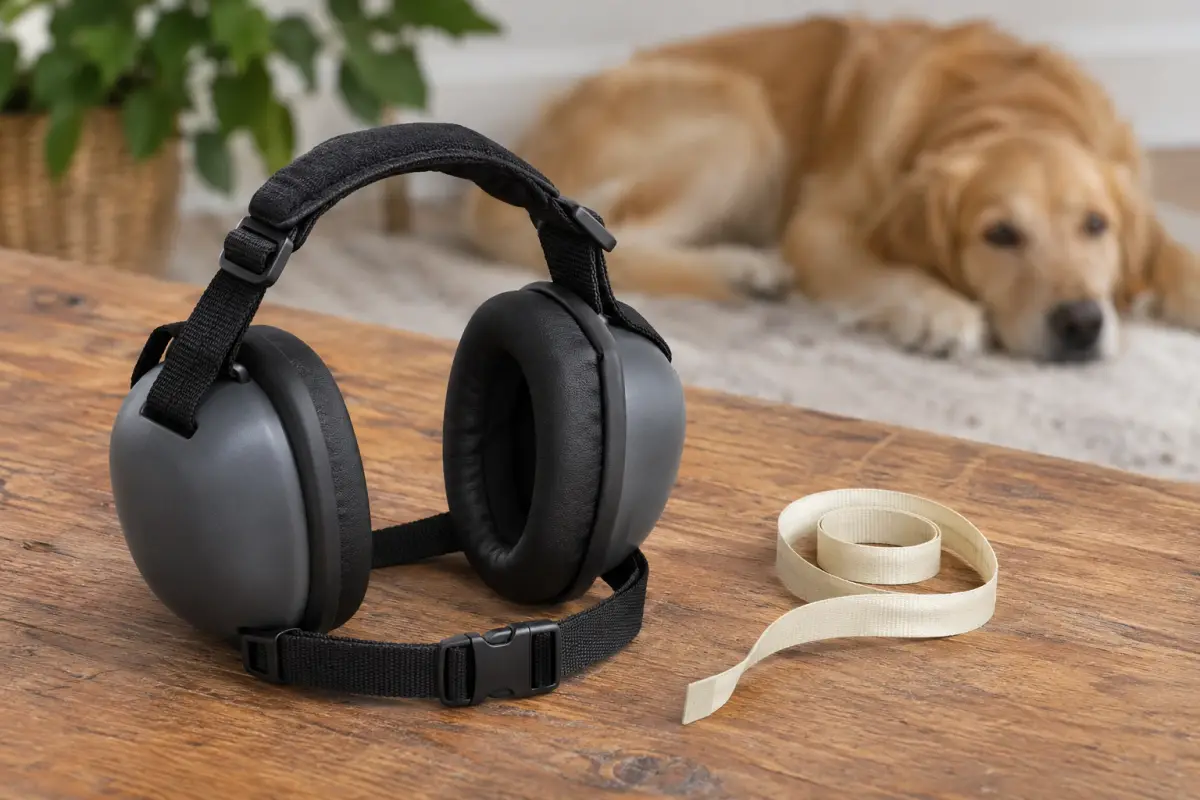
Fit: muffs that shift or do not seal properly will not reduce noise well, the AKC notes. Measure your dog's head, follow the sizing guide, choose adjustable straps, and pick lightweight models for small dogs.
Check that the band does not press on the eyes or pinch the skin, and that your dog can still open its mouth and pant freely.
Types compared
Hard-cup ear muffs give the most noise reduction and suit working dogs and dogs near loud events. Soft calming hoods and snoods are fabric bands over the ears; they offer milder comfort and are better accepted by some dogs, the AKC notes. Noise-cancelling headphones for dogs are rare and need careful fitting.
Ear plugs and cotton balls are sometimes suggested, but anything placed in the ear can be lost or swallowed, so only use them on your vet's advice.
Introducing ear muffs
The AKC recommends gradual, reward-based training in a calm, familiar setting before you need the muffs. Let your dog sniff them, touch them to an ear with a treat, then hold them briefly on the head. Increase wearing time slowly over days.
Practice when it is quiet, not during the first fireworks night. Some dogs never tolerate muffs, and that is fine; a soft hood or other calming strategies may suit them better.
Other ways to help a noise-sensitive dog
Give your dog a quiet, enclosed retreat, such as a covered crate or an interior room, play steady background sound, close curtains, and stay calm and nearby. A lick mat or chew can help pass the time.
Panting, pacing, trembling, hiding or trying to escape during noise are signs of real fear (see our guide to dog noise anxiety). Talk to your vet about a longer-term plan, which may include desensitization training. Never give any medicine for noise fear unless your vet prescribes it.
Care and lifespan
Wipe cups and straps after use and let them dry. Check padding and straps for wear; worn padding seals poorly and lets in more noise.
Replace dog ear muffs when the padding flattens or cracks, or when your dog grows out of the size. If your dog scratches at its ears or shakes its head a lot after wearing muffs, have its ears checked by your vet.
This page is general information, not veterinary advice, and it cannot replace an examination by the vet who knows your pet.
Common questions
Do ear muffs for dogs really work?
They can reduce noise for dogs exposed to loud sounds, when they fit well. The AKC notes they lower noise rather than block it and work best combined with behavior training.
How do I choose the right size dog ear muffs?
Measure your dog's head and follow the maker's sizing guide, choosing adjustable straps. The AKC says muffs that shift or do not seal will not reduce noise well.
Can ear muffs help a dog during fireworks?
They may help, especially if your dog has practiced wearing them beforehand. Combine them with a quiet retreat and background sound, and ask your vet about a plan for severe fear.
Are calming hoods better than ear muffs?
Hoods give milder noise reduction but some dogs accept them more easily. The AKC suggests soft hoods for dogs that will not tolerate muffs. Try both at home before an event.
Sources we checked
This guide is general information, not veterinary advice. If your pet is unwell or injured, contact your veterinarian.