Food safety
Can Dogs Eat Walnuts? No — Black and Moldy Ones Are Toxic
No, walnuts are best kept away from dogs: black walnuts and any moldy walnut can poison a dog, causing vomiting, tremors and seizures. Plain English walnuts from the grocery store are not toxic in themselves, but they are fatty, a choking risk and easy to confuse with the dangerous kind. If your dog ate black walnuts, moldy walnuts or a large amount of any walnut, call your vet, ASPCA Animal Poison Control at (888) 426-4435 or Pet Poison Helpline at (855) 764-7661. A consultation fee may apply.
By Matt GarnettUpdated November 13, 20264 min read2 sources
Why walnuts are risky for dogs
The AKC separates two walnuts. English walnuts, the common grocery kind, are not necessarily toxic but are still best avoided. Black walnuts, the native tree that drops green-husked nuts across yards in much of the eastern United States, are described as extremely toxic to dogs, partly because of a compound called juglone.
Mold makes any walnut dangerous. Walnuts can grow mold from moisture and heat during harvest and storage, and the AKC notes moldy nuts can carry aflatoxin and penitrem A, a tremor-causing mycotoxin. Fallen nuts that have sat in damp leaves are the classic source of this kind of poisoning.
Fat, salt and choking hazards
Even safe walnuts are mostly fat. The ASPCA warns that nuts high in oils and fats can cause vomiting, diarrhea and possibly pancreatitis. A walnut half is around 13 calories, so a handful adds up fast for a small dog.
Walnuts in the shell or in big pieces can choke a dog or block the intestines, especially in small breeds. Candied, salted, honey-roasted and seasoned walnuts add sugar, salt, onion or garlic, and walnuts often turn up in baked goods next to raisins or chocolate, both of which are poisonous to dogs.
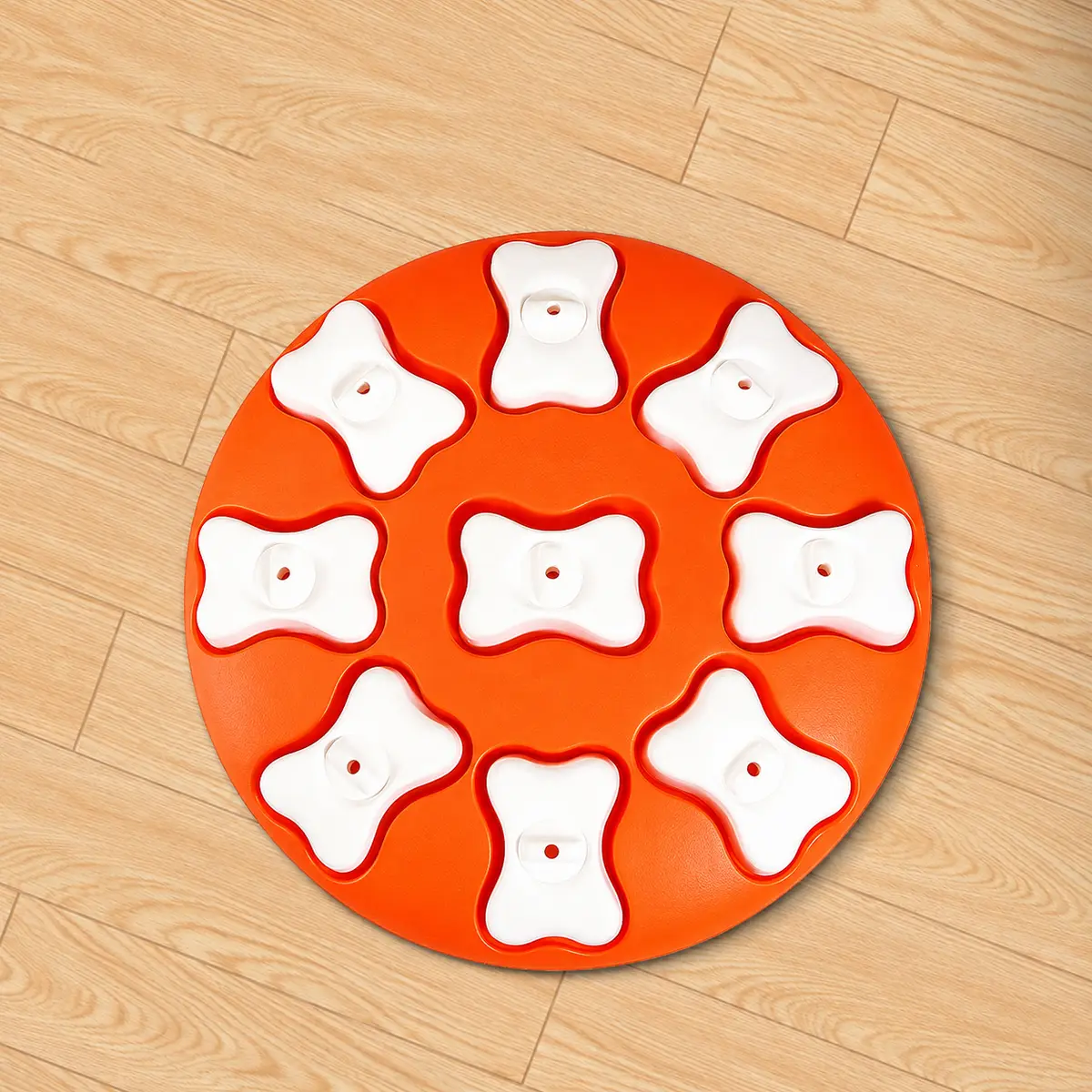
Spreading a few safe pieces across a snuffle mat or packing them into a puzzle toy turns a small treat into a few minutes of sniffing work.
What to do if your dog ate walnuts
If the nuts were black walnuts, moldy, or you are not sure, call your vet or a poison line right away. Tremor-causing mold toxins can act within hours, so do not wait for signs. Say what kind of walnuts they were, roughly how many, when, and your dog's weight.
If your dog ate one or two plain, fresh English walnuts, the AKC notes they are unlikely to suffer ill effects. Keep water down and watch for the next day. Do not make your dog vomit at home unless a vet tells you to and talks you through it.
Signs to watch, and when to see a vet
Mold toxin poisoning usually starts with vomiting, restlessness and panting, then muscle tremors, wobbliness and seizures, often within a few hours. Those signs need an emergency vet today. Juglone from black walnuts tends to cause vomiting, diarrhea and stomach upset that can last hours or worsen.
After a fatty binge on plain walnuts, watch over one to three days for repeated vomiting, a painful or hunched belly, weakness, refusing food or greasy diarrhea. Call your vet if any appear. Gagging or retching after swallowing a whole nut can mean it is stuck.
Black walnut trees in the yard
If you have a black walnut tree, clear fallen nuts and husks every day in the fall, and do not let your dog chew them. The green husks go black and mushy as they rot and are often moldy by the time a dog finds them.
Walnut shells and husks in a compost pile or leaf heap are another source, so fence those off. Dogs that roam fields, parks or wooded trails in autumn should be watched closely around fallen nuts, since you may not know which tree they came from.
Puppies and small dogs
Puppies are the most likely to pick up and chew a fallen walnut, and the most likely to choke on one. Their small size also means a few nuts make a larger dose of fat or toxin. Keep bowls of nuts off coffee tables and out of the reach of a curious puppy.
Dogs under 20 lb should not have walnuts at all, even plain ones, because a single nut is a big piece for a small throat and a big fat load for a small pancreas. Ask your vet about safer chew options for a dog that loves to crunch.
Other nuts and safer swaps
Macadamia nuts are toxic to dogs and can cause weakness, tremors and overheating. Pecans can carry the same molds as walnuts. Plain, unsalted peanuts or a lick of xylitol-free peanut butter are safer if you want to share a nutty flavor, in small amounts. Carrot sticks and dog chews give crunch without the fat.
This page is general information, not veterinary advice, and it cannot replace an examination by the vet who knows your pet.
Common questions
Is one walnut toxic to a dog?
One fresh, plain English walnut is unlikely to harm a healthy medium or large dog. A black walnut or any moldy walnut is different and is worth an immediate call to your vet or a poison line.
Are black walnuts poisonous to dogs?
Yes. The AKC describes black walnuts as extremely toxic to dogs, partly because of juglone and partly because fallen nuts often grow tremor-causing molds. Keep dogs away from black walnut trees.
Can dogs eat walnut shells?
No. Shells can choke a dog, cut the mouth and block the intestines, and shells from fallen nuts are often moldy. Call your vet if your dog has swallowed shell pieces.
Can dogs eat banana bread with walnuts?
It is best not to. Banana bread is sugary and buttery, the walnuts add fat, and some recipes include raisins, chocolate chips or xylitol. Check the recipe and call your vet if any of those were in it.
How long after eating moldy walnuts will a dog show signs?
Signs such as vomiting, panting, tremors and seizures often start within a few hours, sometimes sooner. Call a vet or poison line as soon as you suspect it rather than waiting.
Sources we checked
This guide is general information, not veterinary advice. If your pet is unwell or injured, contact your veterinarian.