Food safety
Can Dogs Eat Sunflower Seeds? Yes, Shelled and Unsalted
Yes, dogs can eat sunflower seeds in small amounts, as long as they are shelled, plain and unsalted. The AKC calls them a reasonable occasional treat, with vitamin E and healthy fats, but warns that the shells do not digest and can cause blockages, and that salted snack seeds risk salt toxicosis. Seeds are also fatty, so dogs prone to pancreatitis should skip them. A sprinkle on food, rather than a handful, is the right way to share.
By Matt GarnettUpdated November 13, 20264 min read3 sources
Why plain sunflower seeds are safe for dogs
Sunflower seed kernels contain protein, fiber, vitamin E, several B vitamins and minerals such as selenium and copper. The AKC notes that their fatty acids may help skin and coat condition, which is why they sometimes appear in dog treats.
They are also calorie-dense. According to the AKC, a quarter cup of shelled seeds holds about 14 grams of fat and 163 calories, which is a large share of a small dog's daily food. That is why the safe amount is measured in seeds, not cups.
Shells, salt and fat: the real risks
The AKC warns against letting dogs eat sunflower seed shells. The hard husks do not digest and can cause choking, vomiting, diarrhea, abdominal pain or an intestinal blockage, especially when a dog eats a large pile spat out by people or spilled from a bird feeder.
Most packaged sunflower seeds sold as snacks are heavily salted or flavored with ranch, dill pickle or barbecue seasoning, some of which contain garlic and onion. Salted seeds can cause salt toxicosis, with tremors and weakness, and the fat in any seed can upset a sensitive stomach or trigger pancreatitis.
How to serve sunflower seeds
Buy raw or dry-roasted sunflower kernels that are already shelled and labeled unsalted. Sprinkle a few over your dog's food, or crush them and mix into homemade dog treats. Crushing helps small dogs that tend to swallow seeds whole.
Sunflower seed butter can be used as an occasional lick from a spoon or spread inside a toy, as long as the ingredients are only seeds and perhaps a little oil. Check the label for xylitol and added sugar, and keep it to a small spoonful.
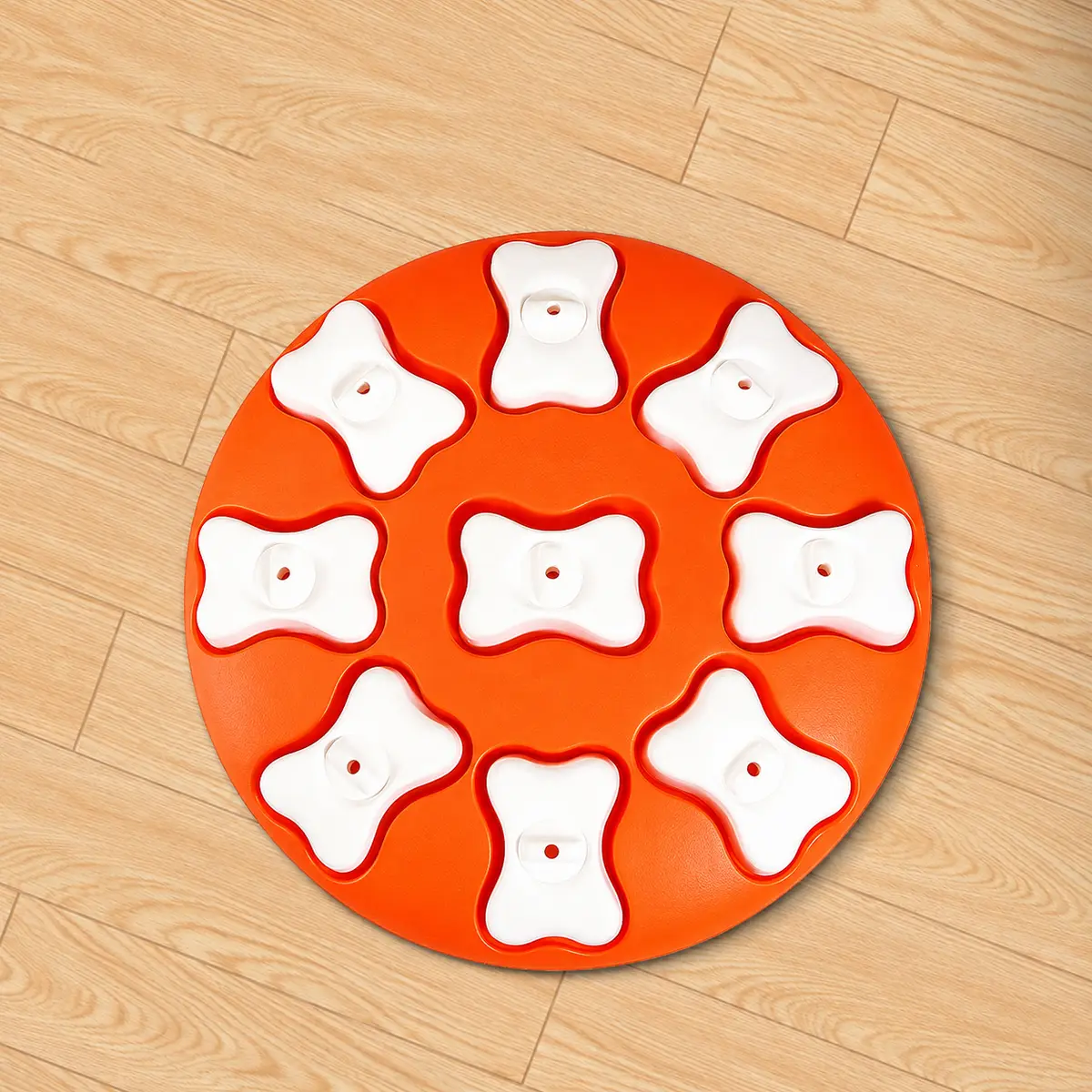
Spreading a few safe pieces across a snuffle mat or packing them into a puzzle toy turns a small treat into a few minutes of sniffing work.
How many sunflower seeds can a dog eat?
The AKC suggests about 10 to 20 seeds a week for small dogs and up to 20 to 40 a week for large dogs. As a practical guide: under 20 lb, a pinch of five to ten seeds at a time; 20 to 50 lb, about ten to fifteen; over 50 lb, up to twenty, a couple of times a week.
Dogs with pancreatitis, a sensitive stomach, or on a low-fat or weight-loss diet should not have sunflower seeds. Ask your vet before adding seeds if your dog has any medical condition.
Puppies and sunflower seeds
Puppies are more prone to choking and their stomachs are more sensitive to fat, so sunflower seeds are not a necessary treat for them. If you do offer some to an older puppy, crush a few plain shelled kernels and sprinkle them over food.
Keep bags of seeds, bird feeders and the ground beneath them out of reach. Puppies happily eat fallen seed husks, which can cause vomiting or a blockage, and moldy bird seed can make dogs ill.
Signs to watch for and when to call a vet
Too many seeds usually cause vomiting, a soft or greasy stool or gas within a few hours. Shells can cause retching, constipation or straining, sometimes a day or two later as they move through the gut.
Call your vet the same day if your dog ate a large amount of shells and is vomiting, straining, off food or has a painful belly, or if your dog ate salted or seasoned seeds and is very thirsty, trembling or weak. Repeated vomiting, a hunched posture or lethargy after a fatty snack can be signs of pancreatitis and also need a vet.
Other crunchy treats for dogs
If your dog enjoys a crunch, small pieces of raw carrot, green beans or apple slices without the core are low in fat and easy to portion. The ASPCA lists these among the snacks that are okay to share, cut small to avoid choking.
Plain air-popped popcorn, with no butter or salt, and a few pumpkin seeds roasted plain are other occasional options. Keep all treats to a small part of the day so your dog's complete food still does the work.
This page is general information, not veterinary advice, and it cannot replace an examination by the vet who knows your pet.
Common questions
Can dogs eat sunflower seeds with shells?
No. The AKC warns that the hard shells do not digest and can cause choking, vomiting, belly pain or a blockage. Only give shelled kernels, and call your vet if your dog ate a large amount of shells.
Can dogs eat salted sunflower seeds?
It is best to avoid them. Salted seeds can cause salt toxicosis, with signs such as tremors, weakness and stomach upset. A few are unlikely to harm a large dog, but call your vet if your dog ate a bag.
Can dogs eat sunflower seed butter?
Yes, an occasional spoonful of plain sunflower seed butter is fine. Choose one without xylitol, added sugar or salt, and remember it is high in fat, so keep it to a small lick.
Are sunflower seeds good for a dog's coat?
The fatty acids and vitamin E in sunflower seeds may help skin and coat condition, according to the AKC. A dull coat can also signal a health or diet problem, so mention it to your vet.
Can dogs eat sunflower seeds from a bird feeder?
It is better to keep dogs away from bird feeders. Fallen seed is often still in the shell, may be mixed with other seeds, and can turn moldy on damp ground, all of which can make a dog sick.
Sources we checked
This guide is general information, not veterinary advice. If your pet is unwell or injured, contact your veterinarian.