Food safety
Can Dogs Eat Steak? Yes, Cooked Plain, Lean and Boneless
Yes, in small amounts. A bite of plain cooked steak, trimmed of fat, taken off the bone and cut into small pieces, is fine for most dogs, the American Kennel Club says. Beef is good protein. The risks are what usually comes with a steak: the fat, which can lead to pancreatitis; the bone, which the AKC warns should never be given cooked; garlic, onion and salt in rubs and butter; and raw or rare steak, which can carry Salmonella and E. coli.
By Matt GarnettUpdated November 13, 20264 min read3 sources
Why plain cooked steak is OK for dogs
The AKC says unseasoned, cooked beef can be a healthy source of protein added to a balanced diet, and that depending on the dog, a bite of grilled steak can be offered if it is cut into bite-size pieces and trimmed of fat. Beef is already a common ingredient in dog food.
Steak is a treat, not a meal. Plain meat on its own lacks the balance of calcium, vitamins and minerals in a complete dog food, and the AKC generally advises against regular table scraps. Think a few small pieces now and then, not a share of your plate.
Fat, bones and seasoning: the risky parts
Trim every bit of fat and gristle. The AKC warns that seasoned meat can cause digestive upset and, in worse cases, pancreatitis, and fatty cuts such as ribeye or the fat cap on a strip steak are the main source. VCA also warns that added fat can lead to pancreatitis.
Never give the bone. The AKC says never to give a dog cooked bones of any kind, because they splinter and can injure the mouth, throat or intestines; T-bones and rib bones are common culprits. Steak rubs, marinades and garlic butter often contain onion and garlic, which the AKC says are toxic to dogs, plus a lot of salt.
Raw and rare steak
Raw steak can carry bacteria such as Salmonella and E. coli, the AKC says, which can make dogs and the people handling the meat sick. Rare and medium-rare steak leaves the center undercooked.
If you are sharing, cook your dog's piece through, or cut a piece from the well-done outer edge before any butter or seasoning goes on. Steak tartare, carpaccio and raw trimmings from the cutting board should never be shared, and wash your hands after handling raw meat.
How to prepare steak for your dog
Set aside a lean piece before seasoning. Cook it plain on a grill or in a dry pan until it is no longer pink in the middle, then let it cool. Trim off all fat and gristle and remove any bone.
The AKC recommends cutting meat into bite-size pieces to prevent choking. For a dog under 20 lb, pieces the size of a pea; for 20 to 50 lb, the size of a fingernail; for larger dogs, small cubes. Never hand over a whole strip: dogs gulp, and a large piece of meat can choke even a big dog.
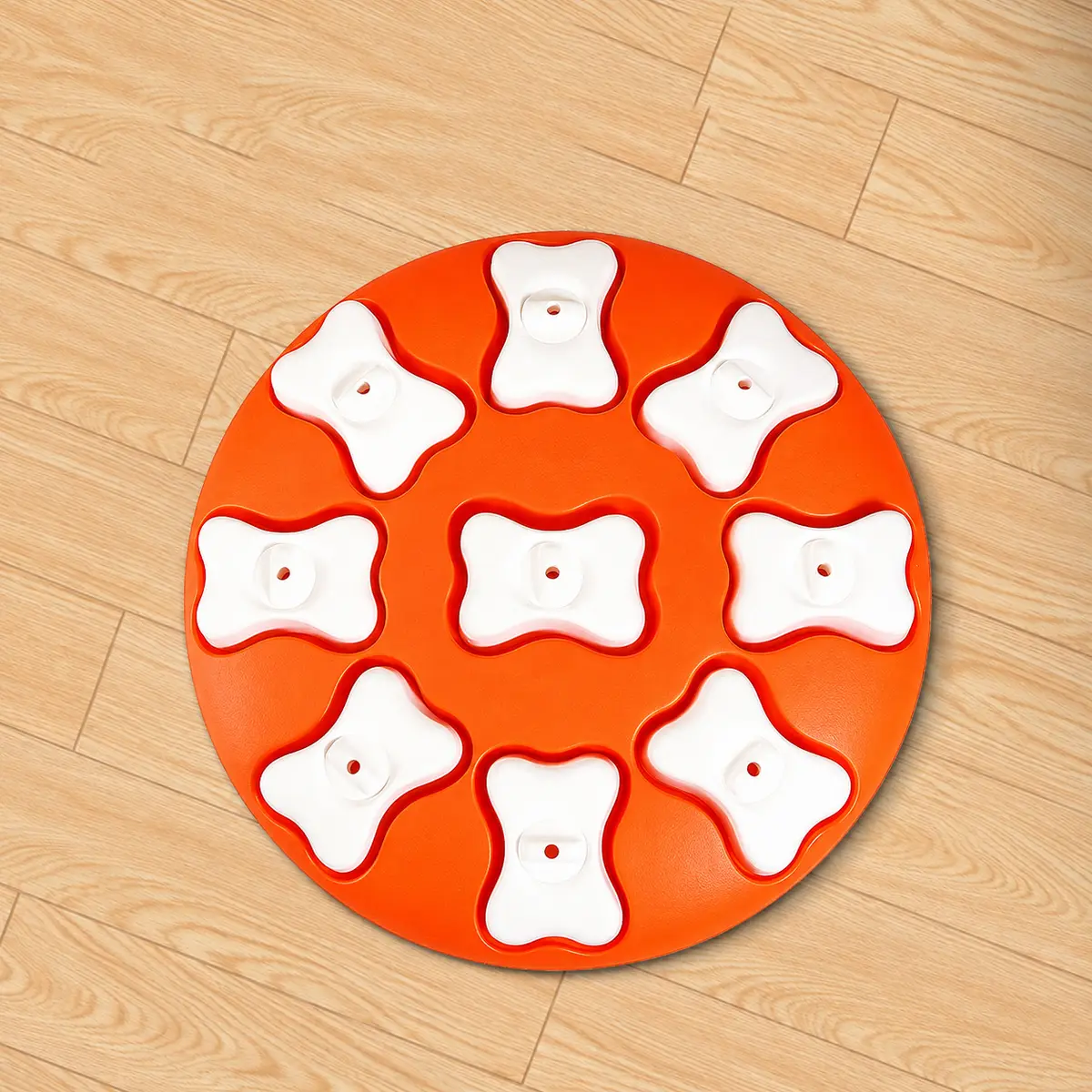
Spreading a few safe pieces across a snuffle mat or packing them into a puzzle toy turns a small treat into a few minutes of sniffing work.
How much steak by dog size
As an occasional treat for a healthy adult dog: under 20 lb, about a tablespoon of small pieces; 20 to 50 lb, two to three tablespoons; over 50 lb, up to a quarter cup. On a day your dog gets steak, trim the regular food or other treats to match.
Skip steak for dogs that have had pancreatitis, have a sensitive stomach, are overweight or eat a prescription diet, unless your vet says otherwise.
Puppies and steak
A weaned puppy can have a few tiny pieces of plain, lean, well-cooked steak as a high-value training reward. Cut them very small, about the size of a grain of rice to a pea depending on the puppy, because puppies gulp and chew poorly.
Keep the amount small so a growing puppy still gets the complete nutrition of its puppy food. Never give a puppy fat trimmings, bones or seasoned or rare meat.
Signs steak disagreed with your dog, and when to call a vet
Mild upset usually shows within a day as a soft stool, gas or one vomit, and usually settles once the rich food is out of the way. Call your vet the same day for repeated vomiting, a hunched back, a sore belly, lethargy or refusing food, which can follow fatty meat.
Get help immediately if your dog is choking, gagging repeatedly or pawing at the mouth after eating steak, or swallowed a cooked bone and is retching, drooling or straining. For leaner treats, try plain cooked chicken breast, turkey or green beans.
This page is general information, not veterinary advice, and it cannot replace an examination by the vet who knows your pet.
Common questions
Can dogs eat steak fat?
It is best not to. Fat trimmings are rich and can cause vomiting, diarrhea or pancreatitis. The AKC advises trimming the fat before sharing a bite of steak.
Can dogs eat steak bones?
No. The AKC says never to give a dog cooked bones of any kind, because they splinter and can injure the mouth, throat or intestines.
Can dogs eat raw steak?
It is not recommended. Raw steak can carry Salmonella and E. coli, which can make dogs and people sick. Cook your dog's piece through before sharing.
Can dogs eat seasoned steak?
No. Steak rubs and butters often contain garlic, onion and salt, which can upset a dog and harm red blood cells. Set aside a plain piece before seasoning.
Can dogs eat steak every day?
Daily steak adds a lot of fat and calories, and plain meat is not a balanced diet. Keep it an occasional treat alongside a complete dog food.
Sources we checked
This guide is general information, not veterinary advice. If your pet is unwell or injured, contact your veterinarian.