Food safety
Can Dogs Eat Shrimp Tails? No — Peel Them First
No, dogs should not eat shrimp tails. The tail and shell are made of tough, brittle chitin that dogs cannot digest well, and the sharp, pointed tail fan can scratch the throat, cause choking or, in larger amounts, irritate or block the gut. The shrimp meat itself is fine: the AKC lists shrimp as safe when it is cooked and peeled. Peel off the shell, pull off the tail, remove the vein, and share a plain piece or two with no butter, garlic or seasoning.
By Matt GarnettUpdated November 13, 20264 min read2 sources
Why shrimp tails are a problem
A shrimp's tail and shell are part of its hard outer skeleton, made largely of chitin. Dogs do not break it down well, so it passes mostly unchanged and can scrape the mouth, throat and gut on the way.
The tail fan is the worst part. It is thin, stiff and pointed, and small dogs in particular can get it caught in the throat or swallow it whole. A single tail usually passes, but a pile of discarded tails from a seafood dinner is a real blockage risk.
Seasonings and restaurant shrimp
Shrimp served with tails on is usually cooked in butter, oil, garlic, Cajun spice or cocktail sauce. The ASPCA warns that garlic and onion can damage a dog's red blood cells, and buttery, fatty dishes can cause vomiting, diarrhea or pancreatitis.
Fried and breaded shrimp, scampi and shrimp boils with sausage are also too fatty, salty and spiced for dogs. Only plain shrimp, steamed or boiled without seasoning, is worth sharing, with the shell and tail removed.
My dog ate shrimp tails: what to do
Check your dog's mouth for any stuck pieces and make sure it is breathing and swallowing normally. If it ate one or two tails, offer water and watch for coughing, gagging, vomiting or a change in appetite over the next day or two.
Call your vet if your dog is gagging, retching, drooling heavily or pawing at its mouth, ate a large number of tails or shells, is small, or ate shrimp cooked with garlic or a lot of butter. Do not try to make your dog vomit, since sharp pieces can cause more damage coming back up.
How to serve shrimp safely, and how much
Use plain shrimp that is fully cooked by boiling or steaming. Peel off the shell and legs, pull off the tail, and remove the dark vein along the back. Cut it into bite-sized pieces for small dogs.
Keep portions small: under 20 lb, one shrimp; 20 to 50 lb, two; over 50 lb, two or three, as an occasional treat. Shrimp is high in cholesterol, and some dogs are allergic to shellfish, so start with one piece the first time.
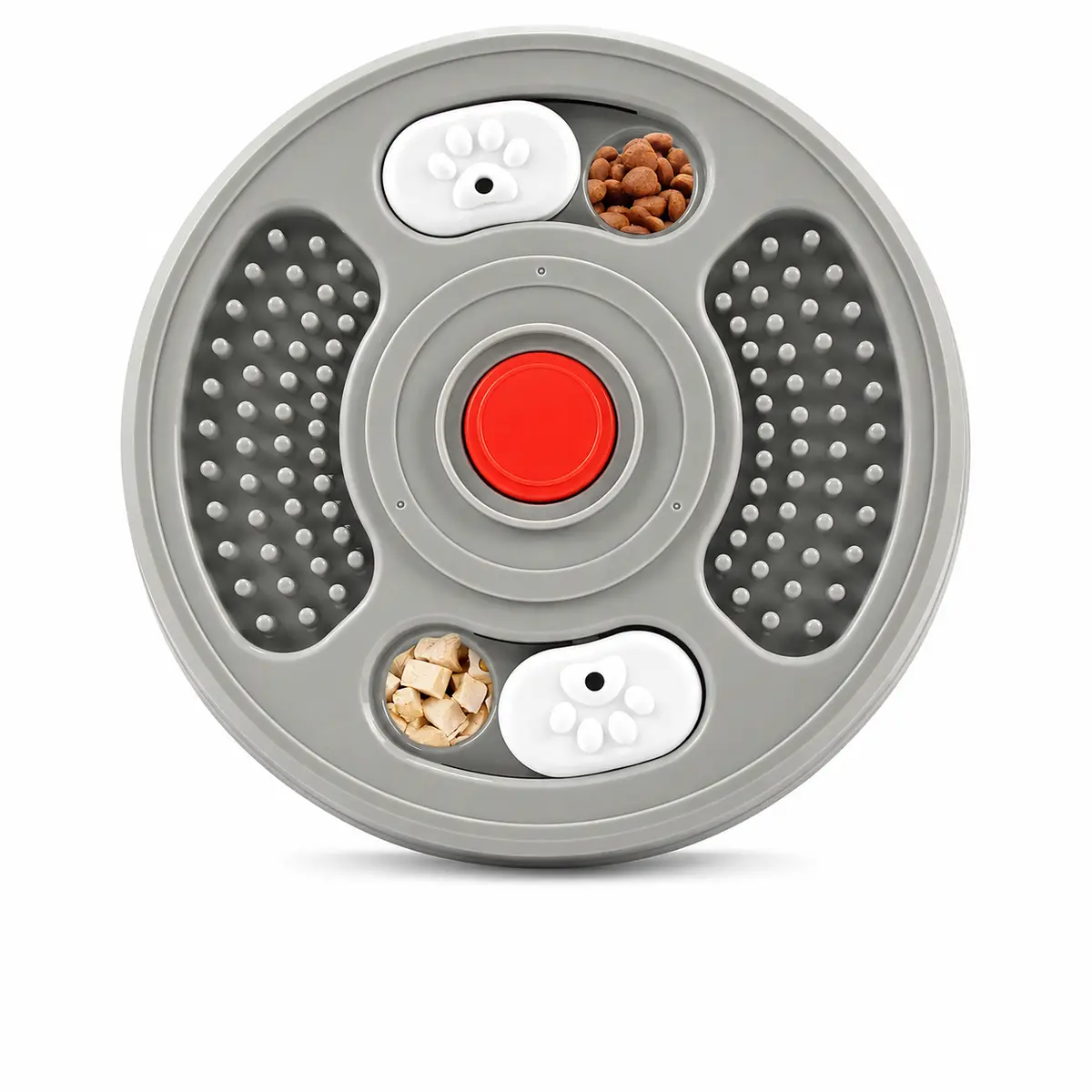
For dogs that gulp anything new, a slow feeder bowl or a lick mat keeps portions small and eating slow.
Puppies and shrimp tails
Puppies are the most likely to choke on a shrimp tail because their throats are small and they swallow quickly. Never give a puppy shrimp with the tail or shell on, and keep seafood plates out of reach.
A tiny piece of plain, cooked, peeled shrimp is fine for an older puppy as an occasional taste. Introduce it on its own so you can spot any stomach upset or allergy before trying other new foods.
Signs to watch for and when to call a vet
Mild signs after eating shrimp tails include coughing, gagging, drooling or a single bout of vomiting, usually soon after eating. A soft stool or mild belly discomfort may follow within a day as the pieces pass.
Get your dog seen the same day for repeated vomiting, retching without producing anything, a swollen or painful belly, straining to pass stool, blood in vomit or stool, or refusing food. Go straight away for trouble breathing or persistent choking.
Safer seafood treats
The AKC lists cooked, boneless fish and cooked, deboned salmon among foods dogs can share, along with cooked, peeled shrimp. A small flake of plain cooked white fish or salmon gives the seafood taste without shells or bones.
When you have a shrimp dinner, bag the shells and tails right away and put them in a lidded trash can. Dogs find them by smell, and a bin raid is how most dogs end up eating a pile of them.
This page is general information, not veterinary advice, and it cannot replace an examination by the vet who knows your pet.
Common questions
Will a shrimp tail hurt my dog?
One shrimp tail usually passes without trouble in a medium or large dog, but it can scratch the throat or cause choking, especially in small dogs. Watch for gagging, vomiting or belly pain and call your vet if you see them.
Can dogs eat shrimp shells?
No. Shells are tough and hard to digest and can irritate the gut or contribute to a blockage. Peel shrimp completely before sharing a plain cooked piece with your dog.
Can dogs eat cooked shrimp?
Yes, plain cooked shrimp is safe in small amounts when it is peeled, deveined and free of butter, garlic and seasoning. The AKC lists cooked, peeled shrimp among foods dogs can eat.
Can dogs eat raw shrimp?
It is best not to. Raw shellfish can carry bacteria and parasites. Cook shrimp fully by boiling or steaming, then peel it, before sharing a small piece.
Can dogs be allergic to shrimp?
Yes, some dogs react to shellfish with itching, vomiting or diarrhea. Offer a single small piece the first time and call your vet if you notice swelling, hives or breathing trouble.
Sources we checked
This guide is general information, not veterinary advice. If your pet is unwell or injured, contact your veterinarian.