Food safety
Can Dogs Eat Sausage? No — Too Fatty, Salty and Seasoned
No, sausage is not a good food for dogs, and many sausages contain garlic or onion, which can poison dogs by damaging their red blood cells. If your dog ate seasoned sausage, call your vet, ASPCA Animal Poison Control at (888) 426-4435 or Pet Poison Helpline at (855) 764-7661; a fee may apply. Sausage is also high in fat and salt, which can upset the stomach and trigger pancreatitis. A tiny bite of plain sausage is usually harmless.
By Matt GarnettUpdated November 13, 20264 min read3 sources
Why sausage is a problem for dogs
Sausage is processed meat made with a high proportion of fat, salt and seasoning. The AKC says dogs should not eat processed pork such as bacon and sausage, because the fat and salt can lead to pancreatitis and heavy thirst. VCA lists a fatty meal as one trigger for pancreatitis in dogs.
Breakfast links, bratwurst, Italian sausage, chorizo, kielbasa, Vienna sausages and hot dogs all share the same problems. Plant-based sausages are not much better, since they are usually salty and seasoned with onion and garlic.
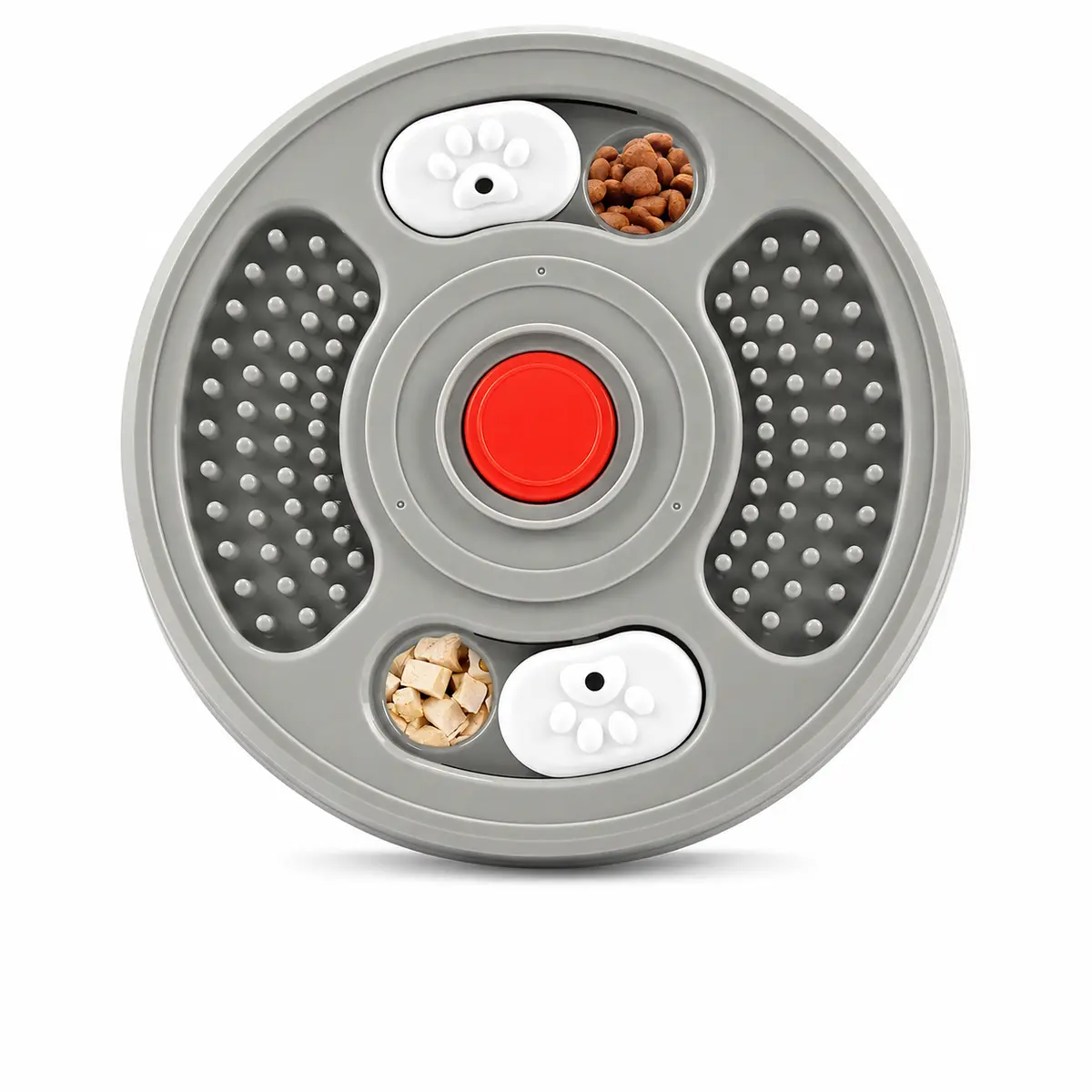
For dogs that gulp anything new, a slow feeder bowl or a lick mat keeps portions small and eating slow.
Garlic, onion and spice: the poisoning risk
Most sausage recipes include garlic, onion or both, often in powdered form, which is more concentrated. The ASPCA warns that these Allium foods damage red blood cells and can lead to anemia. Signs can take a few days to appear, so a dog that seems fine the morning after is not necessarily in the clear.
Spicy sausages add chili and pepper, which irritate the gut, and some include nutmeg, which the AKC lists as harmful to dogs. Call your vet or a poison line if your dog ate a lot of seasoned sausage, and describe the type and how much was eaten.
What to do if your dog ate sausage
If your dog ate a small bite of plain cooked sausage, watch for vomiting, diarrhea or low appetite over the next day. Keep meals normal and water available. Most dogs pass a stolen bite without trouble.
If your dog ate several links, a whole package, seasoned or spicy sausage, or raw sausage, call your vet, ASPCA Animal Poison Control at (888) 426-4435 or Pet Poison Helpline at (855) 764-7661. A fee may apply. Keep the packaging so you can read out the ingredients.
Signs to watch for
Too much fat or salt usually shows up within a few hours to a day as vomiting, diarrhea, gas or heavy thirst. Pancreatitis can follow a fatty meal within one to three days and looks like repeated vomiting, a painful belly, a hunched or praying posture, lethargy and refusing food.
Garlic or onion poisoning can cause weakness, pale gums, fast breathing, red or dark urine and tiredness, often several days later. Any of those signs mean your dog should see a vet that day.
Hot dogs and Fourth of July cookouts
Cookouts on the Fourth of July and through the summer are when dogs most often get sausage and hot dogs, usually from guests or a dropped plate. Hot dogs are salty, processed and easy to swallow whole, which also makes them a choking risk for dogs that gulp.
Keep the grill area off-limits, ask guests not to feed your dog, and empty plates into a closed trash can. Skewers and toothpicks that held sausage are a serious danger if swallowed, and corn cobs from the same table can cause a blockage.
Puppies and sausage
Puppies are more sensitive to fat and salt, and their small size means a single sausage is a large dose of seasoning. There is no reason to give a puppy sausage, even as a training treat.
If a puppy steals some sausage, call your vet for advice, especially if it was seasoned. Puppies can become dehydrated quickly with vomiting or diarrhea, so do not wait if a young puppy seems unwell.
Better meaty treats
If your dog loves the smell of meat, give a few pieces of plain cooked chicken, turkey or lean beef with no skin, bones, salt or seasoning. These offer the same appeal without the fat and garlic.
For training rewards, small pieces of a single-ingredient dog treat or your dog's own kibble work well. Ask your vet if your dog has a history of pancreatitis before adding any meat treats.
This page is general information, not veterinary advice, and it cannot replace an examination by the vet who knows your pet.
Common questions
Can dogs eat hot dogs?
It is better not to. Hot dogs are processed, salty and fatty and may contain garlic or onion. One small piece is unlikely to harm a healthy dog, but they are not a good treat and can be a choking risk.
Can dogs eat breakfast sausage?
No. Breakfast sausage is usually heavily seasoned, often with sage, pepper, garlic or onion, and is high in fat. If your dog ate some, watch for stomach upset and call your vet if it ate a lot.
Can dogs eat raw sausage?
No. Raw sausage can carry harmful bacteria and parasites, as well as the fat and seasoning of cooked sausage. Call your vet if your dog ate raw sausage, especially a large amount.
Can dogs eat Vienna sausages?
They are not a good choice. Vienna sausages are high in fat, salt and preservatives. A dog that ate one is usually fine, but they should not be given as treats.
Can dogs eat turkey or chicken sausage?
Poultry sausage is often leaner, but it is still processed and usually seasoned with salt, garlic and onion. Plain cooked turkey or chicken meat is a far better choice for your dog.
Sources we checked
This guide is general information, not veterinary advice. If your pet is unwell or injured, contact your veterinarian.