Food safety
Can Dogs Eat Raw Beef? Cooked Is Safer — Here's Why
Dogs can physically eat raw beef, but it is not the safe choice: raw meat can carry bacteria such as Salmonella and E. coli, which the ASPCA warns can harm pets and humans alike. VCA Animal Hospitals notes that dogs fed raw food can shed these bacteria in their saliva and stool even when they look healthy. Plain, cooked, lean beef with no seasoning gives your dog the same protein without that risk. If you are considering a raw diet, talk it through with your vet first.
By Matt GarnettUpdated November 13, 20264 min read3 sources
Why raw beef carries a risk
Ground beef and other raw cuts can be contaminated with Salmonella, E. coli, Listeria and other bacteria during processing. Cooking kills them; feeding raw does not. VCA reports that a study of commercial raw dog foods found harmful bacteria in nearly a quarter of samples.
A dog's stomach is acidic, which is why many dogs eat raw meat without getting sick. That does not make the bacteria disappear. VCA notes that dogs can shed harmful bacteria through saliva and feces, spreading them to people and other pets in the home, including pets that never eat raw food.
Risks to the people in your home
Handling raw beef for a dog is the same food-safety job as handling it for a family dinner, done every day. Bowls, counters, hands and the dog's own mouth can all carry bacteria. VCA advises washing hands with soap and water after handling raw food, using separate dishes and cutting boards, and not letting dogs lick your face.
VCA names children, older adults, pregnant people and anyone with a weakened immune system as most at risk of serious illness. If anyone in your household fits that description, cooked meat is the clearly safer choice for your dog.
Bones, balance and what raw diets miss
Raw beef is often fed with bones, and VCA warns that bone fragments can cause intestinal blockages that may need surgery, and in some cases puncture the gut. Cooked bones are worse, as they splinter, so never give any cooked beef bone.
Muscle meat alone is also not a complete diet. VCA notes that raw diets, especially homemade ones, can be deficient in important vitamins and minerals unless a veterinary nutritionist formulated them. Beef as a treat is fine; beef as the whole diet needs professional planning.
How to serve beef safely, and how much
Cook lean beef thoroughly, by boiling, baking or browning in a dry pan, until no pink remains. Drain off the fat, skip salt, garlic, onion and seasoning blends, let it cool and cut it into small pieces or crumble it.
As a treat or topper: under 20 lb, one to two tablespoons of cooked lean beef; 20 to 50 lb, two to four tablespoons; over 50 lb, up to about a quarter cup. Reduce your dog's regular food a little on days you add meat, so calories stay in balance.
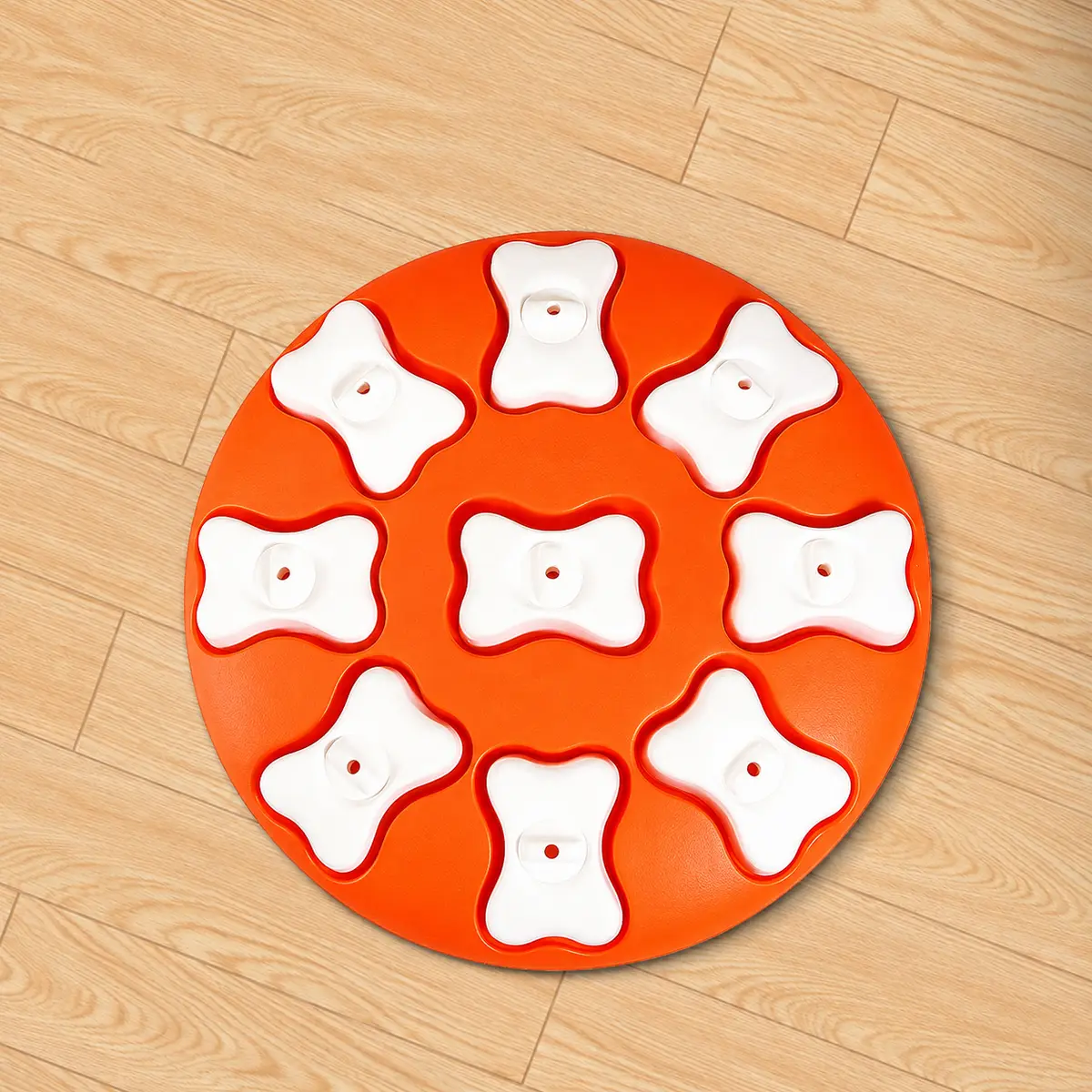
Spreading a few safe pieces across a snuffle mat or packing them into a puzzle toy turns a small treat into a few minutes of sniffing work.
Puppies and raw beef
Puppies have immature immune systems, so bacteria from raw meat are more likely to make them sick, and diarrhea dehydrates a puppy quickly. Growing puppies also need precise calcium and phosphorus levels, which homemade raw beef diets often get wrong.
Feed a puppy a complete puppy food, and if you want to add meat, use small amounts of plain, cooked, lean beef. Ask your vet before trying any raw diet for a puppy.
Signs to watch for and when to call a vet
Food poisoning from raw meat usually shows within one to three days as vomiting, diarrhea that may contain mucus or blood, fever, loss of appetite or lethargy. Fatty beef can also cause stomach upset or pancreatitis, with repeated vomiting and a painful belly.
Call your vet the same day for bloody diarrhea, repeated vomiting, refusing food for more than a day, weakness, or signs of belly pain. If your dog is sick and someone in the household becomes unwell too, mention the raw beef to your own doctor.
Safer protein options
Plain cooked lean beef, chicken or turkey breast, and plain cooked fish are all simple protein treats. The ASPCA lists small amounts of lean, cooked, boneless, unseasoned meat as acceptable, while advising against processed meats high in salt.
For a dog that loves to chew, a durable chew toy or a commercial chew made for dogs is safer than raw bones. Your vet can suggest options that suit your dog's size and chewing style.
This page is general information, not veterinary advice, and it cannot replace an examination by the vet who knows your pet.
Common questions
Can dogs eat raw ground beef?
Raw ground beef has a high risk of bacterial contamination because grinding spreads surface bacteria through the meat. Cook it thoroughly, drain the fat and serve it plain instead.
Is raw beef better for dogs than cooked?
There is no clear evidence that raw beef is healthier, and it carries bacterial risks to dogs and people. Plain cooked beef offers the same protein more safely.
Can dogs eat raw steak?
It carries the same bacterial risk as other raw beef. A small piece of plain, cooked, lean steak with the fat trimmed and no seasoning is a safer treat.
Can dogs eat raw beef bones?
Raw bones can break teeth and cause blockages, and VCA warns bone fragments may need surgery. Cooked bones splinter and are more dangerous. Ask your vet about safer chews.
What should I do if my dog ate raw hamburger meat?
Wash your hands and your dog's bowl, and watch for vomiting, diarrhea or lethargy over the next three days. Call your vet if any appear, or if your dog ate a large amount.
Sources we checked
This guide is general information, not veterinary advice. If your pet is unwell or injured, contact your veterinarian.