Food safety
Can Dogs Eat Popsicles? Ingredients and Stick Safety
No, do not share a human popsicle without checking its recipe: some products contain xylitol that can poison dogs. The AKC also warns that wooden popsicle sticks can lodge in the mouth or create intestinal dangers. This does not rule out every suitable frozen dog reward. It means the ingredients, presentation, and individual dog matter, and an unknown dessert on a stick is not a safe shortcut to a cooling treat.
By Matt GarnettUpdated November 13, 20264 min read4 sources
Read the actual recipe before offering a frozen dessert
The AKC’s veterinarian-written frozen-treat guidance advises avoiding regular sharing of popsicles and similar desserts, particularly when the ingredients are unavailable. A flavor name does not tell you the complete recipe. Read the package or ask for the full homemade ingredient list before considering whether anything can be offered.
If you cannot establish the contents, choose a familiar permitted dog reward instead. Do not rely on another dog having eaten the product, and do not scrape off an outer layer to declare the center suitable. Keep the packaging after an accidental theft so the veterinarian can assess the specific dessert rather than a general category.
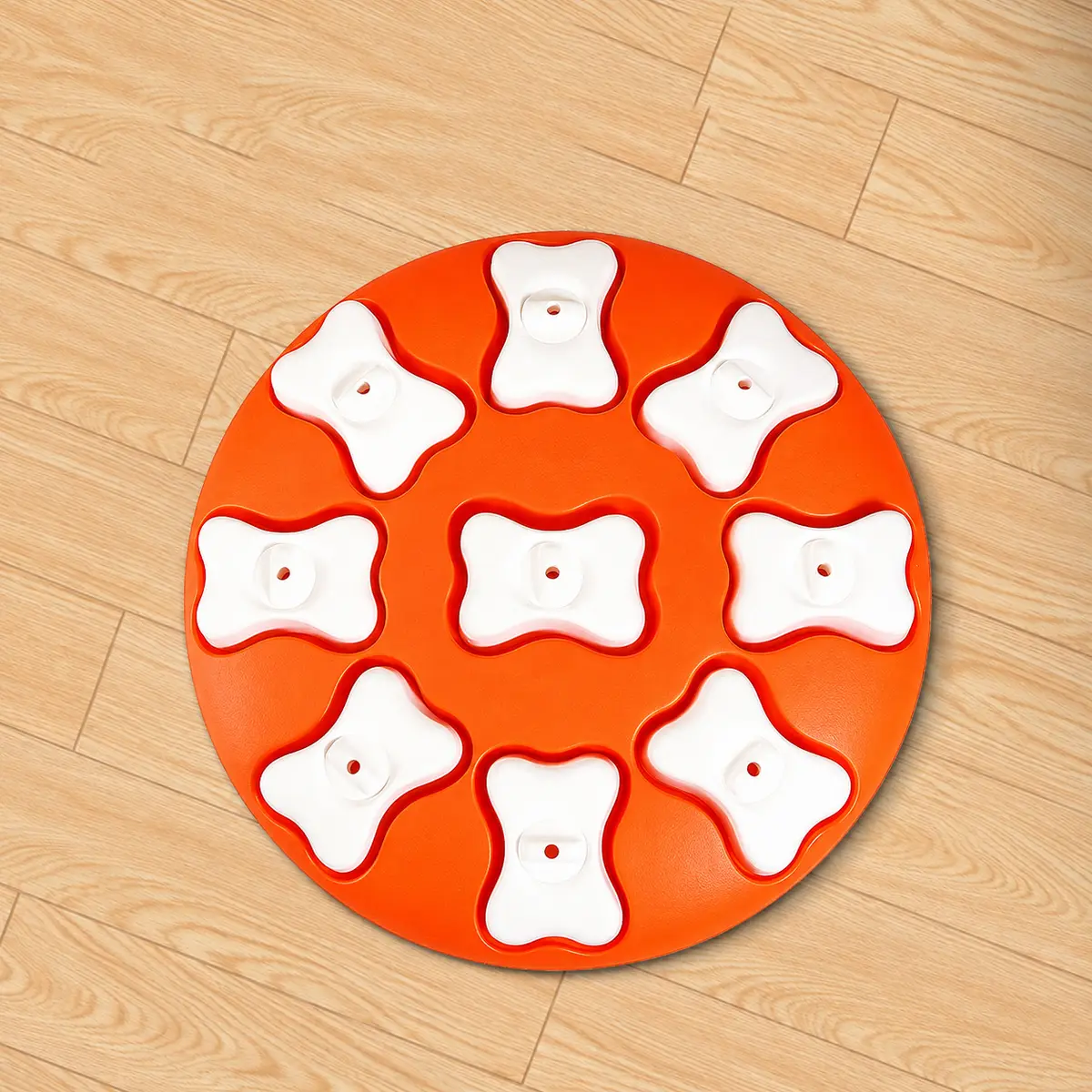
Spreading a few safe pieces across a snuffle mat or packing them into a puzzle toy turns a small treat into a few minutes of sniffing work.
Check sweeteners rather than trusting a low-sugar claim
VCA explains that xylitol can cause dangerous low blood sugar and liver injury in dogs. The AKC identifies it as a possible hidden ingredient in frozen desserts. Sugar-free or reduced-sugar wording therefore does not establish that a popsicle is a better choice for a dog.
For known or possible poisoning, contact your veterinarian, ASPCA Animal Poison Control at (888) 426-4435, or Pet Poison Helpline at (855) 764-7661; a fee may apply. Report the product, amount, time, dog’s weight in pounds, and symptoms. Do not decide that a small dog-sized portion creates a safe allowance for a toxic ingredient.
Keep wooden sticks out of the dog’s mouth
The AKC warns that popsicle sticks may become lodged in a dog’s mouth and create splintering or intestinal hazards. VCA describes the risks of swallowed foreign objects in dogs. Prevent access to the stick even when the frozen food itself has an identified, suitable recipe.
If a stick is missing, report whether the dog chewed it, swallowed a piece, or was only seen carrying it. Retain another matching stick or photograph if useful. Do not force a painful mouth open or try to push swallowed material through with another food; ask the veterinary team how to proceed.
Dairy and a dog’s restrictions still matter
The AKC explains that dairy can cause vomiting, diarrhea, or discomfort in some dogs. A milk-based frozen dessert therefore needs a different consideration from a familiar dairy-free recipe. A product tolerated by one animal is not a guarantee for another, especially when the dog already has dietary restrictions.
Ask before offering any new frozen extra during a prescribed diet or food trial. Explain the actual ingredients and intended use, including whether you want an occasional reward or frequent treats during hot weather. Do not use a dessert to replace a refused meal or assume freezing makes a restricted ingredient compatible with the diet.
A suitable frozen reward remains an extra
The AKC discusses dog-suitable frozen options as alternatives to uncertain human desserts. Choose an identifiable preparation that your veterinarian considers appropriate, present it without a wooden stick, and supervise. It should fit the dog’s usual eating ability rather than being offered as a hard object to bite through.
Include the reward in the total treat routine; the AKC recommends keeping treats to a small share of daily calories. Coordinate with everyone providing snacks so hot-weather treats do not multiply unnoticed. Puppies need growth-appropriate complete nutrition, so ask about their individual reward needs instead of copying the adult dog’s dessert habits.
Handle a theft as an ingredient and object assessment
After access to a popsicle, check both the wrapper and the stick, remove the remaining food, and save the label. Call about concerning or uncertain ingredients and report digestive upset, appetite change, pain, or unusual behavior. Choking, breathing difficulty, collapse, seizures, or severe distress needs urgent care. Do not induce vomiting or give human medicine unless professionally directed. Clear discarded sticks during summer gatherings.
This page is general information, not veterinary advice, and it cannot replace an examination by the vet who knows your pet.
Common questions
Are all frozen dog treats ruled out?
No. The AKC discusses suitable frozen alternatives, but the actual recipe and presentation still matter. Choose an identifiable permitted reward and supervise rather than sharing an unknown human dessert.
Can I let my dog lick a popsicle while I hold the stick?
Do not let the dog grab or chew the stick. It creates a physical hazard separate from the ingredients, and supervision does not establish that an unknown frozen product is suitable.
Is a sugar-free popsicle safer for dogs?
Not automatically. Check for xylitol and the complete recipe. Contact your veterinarian or a pet poison service about known or possible exposure rather than assuming reduced sugar means reduced risk.
What if the popsicle stick is missing after a theft?
Tell the veterinarian its size, what may have been swallowed, the timing, and symptoms. Keep the ingredient label too because swallowed objects and food contents need separate consideration.
Sources we checked
This guide is general information, not veterinary advice. If your pet is unwell or injured, contact your veterinarian.