Food safety
Can Dogs Eat Peppermint Candy? No, Check for Xylitol
No, dogs should not eat peppermint candy, and sugar-free versions containing xylitol can poison them. Pet Poison Helpline warns about this sweetener, digestive upset, and choking hazards from hard peppermint candy. If your dog has eaten some, save the package and check the full ingredients rather than assuming mint flavor is the only issue. Contact your veterinarian or poison control promptly about a possible toxic ingredient or uncertain exposure.
By Matt GarnettUpdated November 13, 20264 min read4 sources
Mint flavor does not establish a suitable treat
Pet Poison Helpline advises against peppermint candy for dogs. The question concerns a finished sweet, not merely the name of a plant or flavor. Different candies can have different ingredients, shapes, and wrappers, so the product needs to be identified before a veterinary professional can assess an accidental exposure.
Do not offer candy as a way to freshen a dog’s breath. A new or persistent breath problem should be discussed with the veterinarian rather than covered with a human sweet. For an ordinary reward, choose something already known to fit the dog’s diet instead of introducing a mint candy because it seems familiar.
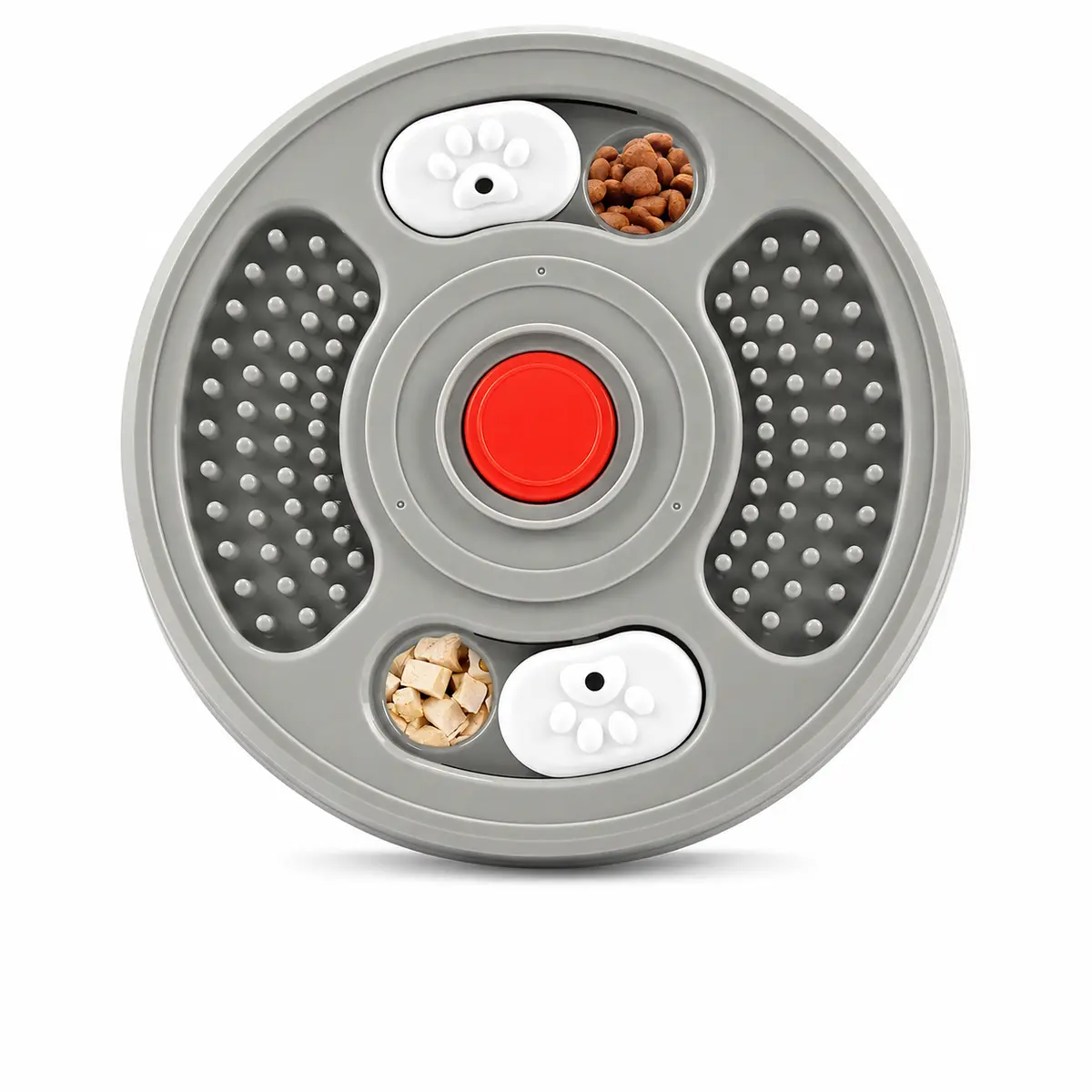
For dogs that gulp anything new, a slow feeder bowl or a lick mat keeps portions small and eating slow.
Xylitol can cause a dangerous metabolic reaction
The ASPCA explains that xylitol can stimulate insulin release in dogs and lead to dangerously low blood sugar, with liver injury also a concern. Pet Poison Helpline specifically warns that sugar-free peppermint candy may contain it. A sugar-free claim is therefore a reason for careful ingredient reading, not permission to share.
Keep the full label available if the dog has already eaten the candy. Do not decide that a certain number of pieces must be safe or compare the dog’s intake with a human serving suggestion. Call for case-specific advice about the actual product, time, and dog rather than attempting a home calculation.
Hard candy and wrapping create other risks
Pet Poison Helpline warns that hard peppermint candy and candy canes can create a choking hazard. Check whether any pieces were swallowed whole and whether wrappers are missing. VCA’s foreign-body guidance explains that swallowed objects can cause digestive obstruction, which is a separate concern from the candy’s ingredients.
Mention packaging during the veterinary call even when you believe the sweetener is ordinary sugar. Do not assume the dog removed every wrapper before eating. If the dog is struggling to breathe, collapsing, or showing severe distress, seek emergency help immediately rather than first trying to count all the missing pieces.
Call with the information from the package
Contact your veterinarian, ASPCA Animal Poison Control at (888) 426-4435, or Pet Poison Helpline at (855) 764-7661 for suspected poisoning; a fee may apply. Provide the ingredients, time, estimated amount, dog’s weight in pounds, and current symptoms. Explain whether the product was sugar-free and whether other candies were accessible.
Remove remaining access while arranging advice and keep a photograph of the label. If you cannot find the package, explain what you saw and which details are uncertain. Do not induce vomiting, give charcoal, or use a home remedy unless a veterinary professional directs you to do so.
Do not wait for weakness to justify a call
Pet Poison Helpline lists vomiting, difficulty walking, weakness, tremors, and seizures among possible xylitol-poisoning signs. Those require urgent veterinary attention, but a dog can need advice before signs appear. A known or suspected toxic ingredient should prompt a call rather than a plan to watch until the dog becomes ill.
Persistent vomiting, abdominal pain, reduced appetite, or unusual tiredness also warrants veterinary assessment after a candy or wrapper exposure. Symptoms alone cannot tell you whether the issue is a sweetener, another ingredient, or a swallowed object. Give the clinic the product history instead of diagnosing the cause from one change.
Manage Christmas candy before guests arrive
At Christmas, put peppermint bowls, candy canes, gift bags, and wrappers where the dog cannot reach them. Ask children and guests not to share sweets, and collect dropped pieces during cleanup. A known suitable reward can include the dog in the gathering without giving access to the candy people brought for each other.
This page is general information, not veterinary advice, and it cannot replace an examination by the vet who knows your pet.
Common questions
Can dogs have sugar-free peppermint candy?
Do not offer it. It may contain xylitol, which can cause dangerous low blood sugar and liver injury in dogs. Read the ingredients and call for prompt advice after a suspected exposure.
Is ordinary peppermint candy a good breath freshener for dogs?
No. Pet Poison Helpline advises against peppermint candy. Discuss persistent or unusual breath with your veterinarian rather than covering it with a human sweet, and choose an appropriate regular dog reward instead.
Why should I report a swallowed candy wrapper?
A wrapper is a separate foreign-object concern, even if the candy has no identified toxic ingredient. Tell the veterinarian what packaging is missing, the timing, and whether the dog has symptoms.
Should I wait to see if peppermint candy makes my dog ill?
Call promptly about a known or suspected toxic ingredient. Weakness, stumbling, tremors, seizures, collapse, or severe distress requires urgent care; the absence of symptoms does not replace assessment of the exposure.
Sources we checked
This guide is general information, not veterinary advice. If your pet is unwell or injured, contact your veterinarian.