Food safety
Can Dogs Eat Parsley? Curly Parsley in Small Amounts Only
Yes, in small amounts: dogs can eat a little fresh curly parsley, but it should be a sprinkle, not a salad. The American Kennel Club says curly-leaf parsley is fine while spring parsley can be toxic, and advises giving parsley very sparingly. The ASPCA lists parsley as toxic to pets because of furanocoumarins, which can make skin sensitive to sunlight, though it notes large amounts are needed for that effect. Parsley in garlic butter or pesto is a different matter. Here is how much is safe.
By Matt GarnettUpdated November 13, 20264 min read3 sources
Is parsley safe for dogs?
The ASPCA's plant database lists parsley as toxic to dogs, cats and horses. The toxic principle is furanocoumarins, and the sign it lists is photosensitization, meaning sunburn or skin inflammation, adding that large amounts are needed to cause this effect.
The AKC takes a practical view: curly-leaf parsley is OK, but spring parsley can be toxic, and because parsley is a diuretic you should give it very sparingly. Put together, a garnish-size sprinkle of curly parsley is fine for most dogs, while a bunch is not.
Curly parsley, flat-leaf parsley and spring parsley
Curly parsley, with its tightly ruffled leaves, is the variety the AKC says is OK. Flat-leaf or Italian parsley is the same species and should be treated with the same caution: a little is fine, a lot is not.
Spring parsley is a name used for a different, wild plant, and the AKC says it can be toxic. Wild plants that look like parsley can include some very dangerous species, so never let your dog graze on wild greens, and only share parsley you bought or grew yourself.
Dishes with parsley to avoid
Parsley is usually a garnish on food that is not safe for dogs. Garlic butter, gremolata, chimichurri, pesto, tabbouleh and herb sauces typically contain garlic, onion, lemon, oil or salt. The ASPCA lists garlic and onion as able to damage a dog's red blood cells.
Parsley-flavored crackers, breads and seasoning blends are also high in salt and may contain onion or garlic powder. Only offer plain, fresh parsley, washed and chopped, with nothing else on it.
How much parsley by weight
Keep parsley to a pinch of chopped fresh leaves on top of food. A guide: a few chopped leaves for dogs under 20 lb; about a teaspoon of chopped parsley for dogs of 20 to 50 lb; up to a tablespoon for dogs over 50 lb, no more than a few times a week.
Do not feed parsley daily or in large amounts, and do not give parsley oil or concentrated supplements without your vet's advice. Dogs on diuretics or with kidney or urinary conditions should have their vet's approval before you add any herbs.
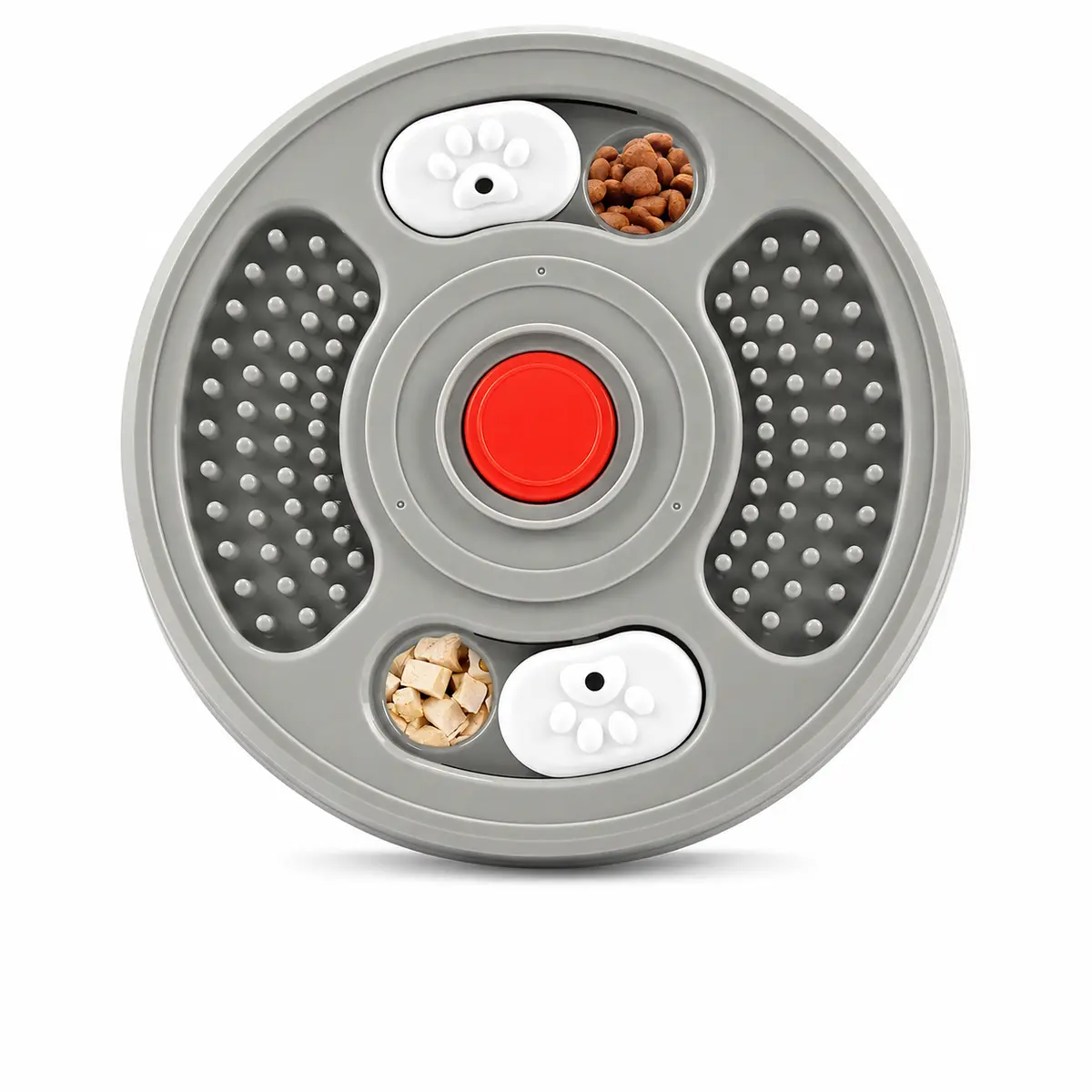
For dogs that gulp anything new, a slow feeder bowl or a lick mat keeps portions small and eating slow.
Parsley and puppies
Puppies do not need parsley. A tiny piece of a leaf will not hurt a puppy on solid food, but there is no reason to add herbs to a growing puppy's balanced diet.
Puppies often chew garden plants, so if you grow parsley, keep the bed fenced off and watch what else is growing nearby. Many garden plants are far more toxic than parsley, so call your vet if your puppy chews something you cannot identify.
Signs parsley disagreed with your dog
A dog that ate a lot of parsley may have a mild stomach upset, with vomiting or loose stool, and may urinate more often. With very large amounts, look for red, sore or crusty skin on areas with little fur after time in the sun.
Call your vet if vomiting or diarrhea repeats, your dog seems lethargic, or you notice skin redness or blistering. If your dog ate a parsley dish with garlic or onion, call your vet or ASPCA Animal Poison Control at (888) 426-4435; a fee may apply.
Fresher breath and other herbs
Parsley appears in some dog treats and dental chews, which the AKC notes can be an easier way to include it. A small sprinkle will not fix bad breath, though; persistent bad breath often comes from dental disease and is worth a vet check.
If you like to add fresh herbs to your dog's bowl, check each one before sharing. Keep chives, garlic and onion, which belong to the allium family, away from your dog entirely, in fresh, dried and powdered form.
This page is general information, not veterinary advice, and it cannot replace an examination by the vet who knows your pet.
Common questions
Is parsley toxic to dogs?
The ASPCA lists parsley as toxic because large amounts can make skin sensitive to sunlight. The AKC says curly parsley is fine in small amounts. Keep it to a small sprinkle and avoid spring parsley.
Does parsley freshen a dog's breath?
Parsley may mask breath odor briefly, but it does not treat the cause. Bad breath that lasts is often a sign of dental disease, so ask your vet to check your dog's teeth.
Can dogs eat dried parsley?
A small pinch of plain dried parsley is unlikely to cause harm, but dried herbs are more concentrated. Check seasoning blends for garlic, onion and salt, and avoid those.
Can dogs eat flat-leaf parsley?
Flat-leaf or Italian parsley is the same plant as curly parsley. Treat it the same way: a small sprinkle is fine for most dogs, but do not feed large amounts.
Can dogs eat parsley every day?
It is best not to. The AKC advises giving parsley very sparingly because it is a diuretic, and large amounts can affect the skin. A sprinkle a few times a week is plenty.
Sources we checked
This guide is general information, not veterinary advice. If your pet is unwell or injured, contact your veterinarian.