Food safety
Can Dogs Eat Papaya? Yes, Ripe Flesh Without Seeds
Yes, dogs can eat a little ripe papaya, as long as you remove the seeds and skin first. The soft orange flesh is not considered toxic to dogs and carries water, fiber and vitamins A and C, so a few small cubes make a sweet occasional treat. The seeds and the tough skin are the parts to throw away, because seeds, skins and rinds can cause choking or a blockage. Skip dried, sweetened and canned papaya.
By Matt GarnettUpdated November 13, 20264 min read3 sources
Why ripe papaya flesh is safe for dogs
Papaya flesh is not among the foods known to be toxic to dogs. It is soft, mostly water, and contains fiber and vitamins A and C, which makes it an easy fruit for most dogs to chew. Like other fruits, it is naturally sweet, so it belongs in the treat column rather than the meal.
There is less published veterinary guidance on papaya than on apples or blueberries, so the sensible approach is the one that applies to every new fruit: plain ripe flesh, small pieces, small amounts, and a short wait to see how your dog's stomach copes.
The parts of papaya to throw away
Remove the seeds. They are small, slippery and peppery, and VCA's general fruit advice is to remove seeds, pits and cores to avoid choking and gut blockages. There is no reason to feed them, and swallowing a mouthful can upset a dog's stomach.
Remove the skin too. Papaya skin is thin but tough and hard to digest, and VCA advises taking off thick peels and skins. Dried papaya is often sugared and concentrated, and canned papaya usually sits in syrup, so both are best avoided.
How to prepare papaya for your dog
Choose a ripe papaya that gives slightly when pressed, wash the outside, and cut it in half lengthwise. Scoop out every seed with a spoon, then slice the flesh away from the skin and discard the skin where your dog cannot reach it.
Cut the flesh into pieces sized for your dog: blueberry-sized dice for a 10 lb dog and half-inch cubes for a large dog. You can mash a little into their regular food, or freeze small cubes for a cool summer treat. Do not mix it into fruit salads that contain grapes.
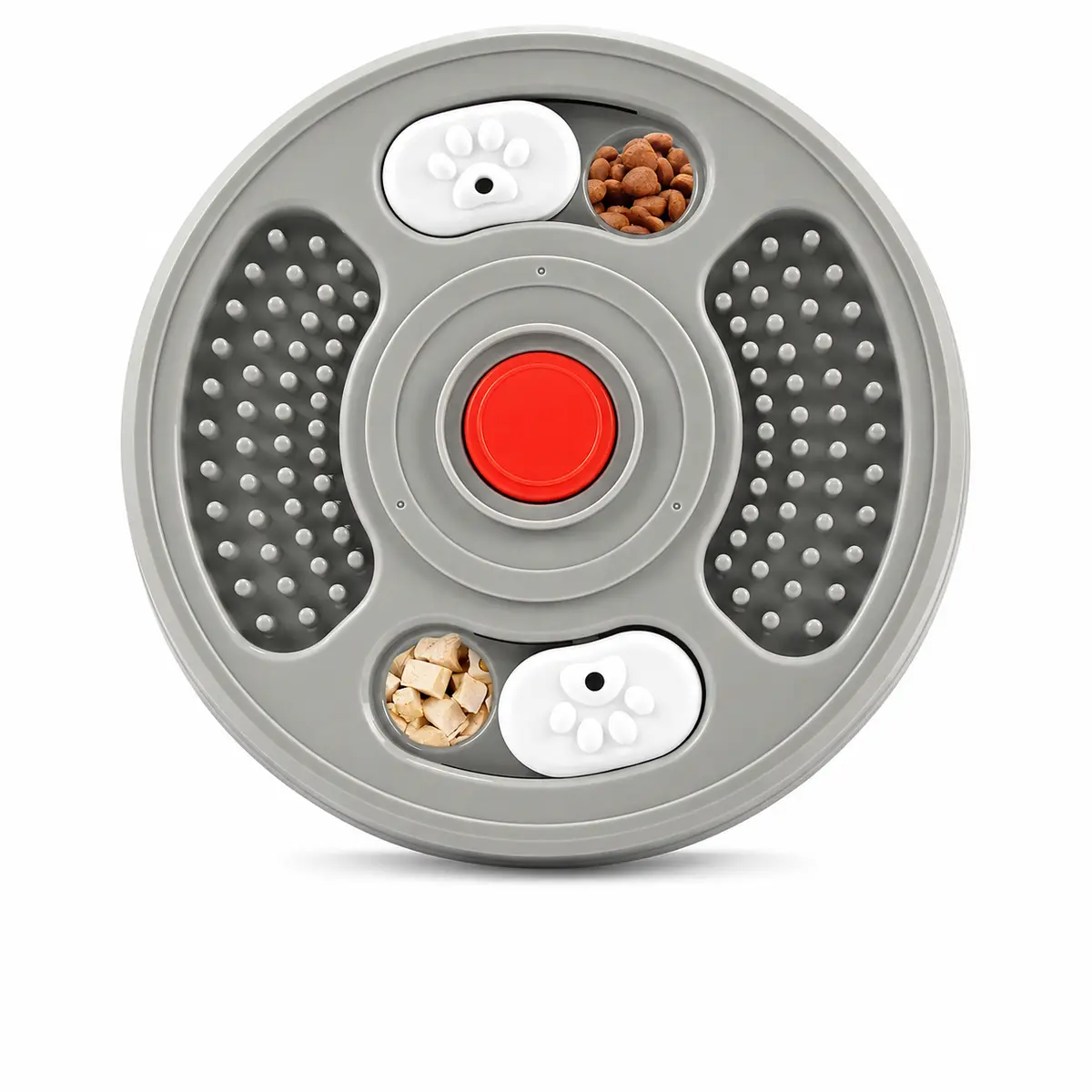
For dogs that gulp anything new, a slow feeder bowl or a lick mat keeps portions small and eating slow.
How much papaya a dog can have
Keep treats under about 10% of daily calories. A practical guide is one or two small cubes for dogs under 20 lb, three or four for dogs of 20 to 50 lb, and up to a small handful for dogs over 50 lb, a few times a week.
Start well below this the first time, because too much fiber and sugar at once commonly causes loose stools. If your dog is diabetic, overweight or on a prescription diet, ask your vet before adding sweet fruit.
Can puppies eat papaya?
A weaned puppy can try a small piece of ripe, seedless, peeled papaya, mashed or finely diced. Offer one piece and watch for soft stools or vomiting over the next day, since young puppies react easily to new foods.
Puppies need nearly all of their calories from a complete puppy food to grow well, so fruit should only ever be an occasional taste. Keep papaya halves and skins out of reach, because puppies will chew and swallow them whole.
Signs papaya disagreed with your dog, and when to call the vet
Mild upset usually shows within 6 to 24 hours as diarrhea, soft stool, gas or a single vomit, and often passes within a day once the fruit stops. VCA notes that some pets are sensitive to particular fruits, and itching or skin problems can also be a sign.
Call your vet the same day if vomiting or diarrhea continues past 24 hours or contains blood, or if your dog ate skin or a large amount of seeds and then vomits repeatedly, strains, refuses food or has a painful belly, which can signal a blockage.
Common questions
Can dogs eat papaya seeds?
It is best not to let them. Papaya seeds offer nothing your dog needs and can cause stomach upset, choking or a blockage if swallowed in quantity. Scoop them all out before sharing the flesh.
Can dogs eat papaya skin?
No. The skin is tough and hard for dogs to digest, and fruit skins can cause blockages. Cut the flesh away from the skin and throw the skin away where your dog cannot reach it.
Can dogs eat dried papaya?
It is not a good choice. Dried papaya is usually sweetened and concentrates the sugar into small pieces that are easy to overfeed. Fresh, ripe flesh in small cubes is the better option.
Can dogs eat papaya every day?
A few times a week is a more sensible limit. Papaya is sweet and fibrous, and daily fruit can add calories and loosen stools. Keep all treats under about 10% of your dog's calories.
Is papaya good for dogs' digestion?
Papaya should not be used to treat a digestive problem. If your dog has ongoing vomiting, diarrhea or constipation, see your vet rather than adding fruit.
Sources we checked
This guide is general information, not veterinary advice. If your pet is unwell or injured, contact your veterinarian.