Food safety
Can Dogs Eat Nectarines? Yes, But Never the Pit
Yes, dogs can eat ripe nectarine flesh in small amounts, but the pit can poison them and is a serious blockage risk. Nectarines are a smooth-skinned peach, and the ASPCA lists peach stems, leaves and pits as toxic because they contain cyanide compounds. The flesh, cut away from the pit, is a sweet summer treat. If your dog swallowed a nectarine pit, call your vet, ASPCA Animal Poison Control at (888) 426-4435 or Pet Poison Helpline at (855) 764-7661; a fee may apply.
By Matt GarnettUpdated November 13, 20264 min read3 sources
Why nectarine flesh is safe for dogs
A nectarine is a variety of peach with smooth skin. The AKC says peach flesh is safe in small amounts once it has been completely cut away from the pit, and VCA includes peaches among fruits pets can enjoy once pits and thick skins are removed. The flesh is mostly water with fiber and vitamins A and C.
It is also sweet and fairly high in sugar, so it is a treat rather than a regular snack. Dogs that are overweight or diabetic are better with a lower-sugar choice such as cucumber or green beans.
Warning: the pit, stems and leaves
The ASPCA lists the peach, which includes nectarines, as toxic to dogs because the stems, leaves and pits contain cyanogenic glycosides, which release cyanide, especially when wilting. Signs of cyanide poisoning include brick-red gums, dilated pupils, difficulty breathing, panting and shock.
The pit is also a mechanical danger. It is hard, rough and about the right size to lodge in a dog's throat or intestines, and a swallowed pit can cause a blockage that may need surgery. Never give a dog a whole nectarine, and keep pits out of the trash and the yard.
What to do if your dog ate a nectarine pit
Call your vet, ASPCA Animal Poison Control at (888) 426-4435 or Pet Poison Helpline at (855) 764-7661 as soon as you know, even if your dog seems fine; a consultation fee may apply. Say how big your dog is, whether the pit was whole or chewed, and when it happened.
Do not try to make your dog vomit at home unless you are told to, because a pit can get stuck on the way back up. Your vet may take X-rays to see where the pit is and decide whether it needs to be removed.
How to prepare nectarine for your dog
Wash the fruit, cut it in half around the pit, twist the halves apart and remove the pit completely, along with any fragments. Peeling is optional, but peeled fruit is gentler on a sensitive stomach. Throw the pit straight into a lidded trash can.
Cut the flesh into pieces sized for your dog: blueberry-sized dice for a 10 lb dog and half-inch cubes for a large dog. Frozen cubes make a cooling treat. Skip canned nectarines and peaches in syrup, and fruit cobblers or pies.
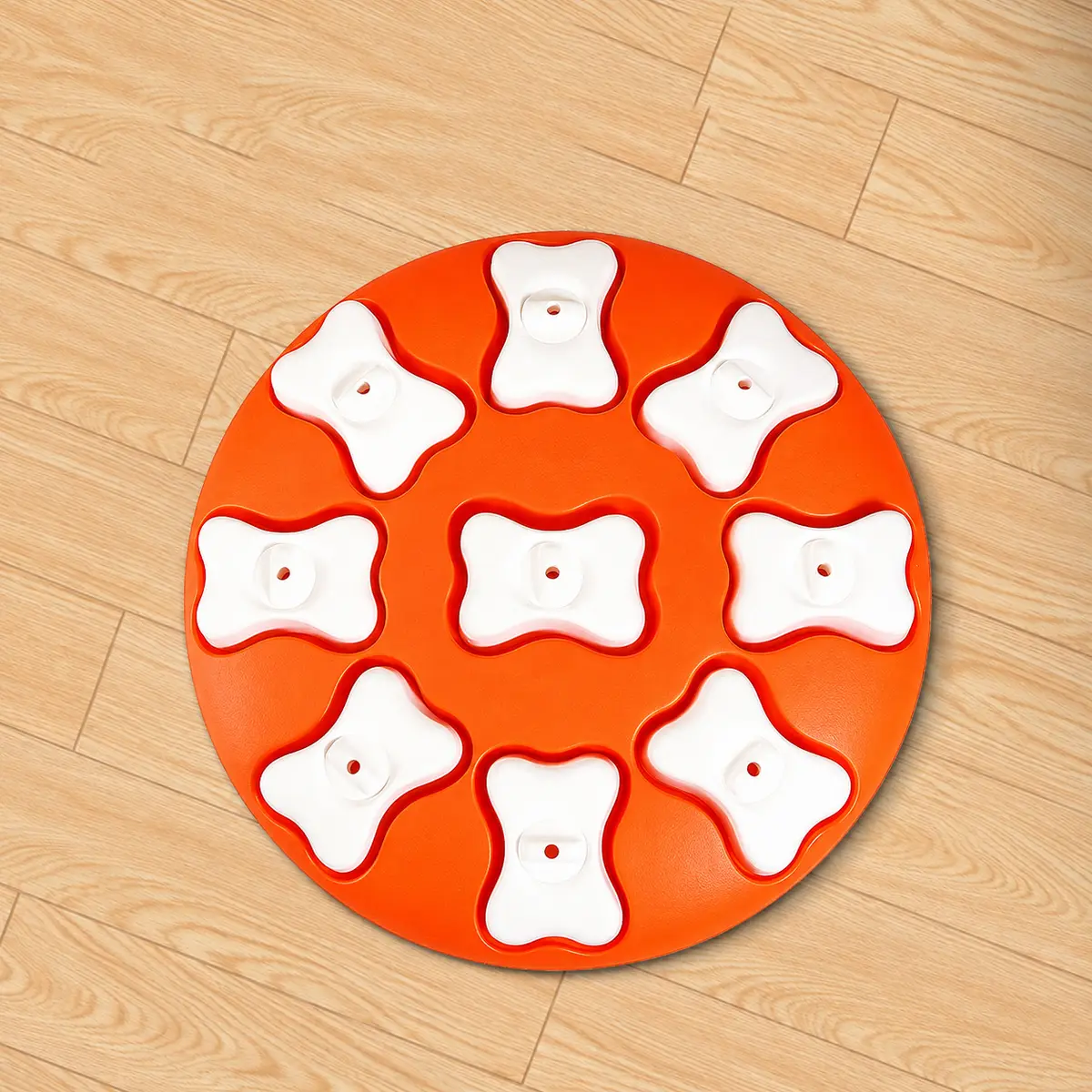
Spreading a few safe pieces across a snuffle mat or packing them into a puzzle toy turns a small treat into a few minutes of sniffing work.
How much nectarine a dog can have
Keep all treats under about 10% of daily calories. A practical guide is one or two small pieces for dogs under 20 lb, two or three slices for dogs of 20 to 50 lb, and up to a quarter of a nectarine for dogs over 50 lb, a few times a week.
Start with less the first time. Too much stone fruit at once commonly causes loose stools because of the fiber and sugar. Ask your vet before sharing sweet fruit with a diabetic dog.
Can puppies eat nectarines?
A weaned puppy can try a small piece of ripe, peeled nectarine flesh with no pit fragments, mashed or finely diced. Offer one piece and watch for loose stools over the next day.
Puppies are especially likely to pick up fallen fruit and chew pits in the yard in summer. A pit is a bigger blockage risk in a small puppy, so call your vet straight away if you think one was swallowed.
Signs nectarine disagreed with your dog, and when to call the vet
Mild upset from the flesh usually shows within 6 to 24 hours as diarrhea, gas or a single vomit, and passes within a day. A swallowed pit can cause signs over one to three days: repeated vomiting, straining with little stool, a painful belly, lethargy and refusing food.
Call your vet the same day for repeated vomiting, a painful belly, or no stool for more than a day after a pit may have been eaten. Brick-red gums, dilated pupils, panting or labored breathing are an emergency and need to be seen immediately.
Other summer fruits without the pit problem
Blueberries, seedless watermelon without the rind, strawberries with the tops removed, and cantaloupe without the rind or seeds give dogs a sweet summer treat with no pit to worry about. All of them follow the same rules of small pieces and small amounts.
Treat cherries, plums, apricots and peaches exactly like nectarines, and never share grapes or raisins. If you are unsure about a fruit, ask your vet first.
This page is general information, not veterinary advice, and it cannot replace an examination by the vet who knows your pet.
Common questions
Can dogs eat nectarine skin?
Yes, washed nectarine skin is not toxic. It is a little harder to digest than the flesh, so peel the fruit for small dogs and dogs with sensitive stomachs.
What happens if a dog eats a nectarine pit?
A pit can cause choking or an intestinal blockage, and it contains cyanide compounds that are released if it is chewed. Call your vet or a poison helpline straight away, even if your dog seems fine.
Can dogs eat peaches?
Yes, with the same rules: ripe flesh only, completely cut away from the pit, in small amounts. The pit, stems and leaves of the peach tree are toxic to dogs.
Can dogs eat canned nectarines?
It is best not to share them. Canned stone fruit usually sits in sugary syrup that adds calories your dog does not need. Fresh, ripe flesh cut from the pit is the better option.
Can dogs eat nectarines every day?
A few times a week is a more sensible limit. Nectarines are sweet, and daily fruit adds calories and can loosen stools. Keep treats under about 10% of your dog's calories.
Sources we checked
This guide is general information, not veterinary advice. If your pet is unwell or injured, contact your veterinarian.