Food safety
Can Dogs Eat Limes? No — The Peel and Plant Are Toxic
No, dogs should not eat limes: the ASPCA lists the lime as toxic to dogs, because the peel, seeds and plant contain essential oils and psoralens that can cause vomiting, diarrhea and depression. The flesh is very sour, so most dogs refuse it. If your dog chewed a whole lime, the peel or the plant, call your vet, the ASPCA Animal Poison Control Center at (888) 426-4435 or Pet Poison Helpline at (855) 764-7661. A fee may apply.
By Matt GarnettUpdated November 13, 20264 min read3 sources
Why limes are a problem for dogs
The ASPCA's entry for lime, Citrus aurantifolia, lists it as toxic to dogs and cats, naming essential oils and psoralens as the toxic principles. The page notes that the fruit flesh is edible, but that the skins and plant material can cause problems.
The ASPCA's people-food guidance adds that citrus stems, leaves, peels, fruit and seeds contain citric acid and essential oils in varying amounts, and that small ingestions such as eating the fruit are unlikely to cause more than minor stomach upset. The more peel and plant, the more risk.
Peel, essential oils and the sun
Most of a lime's oil is in the peel, which is why chewing a whole lime is more likely to cause trouble than a lick of juice. Signs the ASPCA lists include vomiting, diarrhea, depression and potential dermatitis.
The dermatitis the ASPCA mentions is skin irritation, which can show up on the lips, muzzle or paws where juice or peel has touched. Lime essential oil, lime-scented cleaners and potpourri are far more concentrated than the fruit and should be kept well away from dogs.
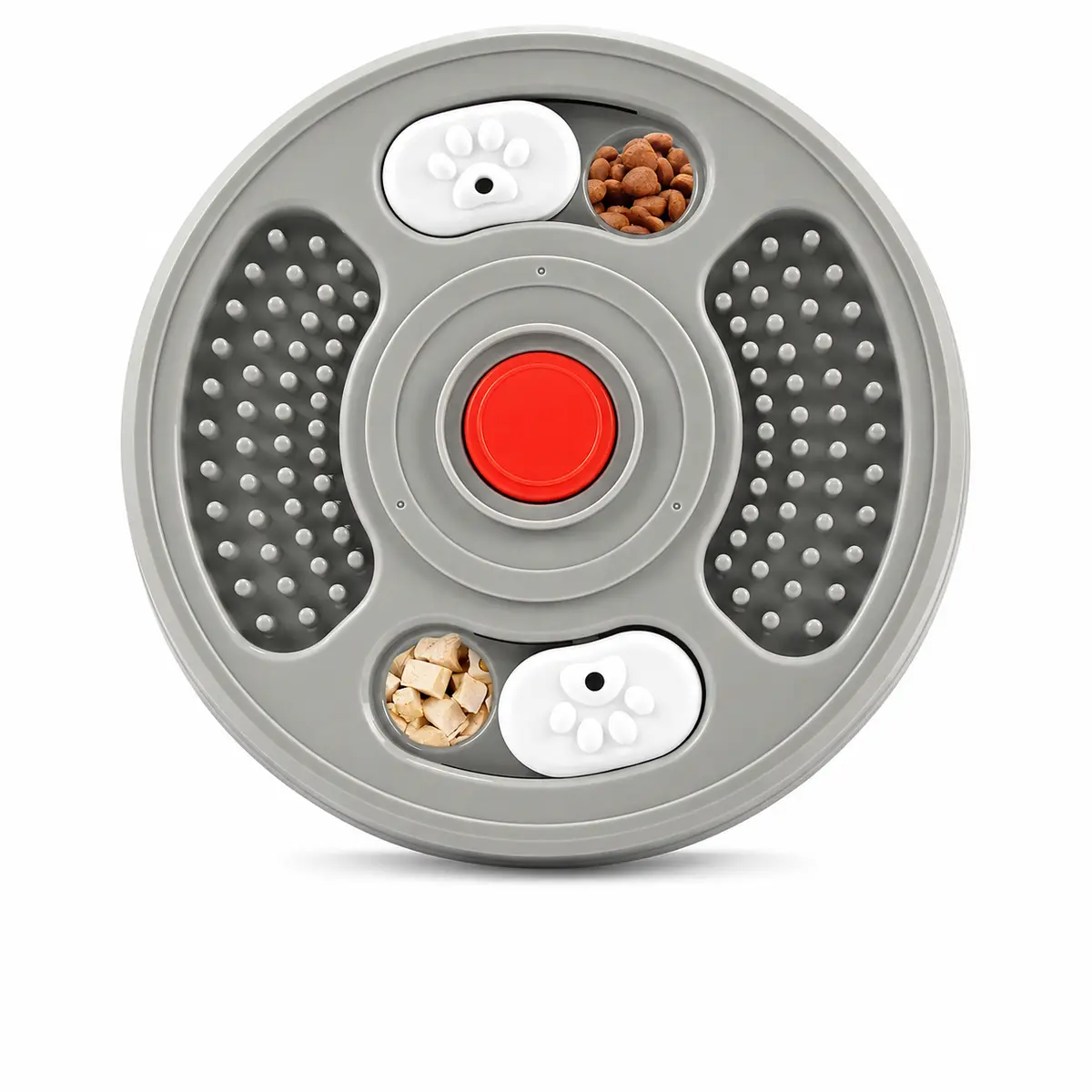
For dogs that gulp anything new, a slow feeder bowl or a lick mat keeps portions small and eating slow.
My dog ate a lime: what to do
If your dog licked lime juice or a wedge, offer fresh water and watch for drooling or a mild upset over the next few hours. Most dogs dislike the taste and stop on their own.
Call your vet or a poison line if your dog ate a whole lime, chewed a lot of peel, ate parts of a lime tree, or got into lime essential oil. A whole small lime can also be a choking or blockage risk for a small dog. Do not make your dog vomit unless told to.
Is any amount of lime okay?
There is no serving to recommend. Limes have no benefit for dogs, and the parts most likely to be eaten, the peel and the whole fruit, are the parts that carry the risk. Do not add lime juice to your dog's food or water.
Dishes made with lime, such as guacamole, salsa, ceviche and margarita mixes, also bring onion, garlic, avocado, chili, salt or alcohol, which are dangerous to dogs in their own right. Keep party snacks and drinks out of reach.
Puppies and limes
Puppies chew anything that rolls, and a lime is the right size to become a toy. Their smaller bodies mean the same amount of peel has a bigger effect, and a whole small lime can lodge in a puppy's throat.
Keep fruit bowls, cocktail garnishes and potted citrus trees out of a puppy's reach. If a puppy has chewed a lime, call your vet for advice rather than waiting for signs.
Signs to watch for and when to call a vet
After eating lime peel or plant material, signs usually appear within a few hours and may include drooling, vomiting, diarrhea, lethargy and low mood. Some dogs develop red, irritated skin where juice touched.
Get your dog seen the same day for repeated vomiting, diarrhea lasting beyond a day, unusual weakness or lethargy, or if your dog got into concentrated lime oil. Go immediately for trouble breathing, wobbliness or collapse, and tell the vet how much was eaten.
Fruit dogs can enjoy instead
The AKC lists oranges as safe when only the flesh is given, without peel or seeds, so a segment of orange is a gentler citrus option for dogs that like it. Apples without the core, blueberries, bananas and watermelon without rind are other safe choices.
For a refreshing summer treat, frozen watermelon cubes or a few blueberries work far better than anything sour.
This page is general information, not veterinary advice, and it cannot replace an examination by the vet who knows your pet.
Common questions
Can dogs have lime juice?
A lick of lime juice is unlikely to harm a dog, though it is very sour and acidic. Do not add it to food or water. The peel and plant carry most of the risk, not a drop of juice.
Is lime peel toxic to dogs?
Yes. The ASPCA names essential oils and psoralens as the toxic principles in lime, and these are concentrated in the peel. Call your vet if your dog ate a lot of peel.
Can dogs eat lemons and limes?
Both are citrus with similar oils in the peel and plant. Neither is a good treat for dogs. A segment of orange flesh without peel or seeds is a safer citrus choice.
Can dogs eat key lime pie?
No. Key lime pie is very sugary and buttery, and some recipes use condensed milk and graham cracker crusts with added fat. A lick is unlikely to hurt, but avoid sharing a slice.
Is lime essential oil safe around dogs?
Concentrated citrus oils can irritate skin and upset the stomach if licked. Keep lime oil, cleaners and potpourri away from dogs, and never apply essential oils to your dog.
Sources we checked
This guide is general information, not veterinary advice. If your pet is unwell or injured, contact your veterinarian.