Food safety
Can Dogs Eat Kale? Only a Little, and Not Often
Dogs can eat a small amount of kale occasionally, but it is not a good regular treat. The AKC notes that kale contains calcium oxalate, which can contribute to bladder and kidney stones, and isothiocyanates, which can irritate the stomach. A leaf or two mixed into a meal is unlikely to harm most healthy dogs. Dogs prone to stones, dogs with thyroid disease and dogs with sensitive stomachs should skip it.
By Matt GarnettUpdated November 13, 20264 min read3 sources
Why kale is a qualified yes, not a full yes
Kale is not toxic in the way grapes or onions are, and it carries fiber, vitamin K and vitamin C. The trouble is that it also concentrates several natural plant compounds. The AKC explains that some vets advise against kale for dogs for this reason, even though a small occasional amount rarely causes problems.
Calcium oxalate binds calcium and can add to the minerals that form stones in the bladder and kidneys. Isothiocyanates, also found in broccoli, can irritate the stomach from mildly to more severely. The AKC adds that regular feeding of these vegetables may affect thyroid function. None of that matters much in a single leaf, but it adds up.
The warning: stones, thyroid and kale chips
Dogs that have had calcium oxalate bladder stones, and breeds prone to them such as Miniature Schnauzers, Yorkshire Terriers, Shih Tzus and Bichons, should not have kale. The AKC advises watching for difficulty peeing or a change in urination after kale, and calling your vet if you see either.
Store-bought kale chips are often seasoned with salt, garlic or onion powder, cheese or chili, and baked in oil. Kale salads come with dressings, nuts and sometimes raisins. Onion and garlic damage a dog's red blood cells and raisins can cause kidney failure, so keep prepared kale dishes away from your dog.
How to serve kale if you choose to
Wash the leaves well, strip them off the tough central stem, and chop them finely. Lightly steaming kale softens it and makes it easier to digest, and many owners find it causes less gas cooked than raw. Serve it plain, with no oil, butter, salt or seasoning.
Mix a small amount into your dog's regular food rather than offering a pile on its own. Do not add kale powder or green supplements to your dog's diet unless your vet suggests it, since concentrated forms carry more of the compounds that cause concern.
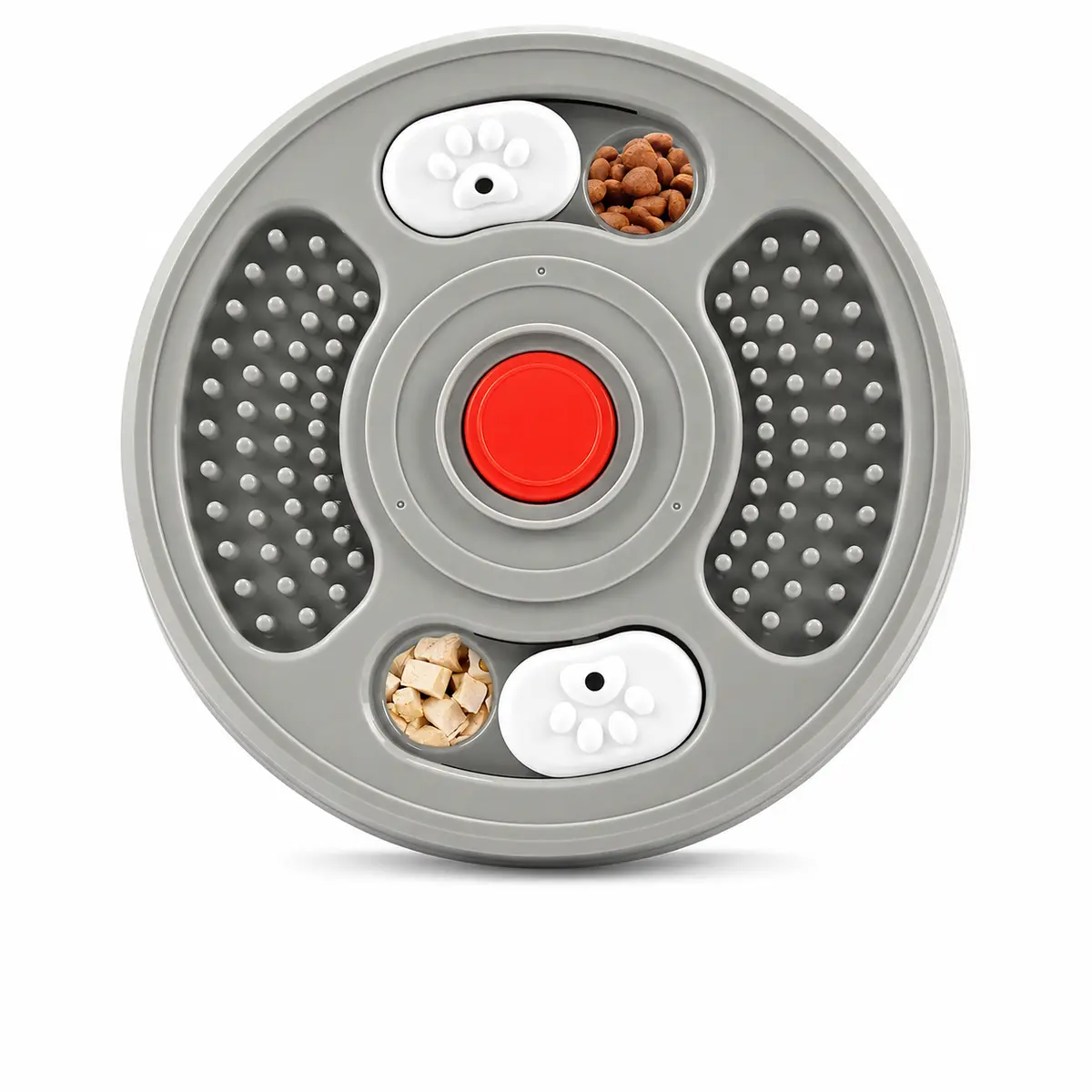
For dogs that gulp anything new, a slow feeder bowl or a lick mat keeps portions small and eating slow.
How much kale by dog weight
The AKC notes that a larger dog can tolerate more than a toy breed, but it gives no amount that is right for every dog. As a cautious guide, for a dog under 20 lb, a teaspoon of chopped, cooked kale is plenty. For a dog of 20 to 50 lb, a tablespoon is enough.
For a dog over 50 lb, up to two tablespoons is a sensible top end. Keep it occasional, once a week or less, rather than a daily habit, and count it inside the roughly 10 percent of calories that treats and extras should make up.
Puppies and dogs that should skip kale
Puppies do not need kale, and their stomachs upset easily, so it is best left out of their diet. A complete puppy food covers everything they need to grow. If a puppy grabs a leaf from the counter, there is no need to worry; just do not make it a treat.
Skip kale altogether for dogs with a history of bladder or kidney stones, dogs with kidney disease, dogs with hypothyroidism, especially those on thyroid medication, and dogs with sensitive stomachs or inflammatory bowel disease. The AKC suggests checking with your vet before sharing table scraps with a dog on medication.
Signs it disagreed with them, and greener alternatives
Watch for vomiting, diarrhea or gas within a day of eating kale, and for straining to pee, frequent small pees, blood in the urine or accidents in the house over the following days. Any trouble peeing, especially in a male dog, should be seen by a vet the same day.
The AKC suggests green beans and cucumbers as safer green options. Both are low in calories, easy to prepare and far less likely to cause problems, so they make better everyday vegetable treats than kale.
This page is general information, not veterinary advice, and it cannot replace an examination by the vet who knows your pet.
Common questions
Is kale toxic to dogs?
Kale is not toxic the way grapes or onions are, but it contains calcium oxalate and isothiocyanates that can cause stomach upset and contribute to bladder stones. Small, occasional amounts are usually fine for healthy dogs.
Can dogs eat raw kale?
Raw kale is tougher and more likely to cause gas and stomach upset than cooked kale. If you share it, chop it finely and lightly steam it, and keep the amount small.
Can dogs eat kale chips?
It is best not to. Most kale chips are seasoned with salt, garlic or onion powder, cheese or spices and baked in oil. Plain steamed kale in a tiny amount is the only way to share it.
Can kale cause bladder stones in dogs?
Kale contains calcium oxalate, which can contribute to calcium oxalate stones in dogs that are prone to them. Dogs with a history of stones, or breeds at higher risk, should not eat kale.
What greens are better for dogs than kale?
Green beans, cucumber, plain lettuce and zucchini are gentler options. They are low in calories and do not carry the same compounds that make kale a concern for some dogs.
Sources we checked
This guide is general information, not veterinary advice. If your pet is unwell or injured, contact your veterinarian.