Food safety
Can Dogs Eat Jelly Beans? No, Check Caffeine and Xylitol
No, dogs should not eat jelly beans, and varieties containing caffeine or xylitol can poison them. Pet Poison Helpline warns that ordinary jelly beans are mostly sugar and can cause stomach upset, while energy and sugar-free versions need particular ingredient checks. Save the bag if your dog gets into them. The recipe, amount, timing, and any swallowed packaging matter more than the candy’s color or how eagerly the dog ate it.
By Matt GarnettUpdated November 13, 20264 min read4 sources
Ordinary candy is still an unsuitable reward
Pet Poison Helpline specifically advises against giving dogs jelly beans. It distinguishes the stomach-upset concern from ordinary sugary candy from the toxic concerns created by particular ingredients. This avoids two mistakes: calling every standard jelly bean equally poisonous, or assuming a product without chocolate is an appropriate dog treat.
Choose a familiar reward intended to fit the dog’s diet instead. A dog does not need to share the same candy that people are enjoying to be included in a gathering. Keep the bag closed and out of reach rather than offering a few pieces because the dog is watching the snack bowl.
Energy jelly beans can contain caffeine
Pet Poison Helpline notes that some energy or sports jelly beans contain caffeine. Its caffeine guidance explains that dogs are more sensitive than people and can develop effects involving activity, digestion, the heart, and nervous system. A product designed to be eaten during human exercise is not an appropriate canine energy snack.
Read the label even if the pieces resemble ordinary candy. Keep energy products separate from other snacks and explain the distinction to anyone who may feed the dog. If the dog has already eaten them, provide the product details to the veterinarian rather than describing them simply as a handful of sweets.
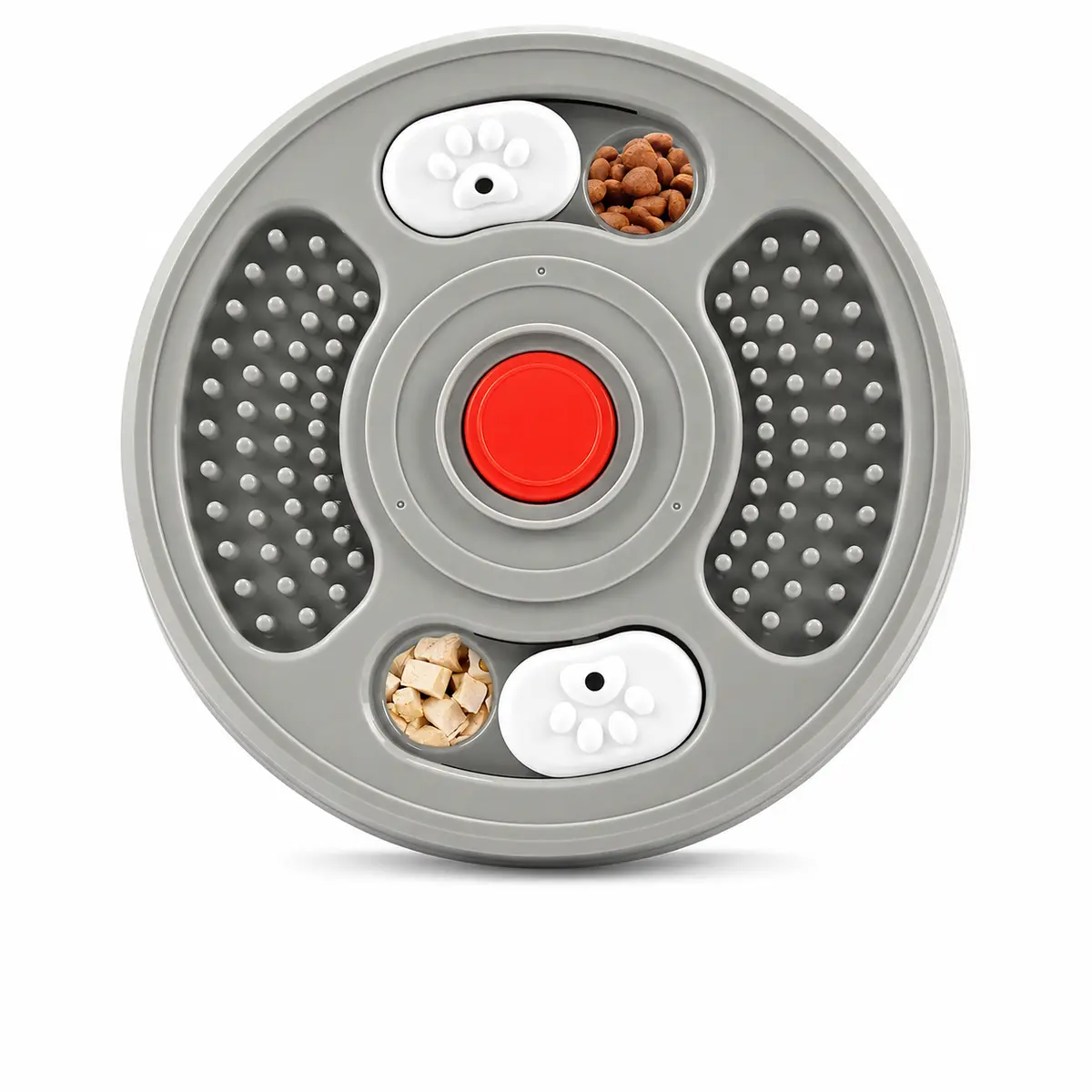
For dogs that gulp anything new, a slow feeder bowl or a lick mat keeps portions small and eating slow.
Check sugar-free varieties for xylitol
The ASPCA warns that xylitol can cause dangerous low blood sugar in dogs and may also injure the liver. Pet Poison Helpline specifically recommends checking sugar-free jelly beans for this ingredient. Do not assume removing sugar makes a candy appropriate or safer for a pet.
If xylitol appears on the label or the contents are uncertain, call for advice promptly. Do not use a human portion size as a safe amount, and do not wait for weakness before seeking help. Take a clear photograph of the ingredients so you can read the details accurately during the conversation.
Account for packaging and holiday decorations
Pet Poison Helpline warns that candy wrappers can cause choking or digestive obstruction. At Easter, it also cautions about access to candy, plastic eggs, and basket materials. Check what is missing as well as what remains in the bowl, and tell the clinic about any packaging or objects the dog could have swallowed.
Do not try to resolve an uncertain object exposure by offering another food. Keep the dog away from the remaining basket or bag while arranging veterinary advice. A missing wrapper needs to be mentioned even if the candy itself has no identified toxic ingredient, because those are separate concerns.
Call with the label and timing
Contact your veterinarian, ASPCA Animal Poison Control at (888) 426-4435, or Pet Poison Helpline at (855) 764-7661 for suspected poisoning; a fee may apply. Give the product, time, estimated amount, dog’s weight in pounds, and current symptoms. Explain any uncertainty and whether other candies were mixed with the jelly beans.
Do not induce vomiting or give a home remedy unless a veterinary professional directs you. Vomiting, diarrhea, pain, poor appetite, or low energy warrants advice. Weakness, stumbling, tremors, seizures, collapse, or severe distress requires urgent veterinary care. A dog that appears normal after a concerning exposure may still need assessment.
Plan an Easter hunt with the dog’s access in mind
Pet Poison Helpline recommends keeping pets away from areas containing Easter treats. Count and collect candy-filled eggs, secure baskets after the hunt, and clear wrappers before allowing the dog into the space. Give children a known suitable dog reward separately and explain that jelly beans stay with the people who were given them.
This page is general information, not veterinary advice, and it cannot replace an examination by the vet who knows your pet.
Common questions
Are ordinary jelly beans poisonous to dogs?
Standard sugary jelly beans primarily raise digestive concerns, but recipes differ. Pet Poison Helpline still advises against them and warns that energy or sugar-free varieties may contain toxic ingredients.
Can energy jelly beans be given to an active dog?
No. Some contain caffeine, which can poison dogs. Keep the label and call your veterinarian or poison control after exposure rather than treating a human sports product as canine nutrition.
What if my dog ate sugar-free jelly beans?
Check the ingredients for xylitol and contact your veterinarian or poison control promptly if it is listed or suspected. Do not calculate a safe amount or wait for symptoms before seeking advice.
Why should I mention wrappers after a candy exposure?
Pet Poison Helpline warns that swallowed wrappers can create choking or obstruction concerns. Tell the veterinary professional what packaging is missing even when you have not identified a toxic candy ingredient.
Sources we checked
This guide is general information, not veterinary advice. If your pet is unwell or injured, contact your veterinarian.