Food safety
Can Dogs Eat Ice Cream? No — Dairy, Sugar and Xylitol
No, dogs should not eat ice cream, and some flavors can poison them: sugar-free ice cream may contain xylitol, chocolate is toxic, and some mix-ins such as macadamia nuts and raisins are dangerous too. If your dog ate one of those, call your vet, ASPCA Animal Poison Control at (888) 426-4435 or Pet Poison Helpline at (855) 764-7661; a fee may apply. Even plain vanilla carries lactose, sugar and fat that upset many dogs.
By Matt GarnettUpdated November 13, 20264 min read3 sources
Why ice cream is bad for dogs
Most adult dogs make much less lactase, the enzyme that breaks down milk sugar, than they did as puppies. The AKC explains that many are lactose intolerant, so dairy often causes diarrhea, vomiting, stomach pain or gas. The ASPCA makes the same point about milk products in general.
Ice cream is also high in sugar and fat. The sugar adds calories that lead to weight gain, and the AKC notes that high-fat dairy can bring on pancreatitis, an inflamed pancreas that can be serious. For a small dog, a single scoop is a very large dose of all three.
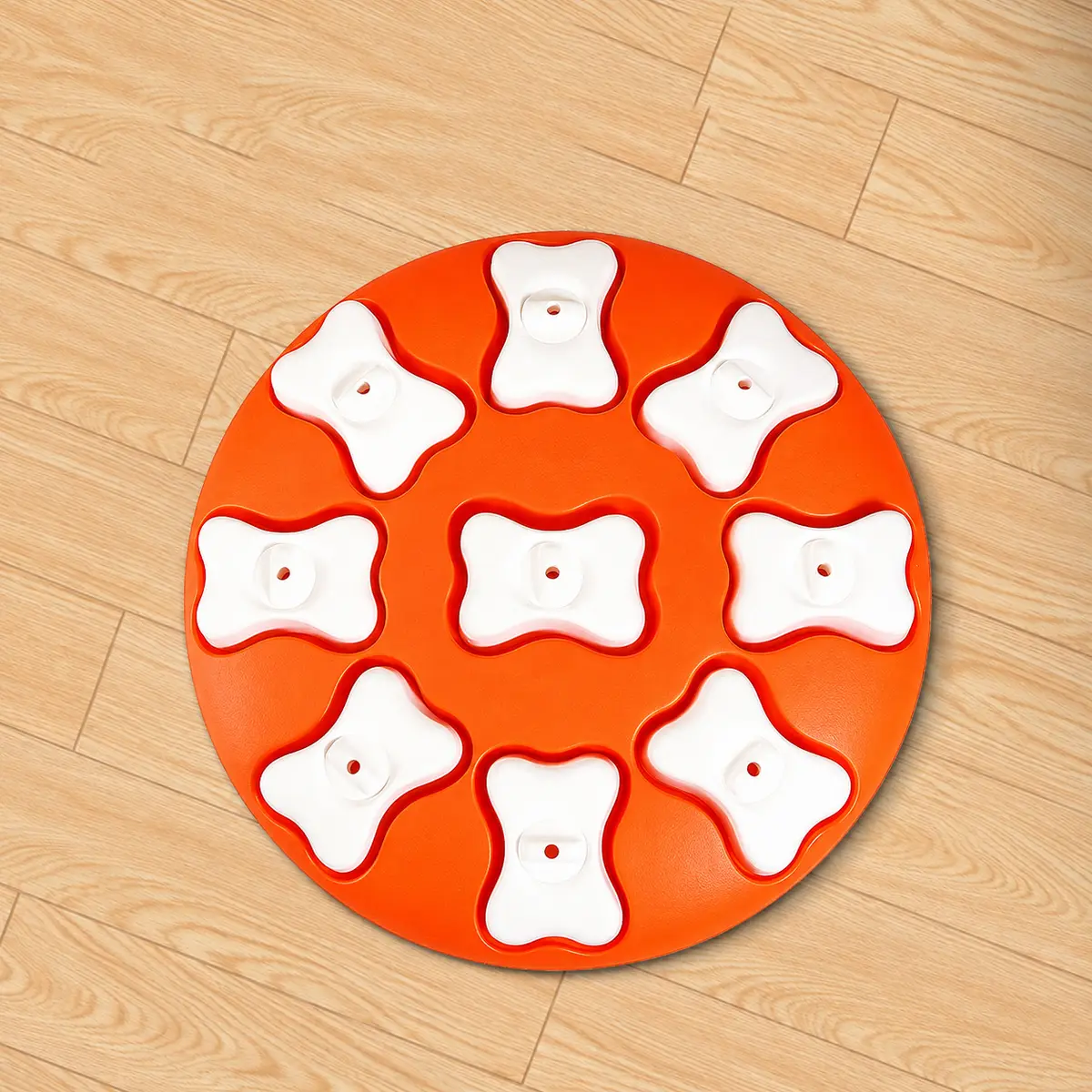
Spreading a few safe pieces across a snuffle mat or packing them into a puzzle toy turns a small treat into a few minutes of sniffing work.
Flavors that can poison dogs
Xylitol is the biggest hidden danger. It is a sweetener used in some sugar-free and low-sugar products, and Pet Poison Helpline warns that it can cause a life-threatening drop in blood sugar within 10 to 15 minutes, and liver failure. Check the label of any sugar-free or keto ice cream.
Chocolate and coffee flavors are toxic to dogs, rum raisin contains raisins, and some mix-ins include macadamia nuts. If your dog ate any of these, phone your vet or a poison line straight away with the carton in hand, so they can see the ingredients and how much was eaten.
What to do if your dog ate ice cream
If it was a lick or a small amount of plain vanilla, strawberry or another flavor without xylitol, chocolate, coffee, raisins or nuts, you usually only need to watch for stomach upset over the next day. Keep water available and skip treats.
If your dog ate a lot, ate a dangerous flavor, or ate a product you cannot identify, call your vet, ASPCA Animal Poison Control at (888) 426-4435 or Pet Poison Helpline at (855) 764-7661. Do not wait for signs with xylitol or chocolate, and do not make your dog vomit unless told to.
Signs to watch for
Lactose intolerance and too much fat usually cause diarrhea, gas, vomiting or a gurgling belly within a few hours to a day. Those signs usually settle once the ice cream is out of the system.
Get your dog seen by a vet straight away if you notice weakness, wobbliness, trembling, collapse or a seizure, which can follow xylitol; restlessness, a racing heart, vomiting and tremors, which can follow chocolate; or repeated vomiting and a painful, hunched belly, which can point to pancreatitis.
Puppies and ice cream
Puppies digest milk better than adult dogs, but ice cream is still sugary and fatty and not suitable for them. Their small size means a xylitol or chocolate flavor is even more dangerous, so keep cones and bowls well out of reach.
If you want a cold treat for a teething puppy, a frozen piece of plain puppy-safe food or a chilled teething toy is a safer choice. Ask your vet if you are unsure what suits your puppy.
Ice cream trucks, cones and summer parties
Summer is when most dogs get ice cream, from a dropped cone at a park to a cup at a backyard party. Waffle cones are sugary and can contain chocolate coating, and sprinkles add sugar and dyes. Ask guests and children not to share, and pick up dropped cones quickly.
Frozen custard, gelato and milkshakes follow the same rules as ice cream: lactose, sugar and fat, with the same risk from chocolate and xylitol. Sorbet is dairy-free but very sugary, and may also contain xylitol.
Dog-safe frozen treats
The AKC suggests a few alternatives. Plain, unsweetened, fat-free yogurt frozen in small portions has less lactose, though some dogs still do not tolerate it. Blended frozen banana, often called nice cream, is another option, given in moderation because of the sugar. Ice creams made specifically for dogs are sold in many grocery stores.
Frozen cubes of seedless watermelon, blueberries or plain pumpkin puree in an ice-cube tray are also easy to make. Check any yogurt or peanut butter you use for xylitol before mixing.
This page is general information, not veterinary advice, and it cannot replace an examination by the vet who knows your pet.
Common questions
Can dogs eat vanilla ice cream?
A lick of plain vanilla is not toxic, but it carries lactose, sugar and fat that upset many dogs. Check that it contains no xylitol. A dog-specific frozen treat is a better choice.
Can dogs eat Dairy Queen ice cream?
Soft-serve has the same lactose, sugar and fat as other ice cream, and blended treats often contain candy or chocolate. A plain lick is unlikely to cause harm, but it should not be a regular treat.
Can dogs eat strawberry ice cream?
Strawberries are safe for dogs, but strawberry ice cream still carries lactose, sugar and fat. Fresh strawberries cut into pieces, or frozen, give your dog the flavor without the dairy.
Can dogs eat sugar-free ice cream?
Sugar-free ice cream is the most dangerous kind for dogs because it may contain xylitol. If your dog ate some, check the label and call your vet or Pet Poison Helpline at (855) 764-7661 straight away; a fee may apply.
Can dogs eat frozen yogurt?
Plain, unsweetened yogurt frozen at home is a reasonable treat for many dogs. Commercial frozen yogurt is usually high in sugar, and some versions contain xylitol or chocolate toppings, so skip it.
Sources we checked
This guide is general information, not veterinary advice. If your pet is unwell or injured, contact your veterinarian.